-
Use Cases
-
Resources
-
Pricing
4000 BC
Fragments of a primitive loom were found at Hemudu culture sites in Yuyao, Zhejiang. Dating to about 4000 BC, they provide evidence for very early textile technology in Neolithic China.
Image source: Hemudu culture

4000 BC - 3000 BC
At a Yangshao culture site in Xia County, Shanxi, archaeologists found a silk cocoon cut in half with a sharp knife. The find dates between 4000 and 3000 BC and is evidence of early silk use.
Image source: Yangshao culture
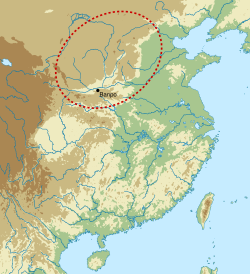
3630 BC
The earliest extant example of woven silk fabric dates to 3630 BC. It was used to wrap the body of a child, demonstrating that silk was being manufactured and employed in funerary practices at an early date.
Image source: Silk

3000 BC
Chinese writings attributed to Confucius and later traditions tell that Empress Leizu discovered silk when a silkworm cocoon fell into her teacup around 3000 BC. The story became a foundational legend of Chinese sericulture.
2700 BC
Scraps of silk were discovered at Qianshanyang, a Liangzhu culture site near Huzhou in Zhejiang. They date to about 2700 BCE and represent another early stage in the history of Chinese silk production.
Image source: Liangzhu culture

1600 BC - 1046 BC
Fragments of silk were recovered from royal tombs of the Shang dynasty, conventionally dated from about 1600 to 1046 BCE. These discoveries confirm silk's association with elite status in early China.
Image source: Shang dynasty
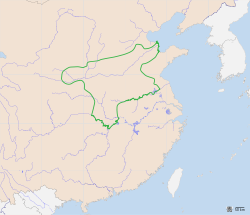
200 BC
Paper was made in many sizes and from various materials beginning in the 3rd century BC. Silk workers were making paper from silk fibers by the 2nd century BC, creating a specialized form of early paper.
Image source: Paper

200 BC
Beginning in the 2nd century BC, four-shafted looms and other innovations enabled the creation of silk brocades. These developments followed earlier advances in weaving and expanded the range and complexity of silk textiles.
100 AD - 700 AD
Although silk was known across Europe and much of Asia, China maintained a near-monopoly on production for several centuries. Imperial decrees threatened death for anyone attempting to export silkworms or their eggs.
Image source: Sericulture

1644 - 1911
Chinese peasants did not have the right to wear silk until the Qing dynasty, which lasted from 1644 to 1911. The restriction reflected silk's continuing association with social status and authority.
Image source: Qing dynasty

This History of Silk timeline was generated with the help of AI, using information found on the internet.
We work hard to keep these timelines accurate, but mistakes do get through. If you spot one, email us at [email protected] and we'll fix it for future visitors.
Generate yours with AI or build it from scratch, for free.