-
Use Cases
-
Resources
-
Pricing
The history of cakes spans thousands of years, beginning with ancient Egyptians who baked sweetened breads and evolving through Roman sweet pastries, medieval European fruitcakes, and Renaissance refinements with refined sugar. The invention of baking powder in the 19th century revolutionized cake making, leading to light sponge and layer cakes, while industrialization made cakes accessible to everyone. Today, cakes are central to celebrations worldwide, from birthday and wedding cakes to countless regional specialties. More Less
800 BC
% complete
The ancient Greeks developed 'plakous,' a flat, honey-soaked cake often layered with nuts and fruit. These cakes were offered to gods and served at celebrations, establishing the tradition of sweet cakes as festive food in Western culture.
Image source: Cake
100 BC
% complete
Romans baked 'libum,' a small cheesecake-like offering made of flour, cheese, and honey, dedicated to household gods. Roman cookbooks such as those attributed to Apicius recorded these recipes, preserving early evidence of deliberate cake-making.
Image source: Libum
1100
% complete
During the Middle Ages, European bakers began incorporating exotic spices like ginger, cinnamon, and cloves brought back from the Crusades into dense, sweetened cakes. Gingerbread became especially popular at fairs and festivals across Europe.
Image source: Gingerbread
1400
% complete
By the late medieval period, rich fruitcakes packed with dried fruits, spices, and alcohol became traditional fare for weddings, Christmas, and other major celebrations in England, a tradition that would endure for centuries.
Image source: Fruitcake
1600
% complete
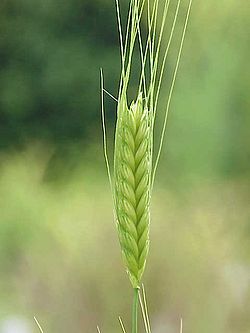
As sugar trade routes expanded through the Americas and Caribbean colonies, refined sugar became more accessible and affordable in Europe. This allowed bakers to make cakes noticeably sweeter and lighter, moving beyond honey-based recipes.
Image source: Sugar
1700
% complete
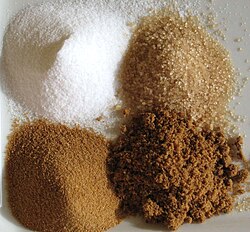
European bakers refined techniques for beating eggs by hand to incorporate air into batter, giving rise to light, airy sponge cakes. This innovation transformed cakes from dense breads into delicate desserts.
Image source: Sponge cake
1845
% complete
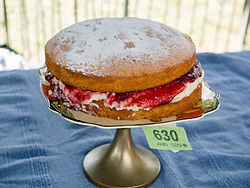
English writer Eliza Acton published her influential cookbook, which included precise measurements and reliable recipes for cakes. Her work helped standardize baking practices for home cooks and influenced later cookbook authors.
Image source: Modern Cookery for Private Families
1846
% complete
American chemists John Dwight and Austin Church began commercial production of sodium bicarbonate (baking soda), allowing bakers to leaven cakes quickly and reliably without yeast or lengthy egg-whipping.
Image source: Sodium bicarbonate
1856
% complete
English chemist Alfred Bird created a double-action rising agent combining bicarbonate of soda with cream of tartar. Baking powder revolutionized cake baking, making it faster, easier, and more consistent than ever before.
Image source: Baking powder
1947
% complete
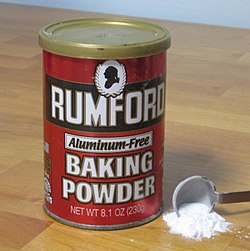
General Mills' Betty Crocker brand released its first boxed cake mixes just after World War II, transforming home baking. Just-add-water convenience brought cake baking to millions of households who had never baked from scratch.
Image source: Baking mix
1951
% complete
Pillsbury expanded convenience baking with refrigerated ready-to-use products, part of a broader postwar boom that made dessert preparation quicker and cemented packaged baking goods in American kitchens.
Image source: Pillsbury (brand)
1800
% complete
The modern birthday cake tradition, featuring decorated layer cakes topped with lit candles and the ritual of making a wish, spread from German Kinderfeste customs and became firmly established in Western culture during the 19th century.
Image source: Birthday cake
1880
% complete
Victorian-era advances in baking and sugarwork enabled elaborate multi-tiered wedding cakes supported by dowels. White icing symbolized purity, and tiered wedding cakes became a lasting centerpiece of marriage celebrations.
Image source: Wedding cake
1929
% complete
Wilton Enterprises founder Dewey McKinley Wilton began teaching cake decoration methods, and organized competitions and schools turned cake decorating into a respected professional art with specialized tools, piping techniques, and fondant work.
Image source: Cake decorating
1960
% complete
Pioneering television cooks such as Julia Child and later baking-focused programs brought professional cake techniques into living rooms, inspiring home bakers to attempt ambitious layer cakes, frostings, and decorations.
Image source: Cooking show
2000 - 2012
% complete
Specialty cupcake bakeries such as Magnolia Bakery and Sprinkles sparked a nationwide cupcake boom in the 2000s. Gourmet flavors, elaborate frostings, and boutique presentation turned the humble cupcake into a cultural phenomenon.
Image source: Cupcake
2005
% complete
Shows like Ace of Cakes, following Baltimore's Charm City Cakes, and later Cake Boss spotlighted custom cake artists on national television, elevating sculptural and novelty cakes into mainstream entertainment and inspiring a generation of decorators.
Image source: Food Network
2010
% complete
The launch of The Great British Bake Off in the UK sparked renewed interest in home baking worldwide, with signature showstopper challenges celebrating ambitious cakes and inspiring spin-offs, merchandise, and record cookbook sales.
Image source: The Great British Bake Off
2010
% complete
Growing dietary awareness led bakers to develop vegan, gluten-free, and allergen-friendly cakes using substitutes like aquafaba, almond flour, and plant-based milks, bringing inclusive cake options to mainstream bakeries and supermarkets.
Image source: Gluten-free diet
2015
% complete
Olga Noskova's photographs of glossy mirror-glazed mousse cakes went viral online around 2016, dazzling millions. The technique, popularized by Russian pastry chefs, exemplified how social media reshaped cake aesthetics and trends.
Image source: Glaze (cooking)
2018
% complete
Small, minimalist 'bento' cakes packed in takeaway boxes, popularized through Korean and Instagram culture, became a global trend. Their affordability and personalization appealed to younger consumers celebrating everyday moments with cake.
Image source: Bento
1870
% complete
Red velvet cake, with its subtle cocoa flavor and distinctive red hue originally from non-Dutched cocoa's reaction with acidic ingredients, gained popularity in the American South and became a beloved classic dessert.
Image source: Red velvet cake
1880
% complete
Angel food cake, a fat-free sponge made entirely from whipped egg whites, emerged in the United States. Specialized tube pans were developed to support its tall structure, and it became a staple of American home baking.
Image source: Angel food cake
1900
% complete
Rich, dark devil's food cake rose in popularity in the early 20th century, marketed as the decadent opposite of angel food cake. It showcased the growing availability of cocoa powder and chocolate in American baking.
Image source: Devil's food cake
1915
% complete
Confectioner Josef Keller is often credited with creating Schwarzwälder Kirschtorte in Bad Godesberg, Germany. Layering chocolate sponge, whipped cream, cherries, and kirsch, it became Germany's most famous cake export worldwide.
Image source: Black Forest gateau
Jun 3, 1957
% complete
A recipe for German's chocolate cake, featuring coconut-pecan frosting and named after Samuel German's baking chocolate, was submitted by Mrs. George Clay to The Dallas Morning News. It became wildly popular across America almost overnight.
Image source: German chocolate cake
1960 - 1970
% complete
Tiramisu, the coffee-soaked ladyfinger dessert layered with mascarpone cream, was created in the Veneto region of Italy, likely at Le Beccherie restaurant in Treviso. It went on to become one of the world's most famous Italian desserts.
Image source: Tiramisu
1960 - 1970
% complete
Spiced carrot cake topped with cream cheese frosting rose to prominence in the United States and Britain during the 1960s and 1970s. Its association with wholesome ingredients helped it ride the wave of the natural foods movement.
Image source: Carrot cake
1996
% complete
Despite its name, Boston cream pie is actually a cake: layers of sponge filled with custard and topped with chocolate glaze. Created at Boston's Parker House Hotel in the 1850s, it was officially recognized by Massachusetts in 1996.
Image source: Boston cream pie
Or browse the full history timeline directory, with more than 2,000 topics.
This History of Cakes timeline was generated with the help of AI, using information found on the internet.
We work hard to keep these timelines accurate, but mistakes do get through. If you spot one, email us at [email protected] and we'll fix it for future visitors.
Generate yours with AI or build it from scratch, for free.
Export your timeline, add your own events, edit or remove AI-generated events, and much more
No credit card required.
Cancel anytime.
Cancel anytime.
You can create an unlimited number of timelines with up to 10 events on each one, customize how they look, export them to PDF, PNG, PowerPoint, CSV, and Excel, and share them with a link. Paid plans raise the event limit and add features like spreadsheet imports and collaborators.
Yes. You can cancel your subscription from your account page at any time, and you will not be charged again. Your subscription stays active for the rest of the period you already paid for.
Yes. We will email you a reminder before the annual renewal, and we will also email you a receipt.
Yes. You can email us within 15 days of any payment, and we will issue you a full refund.
Check out our pricing docs or send us an email anytime: [email protected].