-
Use Cases
-
Resources
-
Pricing
3000 BC
By the beginning of the dynastic period, Egyptian woodworkers were producing stools, beds, chests, boats, and elaborate furniture. They used native woods such as acacia and imported cedar, and employed joinery, veneers, inlays, and decorative carving that can still be studied in well-preserved tomb objects.
Image source: Ancient furniture

2500 BC
The funerary boats built for Pharaoh Khufu around 2500 BCE demonstrate sophisticated ancient woodworking. Long planks were shaped and lashed together without conventional metal fasteners, producing large vessels capable of being disassembled, preserved, and reassembled thousands of years later.
Image source: Khufu ship

2000 BC
Mortise-and-tenon construction was used in early Chinese buildings and furniture by the second millennium BCE, and probably earlier. The system joined projecting tenons to precisely cut mortises, allowing strong structures to be assembled with little or no metal and becoming a foundation of East Asian woodworking.
100 BC
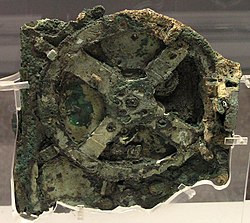
Although primarily a bronze instrument, the Antikythera mechanism was housed in a wooden case and illustrates the precision available to ancient craftspeople. Made around the late second or early first century BCE, its geared astronomical display depended on accurate case construction, labeling, and fine finishing.
Image source: Antikythera mechanism
100
During the Roman period, woodworking expanded across architecture, shipbuilding, transport, and domestic life. Roman artisans produced turned furniture, veneered cabinets, doors, coffers, and complex roof structures, while trade supplied valuable timber and encouraged specialized craft production.
600
Japanese Buddhist temple construction from the Asuka and Nara periods developed highly refined timber framing, bracket systems, roof structures, and joinery. The tradition emphasized precise hand tools, interlocking joints, and maintenance practices that allowed major wooden buildings to survive for centuries.
Image source: Japanese architecture

820
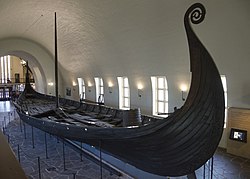
Constructed around 820, the Oseberg ship demonstrates the high level of Scandinavian woodworking and boatbuilding. Its overlapping oak planks, carved animal ornament, flexible hull, and carefully shaped timbers reflect techniques that enabled Viking maritime expansion.
Image source: Oseberg Ship
1086
The Domesday survey of 1086 documented forests, woodland, mills, and other resources across England. Its entries reveal the economic importance of timber for construction, fuel, tools, carts, ships, and forest industries in medieval society.
Image source: Domesday Book

1180
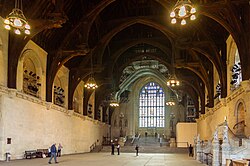
Westminster Hall's great hammer-beam roof, completed in the late twelfth century, is a landmark of medieval structural woodworking. Its vast oak timbers and innovative roof design show how carpenters solved engineering problems at monumental scale.
Image source: Westminster Hall
1200
From the thirteenth century onward, carpenters, joiners, turners, and related craftspeople formed urban guilds throughout Europe. Guild systems controlled training, apprenticeships, standards, tools, and access to markets, helping preserve techniques while distinguishing structural carpentry from fine furniture making.
Image source: Guild

This History of Woodworking timeline was generated with the help of AI, using information found on the internet.
We work hard to keep these timelines accurate, but mistakes do get through. If you spot one, email us at [email protected] and we'll fix it for future visitors.
Generate yours with AI or build it from scratch, for free.