
-
Use Cases
-
Resources
-
Pricing
The Nazca Culture was a pre-Columbian civilization that flourished along the southern coast of Peru, best known for creating the enigmatic Nazca Lines—massive geoglyphs etched into the desert—as well as for its sophisticated polychrome pottery, textile traditions, and underground aqueducts that supported agriculture in an arid environment. More Less
800 BC - 100 BC
The Paracas culture, centered in the Ica Valley of southern Peru, laid the cultural foundations for the later Nazca civilization. Known for elaborate textiles and mummification practices, the Paracas established irrigation agriculture and religious traditions that the Nazca would inherit and transform.
Image source: Paracas culture
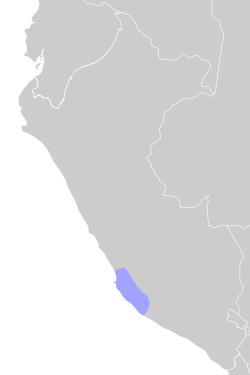
100 BC
Around 100 BC, communities in the Nazca Valley began developing a distinct cultural identity, blending Paracas traditions with local innovations. This Proto-Nazca or Early Nazca phase saw the rise of ceremonial centers such as Cahuachi and the beginnings of the polychrome pottery tradition.
Image source: Nazca culture
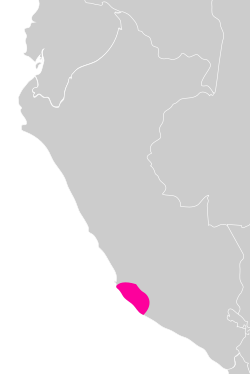
1 AD - 500 AD
Cahuachi, an adobe complex of pyramids and plazas overlooking the Nazca Valley, served as the primary pilgrimage and ceremonial center of the Nazca culture for roughly five centuries. Excavations by Giuseppe Orefici revealed offerings, decapitated burials, and evidence of large public gatherings rather than permanent urban residence.
Image source: Cahuachi

350 AD - 450 AD
Around 350–450 AD, Cahuachi was repeatedly damaged, possibly by earthquakes, flooding, and El Niño events, and was deliberately closed and buried. The loss of this ceremonial center marked a turning point, shifting power toward smaller settlements such as La Muña and Pacheco.
450 AD - 550 AD
After Cahuachi's decline, population dispersed into smaller villages across the tributary valleys of the Rio Grande system. This Middle Nazca period witnessed increased regionalism, with local elites commissioning distinctive pottery styles and continued investment in geoglyph production.
500 BC - 200 AD
The earliest geoglyphs of the Nazca Desert were created during the Paracas and early Nazca periods, beginning around 500 BC. These initial figures, often hillside reliefs depicting felines and other beings, preceded the vast line-and-trapezoid network for which the region became famous.
Image source: Nazca Lines

400 AD - 650 AD
Between roughly 400 and 650 AD, the Nazca created their most famous geoglyphs, including the Hummingbird, Spider, Monkey, and Condor. By removing reddish pebbles to expose lighter subsoil, they produced hundreds of figures and thousands of kilometers of lines visible only from the air.
This Nazca Culture timeline was generated with the help of AI, using information found on the internet.
We work hard to keep these timelines accurate, but mistakes do get through. If you spot one, email us at [email protected] and we'll fix it for future visitors.
Generate yours with AI or build it from scratch, for free.


