
-
Resources
-
Pricing
The Zoot Suit Riots were a series of racially motivated attacks in Los Angeles in June 1943, primarily targeting Mexican American youth wearing zoot suits. More Less
Build a timeline like this one in minutes, for free. Start Yours →
1821 - 1848
Following Mexican independence from Spain, California became Mexican territory for 27 years. The period established the Mexican political and cultural context that remained important to later Mexican American communities.
Image source: History of California
1846 - 1848
The Mexican–American War ended with California becoming part of the United States. This territorial change left a large Mexican-origin population living within the expanding American nation.
Image source: Mexican–American War
1848
The postwar settlement transferred California from Mexico to the United States. The change formed an important historical backdrop to later tensions involving Mexican Americans and Anglo institutions.
Image source: Treaty of Guadalupe Hidalgo
1900 - 1940
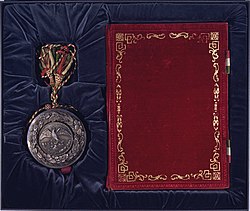
During the early twentieth century, many Mexicans immigrated to border states including Texas, Arizona, and California in search of work. Their growing communities became central to the social landscape of wartime Los Angeles.
Image source: Mexican Americans
1900 - 1943
Work-driven migration and family settlement strengthened Mexican American communities in California. These communities developed cultural identities that were often misunderstood or disparaged by outsiders.
Dec 1941
After the Japanese attack on Pearl Harbor, the United States entered World War II in December 1941. Mobilization brought large numbers of servicemen to Southern California and intensified pressure on housing, public space, and resources.
Image source: Military history of the United States during World War II
Dec 1941 - 1943
The war created restrictions on consumer goods and raised concerns about rationing. These restrictions contributed to resentment when young people appeared to wear clothing perceived as extravagant.
Image source: Rationing in the United States
Dec 1941 - 1943
The prospect and reality of conscription affected American society after the United States entered the war. Military service shaped the perspective of the servicemen who later became involved in conflicts in Los Angeles.
Image source: Selective Training and Service Act of 1940
1942 - 1943
Los Angeles was one of the wartime industrial cities where racial tensions were heightened. The concentration of defense work, military personnel, and diverse communities created conditions for conflict.
Image source: Los Angeles
1942 - 1943
Young Latino and Mexican American residents wore zoot suits as distinctive expressions of style and identity. During wartime, the clothing also became a visible symbol around which racial and generational tensions gathered.
Image source: Zoot suit
1942 - 1943
The national attention surrounding the Sleepy Lagoon case contributed to a hostile climate toward Mexican American youth. Media treatment of the case became part of the broader background to the Zoot Suit Riots.
Image source: Sleepy Lagoon murder
1942
The Sleepy Lagoon incident was later described as a “boyish fight over a pretty girl” and a brawl involving “homeboys.” Such descriptions reflected competing interpretations of Mexican American youth and violence.
1942
The Sleepy Lagoon murder case made national news during the summer of 1942. Its publicity helped associate Mexican American youth with criminality in the public imagination before the 1943 riots.
Mar 1942
In March 1942, the War Production Board regulated the manufacture of men's suits and clothing containing wool. The restrictions became part of the wartime context in which zoot suits were criticized as wasteful.
Image source: War Production Board
Aug 1942
One of the first reported conflicts between sailors and zoot suiters occurred near Chinatown in August 1942. The incident foreshadowed the confrontations that would intensify in Los Angeles the following year.
Image source: Zoot Suit Riots
1943
Los Angeles was one of roughly a dozen wartime industrial cities that experienced race-related riots during the summer of 1943. Other cities included Mobile, Beaumont, Detroit, and New York City.
Image source: 1943 Detroit race riot
1943
Many servicemen resented seeing young Latinos wearing zoot suits after clothing restrictions had been published. Many came from parts of the country with little experience or knowledge of Mexican American culture.
1943
A committee issued a report in 1943 that determined racism was a central cause of the riots. Its conclusion challenged explanations that treated the disturbances merely as spontaneous youth disorder.
1943
The 1943 committee report criticized the media practice of linking the phrase “zoot suit” with reports of crime. It called this an aggravating practice that intensified prejudice surrounding the riots.
Jun 16, 1943
A week after the riots, First Lady Eleanor Roosevelt commented on them in her newspaper column. Her public remarks brought national attention to the racial issues exposed by the violence.
Image source: Eleanor Roosevelt
Jun 21, 1943
On June 21, 1943, the State Un-American Activities Committee, led by state senator Jack Tenney, arrived in Los Angeles. It was instructed to determine whether Nazi agencies had sponsored the riots to spread disunity between the United States and Latin American countries.
Image source: California Senate Factfinding Subcommittee on Un-American Activities
Jun 21, 1943 - 1944
The Tenney Committee investigated the political explanation that foreign agents had encouraged the disturbances. Its inquiry formed part of the official and public debate over the riots' causes.
Oct 1, 1944 - Dec 31, 1944
In late 1944, the Tenney Committee ignored the findings of the McGucken committee and the Sleepy Lagoon appeals reversal. It announced that the National Lawyers Guild was an “effective communist front.”
Oct 4, 1944
The convictions in the Sleepy Lagoon case were unanimously reversed by an appeals court on October 4, 1944. The reversal contradicted earlier treatment of the case and highlighted weaknesses in the prosecution of the Mexican American defendants.
Jun 9, 2023
Roughly 80 years after the attacks, the Los Angeles City Council publicly condemned the Zoot Suit Riots on June 9, 2023. The council also apologized for the city's role in contributing to the violence.
Jun 1943
Media coverage contributed to the stigmatization of zoot suit wearers by linking the phrase “zoot suit” with reports of crime. A later committee report identified this media practice as aggravating the conflict.
Jun 3, 1943 - Jun 8, 1943
Young Latino and Mexican American city residents were subjected to attacks during the riots. The violence demonstrated how wartime hostility and racial prejudice converged on a specific urban population.
Jun 3, 1943 - Jun 8, 1943
During the disturbances, servicemen targeted young Latino and Mexican American residents, especially those wearing zoot suits. The clothing served as a visible marker for attacks rooted in broader racial and social tensions.
Jun 3, 1943 - Jun 8, 1943
The Zoot Suit Riots were disturbances in Los Angeles involving American servicemen stationed in Southern California and young Latino and Mexican American residents. The violence lasted from June 3 through June 8, 1943.
Jun 3, 1943
On the night of June 3, 1943, about eleven sailors got off a bus and began walking along Main Street in downtown Los Angeles. This encounter preceded the broader attacks associated with the riots.
Jun 8, 1943
On June 8, Navy and Marine Corps command staffs intervened to reduce the attacks. Their response marked the principal military effort to stop servicemen from participating in the violence.
Jun 8, 1943
Military authorities confined sailors and Marines to their barracks as part of the effort to end the attacks. The order restricted the movement of the personnel involved in the disturbances.
Jun 8, 1943
On June 8, Los Angeles was declared off-limits to military personnel. Navy Shore Patrol personnel enforced the restriction in an effort to prevent further confrontations.
Jun 8, 1943
Navy Shore Patrol personnel enforced the order keeping military personnel out of Los Angeles. Their presence helped implement the command staffs' attempt to reduce the violence.
Build a timeline like this one in minutes, for free. Start Yours →
Or browse the full history timeline directory, with more than 2,500 topics.
This Zoot Suit Riots timeline was generated with the help of AI, using information found on the internet.
We work hard to keep these timelines accurate, but mistakes do get through. If you spot one, email us at [email protected] and we'll fix it for future visitors.
Generate yours with AI or build it from scratch, for free.
Export your timeline, add your own events, edit or remove AI-generated events, and much more
No credit card required.
15-day money-back guarantee.
You can create an unlimited number of timelines with up to 10 events on each one, customize how they look, export them to PDF, PNG, PowerPoint, CSV, and Excel, and share them with a link. Timelines made with Timeline Maker AI keep every event the generator created, and you can add up to 5 events of your own. Paid plans remove the event limit, add spreadsheet imports and hide Preceden's branding, and the higher-priced plan also adds collaborators, a custom logo and a custom domain.
Yes. You can cancel your subscription from your account page at any time, and you will not be charged again. Your subscription stays active for the rest of the period you already paid for.
Yes. We email you a reminder 15 days before your annual renewal, and we email you a receipt after every payment.
Yes. You can email us within 15 days of any payment, and we will issue you a full refund.
Check out our pricing docs or send us an email anytime: [email protected].