-
Use Cases
-
Resources
-
Pricing
1600 - 1699
According to Cheyenne history, the Assiniboine drove the Cheyenne west from the Great Lakes region into present-day Minnesota and North Dakota, where they established villages.
1676
The Cheyenne first reached the Missouri River in 1676 during their westward movement from the Great Lakes region.
1700 - 1725
Forced west across the Missouri River into the Dakotas, the Cheyenne adopted the equestrian bison-hunting culture of the Northern Plains.
1700 - 1799
Cheyenne bands settled the Black Hills of South Dakota and the Powder River country of present-day Montana and Wyoming.
1765
Analysis of early records suggests that at least some Cheyenne remained in Minnesota’s Mille Lacs region until about 1765, when Ojibwe victories over the Dakota pushed them farther west.
1766
Following pressure from Ojibwe and Dakota forces, Cheyenne were reported on the Minnesota River in 1766.
1800 - 1825
The Cheyenne comprise the Tsétsėhéstȧhese and the Só'taeo'o, or Suhtai. The two peoples traveled together and merged as a unified Cheyenne people in the early 19th century.
1804
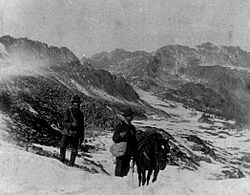
During their expedition, Lewis and Clark visited a surviving Cheyenne village in what is now North Dakota.
Image source: Lewis and Clark Expedition

1820
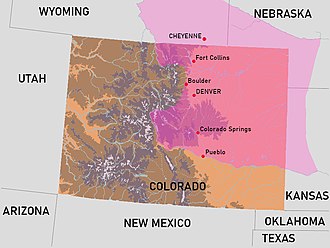
By 1820, American traders and explorers reported contact with Cheyenne near present-day Denver, Colorado, and along the Arkansas River.
1832
The Suhtai, also known as the Só'taeo'o, traveled with the Tsétsėhéstȧhese and merged with them after 1832.
This Cheyenne History timeline was generated with the help of AI, using information found on the internet.
We work hard to keep these timelines accurate, but mistakes do get through. If you spot one, email us at [email protected] and we'll fix it for future visitors.
Generate yours with AI or build it from scratch, for free.