-
Resources
-
Pricing
This timeline traces the development, cultural importance, and global spread of chopsticks from ancient China to the present. More Less
Build a timeline like this one in minutes, for free. Start Yours →
1200 BC
The earliest widely cited physical evidence associated with chopsticks comes from the late Shang dynasty. Bronze or metal food sticks were found at the tomb of Lady Fu Hao near Anyang, showing that pointed implements for handling food were already part of elite Chinese material culture.
Image source: Chopsticks
1200 BC - 1046 BC
During the Shang dynasty, bronze vessels and implements were used in ritual feasts and elite households. Although evidence is fragmentary, chopstick-like implements from this period help establish China as the earliest known center of the utensil's development.
Image source: Shang dynasty
1046 BC - 256 BC
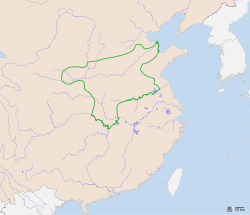
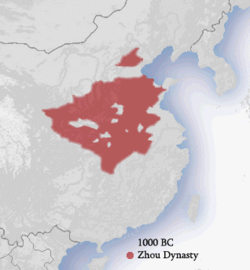
Across the Zhou period, paired sticks were increasingly used alongside bronze vessels, spoons, and knives. Their use fit Chinese cooking practices in which food was cut into bite-sized pieces before serving.
Image source: Zhou dynasty
551 BC - 479 BC
The ritual and ethical traditions associated with Confucius helped reinforce rules governing meals, posture, serving, and the handling of utensils. Later Chinese etiquette texts treated chopsticks as part of a broader system of disciplined table behavior.
Image source: Confucius
221 BC - 206 BC
The Qin dynasty unified much of China and standardized writing, measures, and administrative practice. This political integration also helped regional foodways and dining customs, including the use of paired eating sticks, circulate more widely.
Image source: Qin dynasty
206 BC - 220
Chopsticks became increasingly familiar in Han China, where households used them for cooking and serving as well as eating. The period's expanding cities, trade networks, and bureaucratic culture helped spread common dining conventions.
Image source: Han dynasty
168 BC
The Mawangdui tombs, sealed around the second century BC, preserved food-related objects and documents that illuminate elite Han dining. Such archaeological contexts provide evidence for the materials, tableware, and culinary practices surrounding early chopstick use.
Image source: Mawangdui
100 - 200
Early Chinese lexicographical and literary traditions recorded terms for eating sticks and related utensils. Written evidence from the Han and later periods shows that chopsticks had become recognizable objects within Chinese vocabulary and culture.
220 - 280
Political fragmentation did not stop the spread of Chinese cuisine and tableware. Regional courts and trading communities continued to use and adapt chopsticks, reinforcing their place in Chinese dining across northern and southern states.
Image source: Three Kingdoms
220 - 589
During the Six Dynasties, chopsticks were made in a range of materials, including bamboo, wood, bronze, ivory, and later more luxurious substances. Differences in material and decoration reflected social rank and ceremonial setting.
618 - 907
In the cosmopolitan Tang dynasty, chopsticks were firmly established in Chinese households, restaurants, and banquets. The empire's prosperity and international connections helped Chinese dining practices influence neighboring societies.
Image source: Tang dynasty
960 - 1279
The Song dynasty's cities, restaurants, markets, and prosperous households made chopsticks part of everyday public and domestic life. Commercial food service encouraged standardized tableware and refined rules for handling shared dishes.
Image source: Song dynasty
200 - 600
The transmission of Buddhism, texts, diplomacy, and monastic institutions from China helped carry Chinese material and culinary customs into neighboring regions. Chopsticks traveled as part of this wider exchange rather than through a single documented invention event.
581 - 618
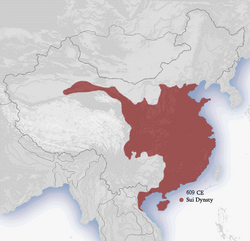
The Sui reunified China and restored large-scale transport and diplomatic links. These connections supported the movement of Chinese foods, cooking techniques, and dining implements throughout East Asia.
Image source: Sui dynasty
600 - 700
By the early medieval period, chopsticks were used on the Korean Peninsula through diplomatic, religious, and cultural links with China. Korean traditions later developed distinctive metal chopsticks and a characteristic pairing with a spoon.
Image source: Korea
607
Japanese missions and students traveling to Sui and Tang China encountered Chinese court customs, including chopsticks. Japanese chronicles traditionally associate their adoption with the early seventh century, although use expanded gradually from courts and religious institutions.
700 - 900
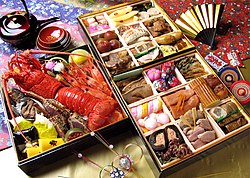
During the Nara and Heian periods, chopsticks became increasingly integrated into Japanese courtly and religious dining. Japan developed its own forms, including shorter tapered sticks and specialized implements for cooking and serving.
Image source: Japanese cuisine
800 - 1200
Japanese artisans applied lacquer and decorative techniques to chopsticks, improving durability and creating objects suited to formal dining. Lacquered wood became an important alternative to plain bamboo or metal.
900 - 1400
Chopsticks became established in Vietnam through long political, commercial, and cultural interaction with China. Vietnamese food traditions adapted the utensil to rice dishes, noodles, soups, and communal serving.
Image source: Vietnamese cuisine
1271 - 1368
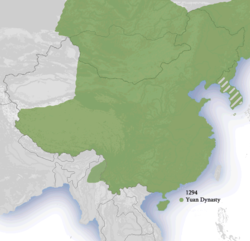
The Yuan empire connected China with Central and East Asia through conquest, administration, and trade. These networks encouraged exchanges in ingredients, cooking, tableware, and the use of chopsticks across a broad territory.
Image source: Yuan dynasty
1582 - 1610
European visitors to late Ming China recorded Chinese foods, table manners, and the use of paired sticks. Their accounts introduced European readers to chopsticks as a distinctive feature of East Asian dining.
Image source: Matteo Ricci
1100 - 1300
Medieval Chinese etiquette traditions increasingly described acceptable and unacceptable ways to hold, rest, and use chopsticks. Prohibitions against pointing, tapping bowls, or leaving sticks upright reflected associations with ritual and funerary practices.
Image source: Chinese culture
1368 - 1644
During the Ming dynasty, chopsticks were produced for household, banquet, religious, and ceremonial purposes. Variations in length, shape, and material distinguished eating sticks from cooking and serving implements.
Image source: Ming dynasty
1600 - 1900
Korean dining increasingly became associated with metal chopsticks, often used together with a long-handled spoon. Metal was durable, washable, and compatible with communal Korean meals and hot foods.
Image source: Korean cuisine
1970 - 2000
As East Asian cuisines spread internationally, guides and educational materials explained chopstick etiquette, regional differences, and taboos. Chopsticks increasingly functioned both as practical utensils and as symbols of cultural identity.
1603 - 1868
The Edo period saw the growth of specialized Japanese crafts, regional styles, and commercial dining. Wooden and lacquered chopsticks became widely available, while different lengths and designs were made for individuals, cooking, and serving.
Image source: Edo period
1850 - 1914
Mechanized manufacturing, improved transport, and expanding urban markets made inexpensive chopsticks more accessible. Bamboo, wood, metal, and increasingly standardized products were sold beyond elite and ceremonial settings.
Image source: Industrial Revolution
1900 - 1950
Migration from China, Japan, Korea, and Vietnam helped establish East Asian restaurants around the world. Chopsticks became recognizable international dining tools, although many restaurants also supplied spoons, forks, and knives.
1950 - 1980
Postwar urbanization and the rapid growth of restaurants and takeaway food drove mass production of disposable wooden and bamboo chopsticks. Their low cost and perceived hygiene made them common across East Asia and in overseas restaurants.
2000 - 2010
Environmental groups and policymakers criticized the scale of disposable chopstick production, citing timber use, waste, chemical treatment, and packaging. The debate encouraged reusable utensils, certified bamboo, and more sustainable manufacturing.
May 1, 2006
China introduced a five-percent consumption tax on disposable wooden chopsticks in 2006 as part of an effort to reduce waste and encourage conservation. The policy made disposable chopsticks a prominent subject of environmental and economic debate.
2010 - 2020
Restaurants, manufacturers, and consumers increasingly adopted reusable metal, wood, and bamboo chopsticks, along with products marketed as biodegradable or responsibly sourced. Designs also diversified for travel, children, accessibility, and ceremonial use.
Image source: Bamboo
2010 - 2025
Contemporary designers experimented with materials, ergonomics, coatings, connected dining products, and assistive features. These innovations extended the utensil's long history while responding to hygiene, sustainability, and global consumer preferences.
Build a timeline like this one in minutes, for free. Start Yours →
Or browse the full history timeline directory, with more than 2,500 topics.
This History of Chopsticks timeline was generated with the help of AI, using information found on the internet.
We work hard to keep these timelines accurate, but mistakes do get through. If you spot one, email us at [email protected] and we'll fix it for future visitors.
Generate yours with AI or build it from scratch, for free.
Export your timeline, add your own events, edit or remove AI-generated events, and much more
No credit card required.
15-day money-back guarantee.
You can create an unlimited number of timelines with up to 10 events on each one, customize how they look, export them to PDF, PNG, PowerPoint, CSV, and Excel, and share them with a link. Timelines made with Timeline Maker AI keep every event the generator created, and you can add up to 5 events of your own. Paid plans remove the event limit, add spreadsheet imports and hide Preceden's branding, and the higher-priced plan also adds collaborators, a custom logo and a custom domain.
Yes. You can cancel your subscription from your account page at any time, and you will not be charged again. Your subscription stays active for the rest of the period you already paid for.
Yes. We email you a reminder 15 days before your annual renewal, and we email you a receipt after every payment.
Yes. You can email us within 15 days of any payment, and we will issue you a full refund.
Check out our pricing docs or send us an email anytime: [email protected].