-
Use Cases
-
Resources
-
Pricing
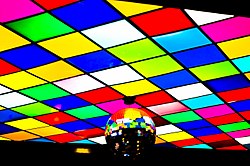
Disco was a genre of dance music and club culture that emerged in the early 1970s from African American, Latino, and LGBTQ+ communities in New York City and Philadelphia. Characterized by four-on-the-floor beats, soaring orchestral arrangements, and glamorous nightlife, disco reached its commercial peak in the late 1970s before a backlash led to its decline, though its legacy endures in house, techno, and pop music. More Less
1960
% complete
Berry Gordy's Motown label in Detroit produced rhythm-and-blues hits built for dancing. Its steady four-on-the-floor beats and crossover appeal provided a crucial template that disco producers later expanded upon.
Image source: Motown
1964
% complete
French-derived 'discotheque' described record-based dance clubs in Europe and reached America in the 1960s. Clubs like Whisky a Go Go popularized the format, from which the shortened term 'disco' eventually emerged.
Image source: Nightclub
1965 - 1972
% complete
Producers Kenny Gamble and Leon Huff developed Philadelphia soul at Philadelphia International Records, blending lush orchestration with rhythmic grooves. This polished, danceable sound directly influenced early disco music.
1970
% complete
In New York clubs like the Loft, hosted by David Mancuso, DJs such as Francis Grasso pioneered beatmatching and long blends between records. These extended mixes created seamless nights of dancing central to disco culture.
Image source: DJ Kool Herc
Feb 14, 1970
% complete
David Mancuso began hosting invitation-only dance parties in his Manhattan loft on Valentine's Day 1970. The Loft's egalitarian atmosphere, quality sound system, and eclectic playlists became a blueprint for disco culture.
Oct 2, 1971
% complete
Don Cornelius launched Soul Train, a nationally syndicated show celebrating Black music and dance. It showcased emerging funk and soul styles and helped popularize the dances that would accompany disco nationwide.
Image source: Soul Train
1972
% complete
Cameroonian saxophonist Manu Dibango released Soul Makossa, whose infectious groove became a surprise hit in New York dance clubs. It is often cited as one of the first records embraced by the nascent disco scene.
Image source: Soul Makossa
1973
% complete
The O'Jays recorded Love Train with Gamble and Huff's lush production, reaching number one in 1973. Its driving beat exemplified the transition from soul to proto-disco that filled dancefloors across America.
Image source: Love Train
1974
% complete
George McCrae's Rock Your Baby, written and produced by Harry Wayne Casey and Richard Finch of KC and the Sunshine Band, is widely considered one of the first true disco recordings. It sold over ten million copies worldwide.
Image source: Rock Your Baby
Feb 1975
% complete
Gloria Gaynor's album Never Can Say Goodbye was among the first designed as a continuous DJ mix, with songs flowing into each other. It signaled disco's arrival as a distinct genre marketed specifically for dancing.
Image source: Never Can Say Goodbye (Gloria Gaynor album)
1976 - 1980
% complete
Neil Bogart's Casablanca Records, home to Donna Summer, Kiss, and the Village People, grew into a powerhouse during the disco boom. Its lavish spending and hit-making defined the era's excess before financial troubles struck.
1977
% complete
Producer Jacques Morali assembled Village People, a group of dancers dressed as macho stereotypes including a cowboy, construction worker, and policeman. Hits like Y.M.C.A. made them disco's most recognizable act.
Image source: Village People
Apr 26, 1977
% complete
Steve Rubell and Ian Schrager opened Studio 54 in a former CBS studio, quickly becoming the most famous nightclub in the world. Celebrities, extravagant parties, and notorious door policies made it disco era's glittering epicenter.
Image source: Studio 54
May 17, 1977
% complete
Produced by Giorgio Moroder and Pete Bellotte, Donna Summer's I Feel Love used an entirely synthesized pulsing bassline. It revolutionized dance music by proving electronic production could drive a disco hit.
Image source: I Feel Love
Nov 15, 1977
% complete
The Bee Gees-dominated soundtrack to Saturday Night Fever became one of the best-selling albums of all time. The film starring John Travolta transformed disco from club culture into a worldwide mainstream phenomenon.
Image source: Saturday Night Fever (soundtrack)
Sep 1978
% complete
Nile Rodgers and Bernard Edwards wrote Le Freak after being turned away from Studio 54 on New Year's Eve 1977. The song topped charts worldwide and became Atlantic Records' biggest-selling single at the time.
Image source: Le Freak
Oct 23, 1978
% complete
Gloria Gaynor recorded I Will Survive after spinal surgery left her hospitalized. The empowerment ballad won the first Grammy Award for Best Disco Recording and remains an enduring anthem.
Image source: I Will Survive
Nov 13, 1978
% complete
Village People released Y.M.C.A., which reached number two in the United States and topped charts abroad. Its iconic arm-spelling dance made it a lasting cultural phenomenon far beyond the disco era.
Image source: Y.M.C.A. (song)
Feb 15, 1979
% complete
At the Grammy Awards, disco acts swept major categories, with Saturday Night Fever winning Album of the Year. The ceremony confirmed disco's complete takeover of mainstream popular music.
Jul 23, 1979
% complete
Chic's Good Times reached number one and became one of the most sampled songs in history, later underpinning Sugarhill Gang's Rapper's Delight. It marked disco's deepening dialogue with funk and nascent hip-hop.
Image source: Good Times (Chic song)
1979 - 1980
% complete
Following mounting backlash, dozens of American radio stations abandoned disco formats en masse, some staging public record burnings. Critics tied much of the hostility to racism and homophobia against disco's core audiences.
Image source: Disco
Jul 12, 1979
% complete
Radio DJ Steve Dahl staged an anti-disco promotion between games of a White Sox doubleheader, blowing up crates of disco records. The resulting riot forced the White Sox to forfeit and symbolized the genre's backlash.
Image source: Disco Demolition Night
Dec 1979 - Feb 1980
% complete
Steve Rubell and Ian Schrager were arrested for tax evasion in December 1978, and the club was sold and closed in February 1980. The fall of Studio 54 came to symbolize the end of disco's golden age.
1980 - 1982
% complete
By the early 1980s, record labels dropped the 'disco' label entirely even while continuing to produce dance music. Producers pivoted toward post-disco styles like boogie, hi-NRG, and electro to escape the stigma.
Image source: Post-disco
1981
% complete
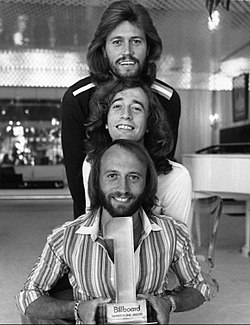
After Living Eyes flopped commercially in 1981, the Bee Gees stepped back from recording together amid intense anti-disco sentiment. Their withdrawal underscored how rapidly mainstream tastes had turned against the genre.
Image source: Bee Gees
1980 - 1985
% complete
Hi-NRG emerged from post-disco club scenes, particularly in Britain and gay communities, featuring faster tempos and synthesizer-driven production. Artists like Patrick Cowley and Sylvester carried the disco torch forward.
1984
% complete
Chicago DJs like Frankie Knuckles at the Warehouse blended disco records with drum machines to create house music. The name itself derives from the Warehouse club, making house disco's direct descendant.
Image source: House music
Nov 12, 1984
% complete
Nile Rodgers of Chic produced Madonna's Like a Virgin, infusing 1980s pop with disco-era rhythms. The album's massive success reintroduced dance-floor sensibilities to a new generation of listeners.
Image source: Like a Virgin (album)
1995
% complete
Museums and institutions increasingly celebrated disco's cultural impact, with the Rock and Roll Hall of Fame honoring artists like Donna Summer and Chic. Scholarship reframed disco as foundational to modern popular music.
Image source: Rock and Roll Hall of Fame
1998 - 2001
% complete
Daft Punk, Cassius, and Stardust sampled classic disco records into French house anthems like Music Sounds Better with You. This revival revalidated disco aesthetics within electronic dance music culture.
Image source: French house
Or browse the full history timeline directory, with more than 2,000 topics.
This History of Disco timeline was generated with the help of AI, using information found on the internet.
We work hard to keep these timelines accurate, but mistakes do get through. If you spot one, email us at [email protected] and we'll fix it for future visitors.
Generate yours with AI or build it from scratch, for free.
Export your timeline, add your own events, edit or remove AI-generated events, and much more
No credit card required.
Cancel anytime.
Cancel anytime.
You can create an unlimited number of timelines with up to 10 events on each one, customize how they look, export them to PDF, PNG, PowerPoint, CSV, and Excel, and share them with a link. Paid plans raise the event limit and add features like spreadsheet imports and collaborators.
Yes. You can cancel your subscription from your account page at any time, and you will not be charged again. Your subscription stays active for the rest of the period you already paid for.
Yes. We will email you a reminder before the annual renewal, and we will also email you a receipt.
Yes. You can email us within 15 days of any payment, and we will issue you a full refund.
Check out our pricing docs or send us an email anytime: [email protected].