-
Use Cases
-
Resources
-
Pricing
Oct 31, 1517
Martin Luther’s Ninety-five Theses challenged the sale of indulgences and sparked a controversy that helped launch the Protestant Reformation. Evangelicals later regarded the Reformation’s emphasis on Scripture, justification by faith, and personal conversion as foundational to their tradition.
1526
William Tyndale published the first English New Testament translated directly from Greek. Its wide circulation helped make biblical texts accessible to ordinary English readers and strongly influenced later Protestant and evangelical ideas.
Image source: Tyndale Bible

1560
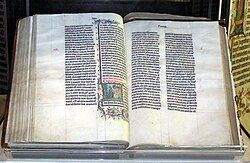
English Protestant exiles published the Geneva Bible, an influential translation with extensive theological notes. It became widely read among English-speaking Protestants and shaped Puritan and later evangelical biblical culture.
Image source: Geneva Bible

1560 - 1662
Puritanism developed within and alongside the Church of England, emphasizing disciplined worship, biblical preaching, moral reform, and personal assurance of salvation. Its spirituality contributed significantly to the formation of later evangelicalism.
Image source: Puritans

1675 - 1740
German Pietism, associated especially with Philipp Jakob Spener, stressed personal regeneration, small-group Bible study, practical holiness, and active Christian service. These emphases became important channels through which evangelical spirituality spread.
1678
John Bunyan published The Pilgrim’s Progress, an allegorical account of a believer’s journey from conversion toward salvation. The book became one of the most influential works of Protestant devotional literature.
Image source: The Pilgrim's Progress

1727
A spiritual renewal at Herrnhut in 1727 energized the Moravian Church and produced an extensive missionary movement. Moravian missionaries influenced John Wesley and helped establish the evangelical pattern of linking conversion with global mission.
Image source: Moravian Church
1780 - 1850
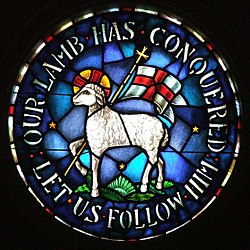
Sunday schools spread rapidly in Britain and North America, teaching children literacy and Christian doctrine. Evangelicals used them as major institutions for religious education, outreach, and lay participation.
Image source: Sunday school

1792
William Carey and associates founded the Baptist Missionary Society in England. The organization helped inaugurate the modern Protestant missionary movement and supported Bible translation, education, and church planting in India.
Image source: BMS World Mission

1810 - 1860
Founded in 1810, the American Board sent missionaries to Asia, the Middle East, Africa, and the Pacific. It became a leading institution in the nineteenth-century expansion of American evangelical Protestantism.
Image source: American Board of Commissioners for Foreign Missions

This History of Evangelicalism timeline was generated with the help of AI, using information found on the internet.
We work hard to keep these timelines accurate, but mistakes do get through. If you spot one, email us at [email protected] and we'll fix it for future visitors.
Generate yours with AI or build it from scratch, for free.