-
Use Cases
-
Resources
-
Pricing
1600
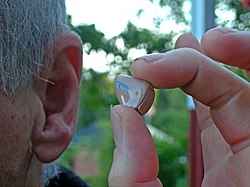
The first hearing aid was created in the 17th century, marking the beginning of organized technological efforts to assist people with hearing loss.
Image source: Hearing aid
1600
The use of ear trumpets for people who were partially deaf dates back to the 17th century. These acoustic devices collected and concentrated sound toward the ear.
1775 - 1799
By the late 18th century, the use of ear trumpets was becoming increasingly common as an aid for people with impaired hearing.
1800
Frederick C. Rein established the first firm to begin commercial production of ear trumpets in London in 1800, helping turn the devices into manufactured products.
1814
Ear trumpets were famously used by Ludwig van Beethoven around 1814 as the composer’s hearing deteriorated.
Image source: Ludwig van Beethoven

1819
In 1819, Frederick C. Rein was commissioned to design a special acoustic chair for the ailing King John VI of Portugal.
1875 - 1899
Toward the late 19th century, hidden hearing aids became increasingly popular, reflecting a desire for hearing assistance that was less conspicuous.
1876
The movement toward modern hearing aids began with the creation of the telephone, whose electrical transmission and amplification technologies provided a foundation for later hearing-aid development.
Image source: History of the telephone

1898
The first electric hearing aid was created in 1898, introducing electrical amplification into hearing assistance.
1898
Miller Reese Hutchison created the Akouphone in 1898. It was the first electric hearing aid and represented an important transition from purely acoustic devices.
This History of Hearing Aids timeline was generated with the help of AI, using information found on the internet.
We work hard to keep these timelines accurate, but mistakes do get through. If you spot one, email us at [email protected] and we'll fix it for future visitors.
Generate yours with AI or build it from scratch, for free.