-
Use Cases
-
Resources
-
Pricing
Herbal medicine is one of the oldest forms of healthcare, with humans using plants for healing for tens of thousands of years. From ancient civilizations like Egypt, China, and India developing sophisticated herbal systems, to the Middle Ages' herbals and monastic gardens, through the scientific isolation of active compounds like morphine and aspirin, and into today's renewed interest in natural remedies backed by clinical research, the history of herbal medicine reflects humanity's enduring relationship with medicinal plants. More Less
1600 BCE - 1046 BCE
% complete
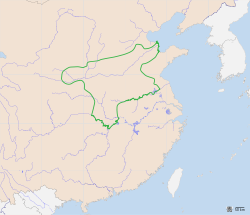
Seeds likely used for herbalism were found in archaeological sites of Bronze Age China dating from the Shang dynasty (c. 1600 – c. 1046 BCE). This discovery represents some of the earliest physical evidence of the human use of plants for medicinal purposes.
Image source: Shang dynasty
1550 BCE
% complete
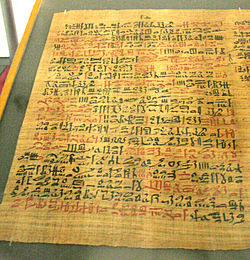
In ancient Egypt, the Ebers papyrus dates from about 1550 BCE and covers more than 700 compounds, mainly of plant origin. It is one of the oldest and most important surviving medical documents, documenting the extensive use of herbal remedies in Egyptian medicine.
Image source: Ebers Papyrus
400 BC - 399 BC
% complete
The earliest known Greek herbals came from Theophrastus of Eresos who, in the 4th century BCE, wrote in Greek Historia Plantarum. His work laid foundational knowledge of plant botany and medicinal uses that influenced later herbalists for centuries.
Image source: Theophrastus
300 BC - 299 BC
% complete
Diocles of Carystus wrote during the 3rd century BCE and was among the earliest known authors of Greek herbals. His writings contributed to the growing body of botanical and medical knowledge in the ancient Greek world.
100 BC - 099 BC
% complete
Krateuas, a physician and pharmacologist, wrote in the 1st century BCE and is considered one of the earliest known authors of Greek herbals. His illustrated works on plant medicines helped bridge botany and pharmacy in antiquity.
Image source: Crateuas (physician)
40 CE - 90 CE
% complete
De Materia Medica, originally written in Greek by Pedanius Dioscorides of Anazarbus, Cilicia, a physician and botanist, is one example of herbal writing used over centuries until the 1600s. Its detailed descriptions of plants and their medical uses made it a cornerstone reference for over fifteen hundred years.
Image source: De materia medica
726
% complete
In Indonesia, especially among the Javanese, the jamu traditional herbal medicine may have originated in the Mataram kingdom era, some 1300 years ago. Jamu remains a living tradition of herbal healing practiced throughout Indonesia today.
Image source: Jamu
1700
% complete
A book from Mataram dated from circa 1700 contains 3,000 entries of jamu herbal recipes. This remarkable compendium documented centuries of accumulated Javanese herbal knowledge in written form.
1814
% complete
Javanese classical literature Serat Centhini (1814) describes some jamu herbal concoction recipes, preserving traditional herbal knowledge within one of Java's most celebrated literary works.
1972
% complete
In 1972, Tu Youyou, a pharmaceutical chemist and later Nobel Prize winner, extracted the anti-malarial drug artemisinin from sweet wormwood, a traditional Chinese treatment for intermittent fevers. Her discovery has saved millions of lives worldwide and demonstrated the value of traditional remedies as sources of modern drugs.
Image source: Artemisinin
2015
% complete
According to Cancer Research UK as of 2015, 'there is currently no strong evidence from studies in people that herbal remedies can treat, prevent or cure cancer', underscoring the importance of evidence-based evaluation of herbal claims.
Image source: Cancer Research UK
1998
% complete
The World Health Organization published Quality control methods for medicinal plant materials in 1998 to support WHO Member States in establishing quality standards and specifications for herbal materials, within the overall context of quality assurance and control of herbal medicines.
Image source: World Health Organization
2004
% complete
Since 2004, the sale of ephedra as a dietary supplement is prohibited in the United States by the FDA, and it is subject to Schedule III restrictions in the United Kingdom. The ban followed reports of serious adverse health effects linked to the stimulant herb.
Image source: Ephedra (medicine)
2009
% complete
One 2009 review concluded that regulation of herbalists in Australia was needed to reduce the risk of interaction of herbal medicines with prescription drugs, to implement clinical guidelines and prescription of herbal products, and to assure self-regulation for protection of public health and safety.
Image source: Herbal medicine
2009
% complete
In Australia, the self-regulated status of the profession (as of 2009) resulted in variable standards of training, and numerous loosely formed associations setting different educational standards, highlighting inconsistencies in practitioner preparation across the country.
2014
% complete
Researchers at the University of Adelaide found in 2014 that almost 20 percent of herbal remedies surveyed were not registered with the Therapeutic Goods Administration, despite this being a condition for their sale, raising concerns about product oversight in Australia.
Image source: Therapeutic Goods Administration
2015
% complete
In 2015, the Australian Government's Department of Health published the results of a review of alternative therapies that sought to determine if any were suitable for being covered by health insurance; herbalism was one of 17 topics evaluated for which no clear evidence of effectiveness was found.
Image source: Department of Health and Aged Care
2015
% complete
In 2015, the New York Attorney General issued cease and desist letters to four major US retailers (GNC, Target, Walgreens, and Walmart) who were accused of selling herbal supplements that were mislabeled and potentially dangerous.
Image source: Attorney General of New York
2017
% complete
Establishing guidelines to assess the safety and efficacy of herbal products, the European Medicines Agency provided criteria in 2017 for evaluating and grading the quality of clinical research in preparing monographs about herbal products.
Image source: European Medicines Agency
2017 - 2021
% complete
Over the years 2017–2021, the US Food and Drug Administration issued warning letters to numerous herbalism companies for illegally marketing products under conditions that cause them to be drugs under section 201(g)(1) of the Act [21 U.S.C., targeting unsubstantiated disease-treatment claims.
Image source: Food and Drug Administration
2018
% complete
In a 2018 study, the FDA identified active pharmaceutical additives in over 700 analyzed dietary supplements sold as 'herbal', 'natural' or 'traditional', revealing widespread adulteration of products marketed as natural remedies.
Or browse the full history timeline directory, with more than 2,000 topics.
This History of Herbal Medicine timeline was generated with the help of AI, using information found on the internet.
We work hard to keep these timelines accurate, but mistakes do get through. If you spot one, email us at [email protected] and we'll fix it for future visitors.
Generate yours with AI or build it from scratch, for free.
Export your timeline, add your own events, edit or remove AI-generated events, and much more
No credit card required.
Cancel anytime.
Cancel anytime.
You can create an unlimited number of timelines with up to 10 events on each one, customize how they look, export them to PDF, PNG, PowerPoint, CSV, and Excel, and share them with a link. Paid plans raise the event limit and add features like spreadsheet imports and collaborators.
Yes. You can cancel your subscription from your account page at any time, and you will not be charged again. Your subscription stays active for the rest of the period you already paid for.
Yes. We will email you a reminder before the annual renewal, and we will also email you a receipt.
Yes. You can email us within 15 days of any payment, and we will issue you a full refund.
Check out our pricing docs or send us an email anytime: [email protected].