-
Use Cases
-
Resources
-
Pricing
The history of magnifying glasses traces the development of simple lenses into practical optical tools used for reading, craftsmanship, science, and medicine. More Less
Build a timeline like this one in minutes, for free. Start Yours →
700 BC
The Nimrud lens, a polished rock-crystal object from the Neo-Assyrian period, is often discussed as an early magnifying lens. Its exact purpose remains debated, but it demonstrates that shaped transparent materials capable of focusing or enlarging light existed in the ancient world.
Image source: Nimrud lens

424 BC
In Aristophanes' comedy Clouds, a character discusses using a lens or burning glass to melt writing wax. The passage is one of the earliest literary references to a transparent object used to concentrate sunlight.
Image source: Cloud 9 (play)

300 BC
Euclid's Optics analyzed vision through geometric principles, helping establish the mathematical study of sight and perspective. Although it did not describe a handheld magnifying glass, its work provided an intellectual foundation for later optical instruments.
Image source: Euclid's Optics

150
Claudius Ptolemy investigated the bending of light as it passes between materials. His work on refraction contributed to the long development of optical theory that eventually made lens design more systematic.
Image source: Ptolemy

1000 - 1099
During the medieval period, hemispherical pieces of glass or crystal known as reading stones were placed directly on manuscripts to enlarge letters. They were among the earliest practical magnifying devices used for reading.
Image source: Reading stone

1021
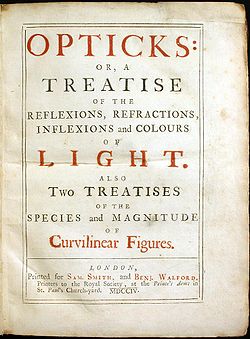
Ibn al-Haytham completed the Book of Optics around 1021. By emphasizing experimentation and explaining vision through light entering the eye, the work transformed optical science and strongly influenced later European studies of lenses and magnification.
Image source: Book of Optics

1267
In Opus Majus, Roger Bacon described the visual benefits of segments of transparent spheres and suggested that such lenses could aid people with weak eyesight. His discussion helped spread knowledge of practical magnification in medieval Europe.
Image source: Roger Bacon

1290
Riveted spectacles began appearing in northern Italy near the end of the thirteenth century. Although spectacles are worn rather than handheld magnifiers, their manufacture advanced the grinding, polishing, and fitting of lenses.
Image source: Glasses
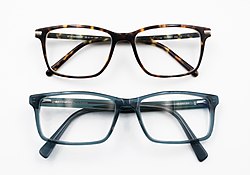
1300
Convex lenses for presbyopia became increasingly common in medieval spectacles. The same optical principle—bringing rays together to form a magnified virtual image—underlies the ordinary magnifying glass.
1450
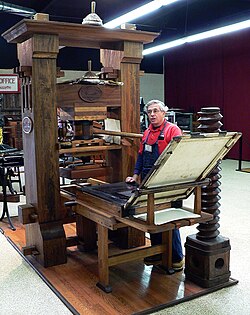
The spread of European printing after Gutenberg increased the production and circulation of small type, detailed illustrations, and technical texts. Reading stones and handheld lenses became more useful as literacy and book ownership expanded.
Image source: Printing press
Build a timeline like this one in minutes, for free. Start Yours →
This History of Magnifying Glasses timeline was generated with the help of AI, using information found on the internet.
We work hard to keep these timelines accurate, but mistakes do get through. If you spot one, email us at [email protected] and we'll fix it for future visitors.
Generate yours with AI or build it from scratch, for free.