-
Use Cases
-
Resources
-
Pricing
Peanuts is a beloved American comic strip created by cartoonist Charles M. Schulz. Debuting on October 2, 1950, it ran for nearly 50 years until Schulz's retirement in 2000. Featuring iconic characters such as Charlie Brown, Snoopy, Lucy, and Linus, Peanuts explored themes of friendship, anxiety, optimism, and everyday life with wit and warmth. At its peak, the strip appeared in over 2,600 newspapers in 75 countries and inspired numerous animated television specials, including A Charlie Brown Christmas, making it one of the most influential comic strips of all time. More Less
Nov 26, 1922
% complete
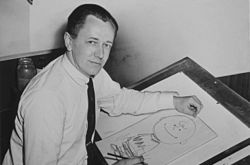
Charles Monroe Schulz, the future creator of Peanuts, was born in Minneapolis, Minnesota. His love of drawing developed early, and his childhood experiences, including his dog Spike, would later inspire many elements of the comic strip.
Image source: Charles M. Schulz
Feb 22, 1937
% complete
A drawing of the Schulz family dog Spike, who refused to chase cats, was published in Robert Ripley's Believe It or Not! newspaper feature, giving teenage Charles Schulz his first taste of national publication.
Image source: Ripley's Believe It or Not!
Feb 1943 - Jan 1945
% complete
Schulz was drafted into the United States Army and served in Europe during World War II, rising to staff sergeant. The experience matured him and delayed but did not deter his ambition to become a cartoonist.
Jun 22, 1947 - Jan 1950
% complete
Schulz's single-panel cartoon series Li'l Folks ran in the St. Paul Pioneer Press, featuring children and a beagle that were early prototypes of Charlie Brown and Snoopy. The United Feature Syndicate rejected it twice before offering Schulz a contract.
Image source: Li'l Folks
1948 - 1950
% complete
After returning from the war, Schulz worked as an instructor with Art Instruction Schools in Minneapolis, sharpening his skills and meeting colleagues while continuing to submit cartoons for syndication.
Image source: Art Instruction Schools
Oct 2, 1950
% complete
The first Peanuts strip appeared in seven newspapers. Despite Schulz's dislike of the title, which he felt was trivial, the name stuck. The strip introduced readers to Charlie Brown and a cast of children with adult-sized anxieties.
Image source: Peanuts
Oct 4, 1950
% complete
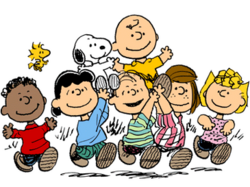
Two days after the strip debuted, Snoopy made his first appearance, inspired by Schulz's childhood dog Spike. Over time Snoopy evolved from an ordinary beagle into one of the most beloved characters in comics history.
Image source: Snoopy
May 30, 1951
% complete
Schroeder, the piano-playing child prodigy devoted to Beethoven, joined the strip, adding musical humor and a recurring dynamic with Lucy, who developed an unrequited crush on him.
Mar 3, 1952
% complete
The bossy, crabby Lucy made her debut and quickly became one of the strip's central figures. Her psychiatric booth and football-pulling pranks on Charlie Brown became iconic running gags.
Sep 19, 1952
% complete
Linus, Lucy's younger brother, first appeared as a baby. He grew into the thoughtful, blanket-clutching philosopher of the strip, often delivering surprisingly profound observations.
Jul 13, 1954
% complete
The perpetually dirty Pig-Pen appeared, wearing his cloud of dust with pride. He embodied the theme of self-acceptance, famously declaring that the dirt was the dust of countless ages.
Image source: Pig-Pen
1955
% complete
The National Cartoonists Society awarded Schulz its top honor, the Reuben Award for Outstanding Cartoonist of the Year, recognizing Peanuts' growing critical acclaim and cultural influence.
Image source: National Cartoonists Society
1955
% complete
The Kite-Eating Tree became a signature gag symbolizing Charlie Brown's perpetual bad luck, as his attempts to fly a kite were repeatedly thwarted by the voracious tree.
Image source: Kite-Eating Tree
Aug 23, 1959
% complete
Charlie Brown's little sister Sally arrived as a baby and later grew into a talkative kindergartner with a hopeless crush on Linus, whom she affectionately called her 'sweet babboo.'
Image source: Sally Brown
1960
% complete
During this period Snoopy evolved dramatically, standing upright on two legs, thinking in thought balloons, and adopting rich fantasy lives, including his World War I Flying Ace persona battling the Red Baron.
Aug 22, 1966
% complete
Patricia Reichardt, better known as Peppermint Patty, brought athletic confidence and chronic academic struggles to the strip. Her unrequited affection for 'Chuck' added new romantic comedy dynamics.
Image source: Peppermint Patty
Apr 4, 1967
% complete
A small yellow bird befriended Snoopy after being hatched in the nest next door. Named Woodstock in 1970 after the music festival, he became Snoopy's loyal sidekick, communicating only in unintelligible scribbles.
Image source: Woodstock (Peanuts)
Jul 31, 1968
% complete
Following the assassination of Martin Luther King Jr., schoolteacher Harriet Glickman wrote to Schulz suggesting a Black character. Franklin debuted soon after, quietly breaking a racial barrier in American comics.
Image source: Franklin (Peanuts)
1970
% complete
By the early 1970s, Peanuts was syndicated in more than 1,000 newspapers across dozens of countries, making it one of the most widely read comic strips in history.
Jul 20, 1971
% complete
Marcie, Peppermint Patty's bookish best friend, joined the strip, calling her 'Sir' despite repeated protests and providing a calm counterpoint to Patty's impulsive energy.
Image source: Marcie
Dec 9, 1965
% complete
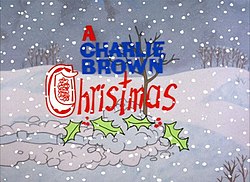
The first animated Peanuts special, produced by Lee Mendelson and Bill Melendez with jazz score by Vince Guaraldi, nearly flopped in pre-production but won an Emmy and became a beloved holiday tradition.
Image source: A Charlie Brown Christmas
Oct 27, 1966
% complete
This Halloween special featured Linus's earnest vigil in the pumpkin patch awaiting the mythical Great Pumpkin. It cemented Peanuts' place in seasonal television traditions alongside the Christmas special.
Image source: It's the Great Pumpkin, Charlie Brown
Mar 1, 1967
% complete
Clark Gesner's musical based on the strip opened off-Broadway and became a surprise hit, running for over 1,500 performances and introducing Peanuts characters to live theater audiences.
Image source: You're a Good Man, Charlie Brown
Apr 28, 1967
% complete
Snoopy graced the cover of Time magazine, reflecting the character's astonishing rise to pop-culture stardom and the strip's dominance in American media.
1968
% complete
NASA adopted Snoopy as a safety mascot for human spaceflight, awarding employees the prestigious Silver Snoopy pin flown aboard spacecraft, a tradition that continues today.
May 18, 1969
% complete
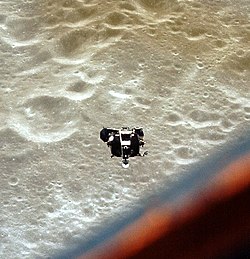
NASA named the Apollo 10 command module Charlie Brown and the lunar module Snoopy. Snoopy also became NASA's safety mascot, underscoring the characters' reach beyond comics.
Image source: Apollo 10
1988
% complete
Facing health issues including hand tremors, Schulz began using rerun Sunday strips occasionally while still producing new daily strips, marking the first time previously published material filled the slot.
Nov 1999
% complete
Diagnosed with colon cancer following a series of small strokes, Schulz announced he would retire and that no other artist would ever draw new Peanuts strips, honoring his wish to end the strip with dignity.
Feb 2000
% complete
Per Schulz's wishes, newspapers continued running classic Peanuts strips after his death, keeping the beloved characters in daily print circulation worldwide without any new material.
Feb 12, 2000 - Feb 13, 2000
% complete
Schulz died in his sleep on February 12, 2000, hours before his farewell Sunday strip ran. In it, Charlie Brown receives a phone call and the strip ends with a touching letter thanking readers for their fidelity.
Oct 2010
% complete
A decade after Schulz's death, the strip marked 60 years with museum exhibitions, books, and merchandise, demonstrating the enduring global appeal of Schulz's creation.
Nov 6, 2015
% complete
The first feature-length computer-animated Peanuts film, produced with input from the Schulz family, introduced the gang to a new generation and earned strong reviews and box-office success.
Image source: The Peanuts Movie
Oct 2020
% complete
Seventy years after its debut, Peanuts remained a global phenomenon spanning comics, television, films, and merchandise, celebrated with retrospectives honoring Charles Schulz's unmatched legacy in cartooning.
Oct 2, 2020
% complete
Apple acquired rights to Peanuts content, launching shows like Snoopy in Space and new holiday specials, extending the franchise into the streaming era for contemporary audiences.
Image source: Snoopy in Space
Or browse the full history timeline directory, with more than 2,000 topics.
This History of Peanuts Comic Strip timeline was generated with the help of AI, using information found on the internet.
We work hard to keep these timelines accurate, but mistakes do get through. If you spot one, email us at [email protected] and we'll fix it for future visitors.
Generate yours with AI or build it from scratch, for free.
Export your timeline, add your own events, edit or remove AI-generated events, and much more
No credit card required.
Cancel anytime.
Cancel anytime.
You can create an unlimited number of timelines with up to 10 events on each one, customize how they look, export them to PDF, PNG, PowerPoint, CSV, and Excel, and share them with a link. Paid plans raise the event limit and add features like spreadsheet imports and collaborators.
Yes. You can cancel your subscription from your account page at any time, and you will not be charged again. Your subscription stays active for the rest of the period you already paid for.
Yes. We will email you a reminder before the annual renewal, and we will also email you a receipt.
Yes. You can email us within 15 days of any payment, and we will issue you a full refund.
Check out our pricing docs or send us an email anytime: [email protected].