-
Use Cases
-
Resources
-
Pricing
1200 BC
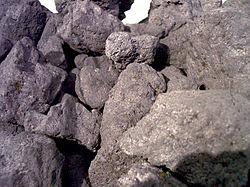
Iron smelting was established in Anatolia and the surrounding Near East by the late second millennium BC. Furnaces converted iron ores into bloom, which smiths consolidated and forged into tools and weapons, initiating the Iron Age.
Image source: Iron Age
1000 BC - 500 BC
Ironworkers learned that controlled carbon absorption could produce harder steel rather than relatively soft wrought iron. Early steels were made in small blooms and improved through repeated heating, hammering, and quenching.
500 BC - 200 BC
Chinese furnace operators achieved temperatures high enough to produce cast iron on a substantial scale during the Zhou and Qin periods. Cast iron enabled agricultural tools, cookware, weapons, and large architectural components, although it was more brittle than forged steel.
Image source: Cast iron

300 BC - 500
South Asian metallurgists developed crucible processes that produced high-carbon steel ingots known as wootz. Their carefully controlled compositions and cooling patterns later became associated with the celebrated watered surfaces of Damascus blades.
Image source: Wootz steel

200 - 1200
Crucible steel production spread and matured in southern India and neighboring regions. Small charges of wrought iron, carbon-rich materials, and glass or slag were melted together, creating unusually homogeneous high-carbon ingots for blades and other elite products.
500 - 1500
Wootz ingots and related forging practices moved through trade networks into the Middle East. Smiths forged them into blades whose visible patterns and combination of hardness and toughness made Damascus steel renowned across Eurasia.
600 - 1600
Japanese ironworkers developed the tatara process, using charcoal and iron sand in a clay furnace. The resulting bloom, or tamahagane, was repeatedly forged and folded to create materials for swords, tools, and agricultural implements.
1150 - 1500
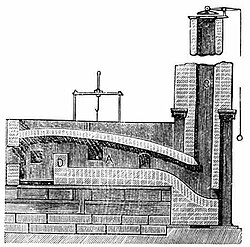
Water-powered bellows and taller shaft furnaces spread through medieval Europe, increasing furnace temperatures and output. The technology made large-scale cast-iron production possible, though most finished goods still required refining and forging.
Image source: Blast furnace

1380
Blast furnaces are documented in the Namur region of present-day Belgium by the late fourteenth century. This marked a major transition from small bloomery operations toward continuous, higher-volume smelting of liquid cast iron.
1600 - 1800
The cementation process heated wrought-iron bars in contact with charcoal for long periods, allowing carbon to diffuse into their surfaces. The resulting blister steel became an important precursor for crucible steel and helped supply European toolmakers.
This History of Steel timeline was generated with the help of AI, using information found on the internet.
We work hard to keep these timelines accurate, but mistakes do get through. If you spot one, email us at [email protected] and we'll fix it for future visitors.
Generate yours with AI or build it from scratch, for free.