-
Use Cases
-
Resources
-
Pricing
1050 BCE - 1010 BCE
% complete
Saul of the tribe of Benjamin became the first king of the united Israelite monarchy. His reign was marked by warfare against neighboring peoples, including the Philistines, but his disobedience to prophetic commands led Samuel to reject his dynasty.
Image source: Saul
1010 BCE - 1003 BCE
% complete
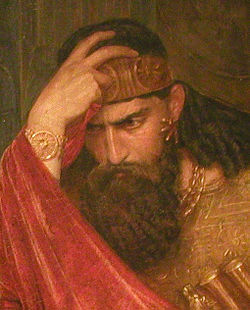
After Saul’s death, David was anointed king over Judah at Hebron. His initial reign was contested by supporters of Saul’s son Ish-bosheth, producing a civil conflict before David gained control of the southern kingdom.
Image source: David
1003 BCE - 970 BCE
% complete
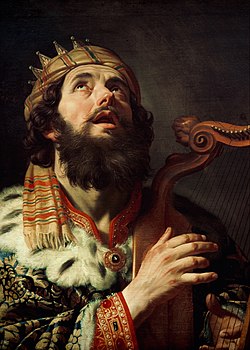
The northern tribes accepted David as king, reunifying Israel. David captured Jerusalem, made it his capital, expanded the kingdom through military victories, and established the royal dynasty that later became central to Israelite and Jewish tradition.
970 BCE - 931 BCE
% complete
Solomon succeeded David after a contested succession. His reign is associated with administrative centralization, international trade, wealth, and the construction of the First Temple in Jerusalem.
Image source: Solomon
931 BCE
% complete
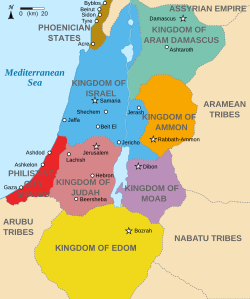
Following Solomon’s death, the northern tribes rejected the heavy taxation and labor policies of his son Rehoboam. Jeroboam I established the independent Kingdom of Israel, while Rehoboam retained Judah and Benjamin.
Image source: Kingdom of Israel (Samaria)
931 BCE - 913 BCE
% complete
Rehoboam succeeded Solomon and retained control of Judah after the northern tribes seceded. His harsh response to their request for lighter burdens contributed directly to the division of the united monarchy.
Image source: Rehoboam
913 BCE - 911 BCE
% complete
Abijah, son of Rehoboam, ruled Judah briefly and fought Jeroboam I of Israel. Biblical accounts differ in their assessment of his religious faithfulness, but his reign preserved the Davidic succession.
911 BCE - 870 BCE
% complete
Asa ruled Judah for many years and is portrayed as undertaking religious reforms and removing foreign cult objects. He also formed an alliance with Aram-Damascus against Israel during a period of regional conflict.
Image source: Asa of Judah
870 BCE - 848 BCE
% complete
Jehoshaphat developed Judah’s administration, military defenses, and judicial system. He allied with the northern kingdom through marriage and military cooperation, though biblical narratives criticize some consequences of that alliance.
Image source: Jehoshaphat
848 BCE - 841 BCE
% complete
Jehoram succeeded Jehoshaphat and married Athaliah, linking Judah to the Omride house of Israel. His reign faced revolts by Edom and Libnah and is described as a departure from earlier Davidic religious ideals.
Image source: Jehoram of Judah
841 BCE - 835 BCE
% complete
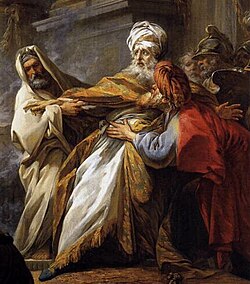
Athaliah, the mother of Ahaziah, seized power and attempted to eliminate the royal heirs. The priest Jehoiada concealed Joash, the surviving Davidic child, and eventually led a revolt that ended her rule.
Image source: Athaliah
841 BCE
% complete
Ahaziah ruled Judah for approximately one year and maintained ties with the Omride dynasty. He was killed during Jehu’s revolt in the northern kingdom, creating a succession crisis in Judah.
Image source: Ahaziah of Judah
835 BCE - 796 BCE
% complete
Joash became king as a child after Athaliah’s overthrow. Under priestly guidance he repaired the Jerusalem Temple, but later conflicts and political instability weakened his reign, ending with his assassination.
Image source: Jehoash of Judah
796 BCE - 767 BCE
% complete
Amaziah defeated Edom and initially followed established religious practices. After challenging Israel, he suffered defeat and the capture of Jerusalem, and he was later assassinated by conspirators.
Image source: Amaziah of Judah
767 BCE - 740 BCE
% complete
Uzziah, also called Azariah, expanded Judah’s influence, strengthened its army, and developed agriculture and fortifications. According to the biblical account, he became afflicted with skin disease after attempting priestly functions.
Image source: Uzziah
740 BCE - 732 BCE
% complete
Jotham governed Judah during Uzziah’s illness and later ruled independently. He built projects and defeated the Ammonites, while the growing threat of Assyria and the Syro-Ephraimite crisis shaped his final years.
Image source: Jotham
732 BCE - 716 BCE
% complete
Ahaz sought Assyrian help against Aram-Damascus and Israel during the Syro-Ephraimite War. Judah became an Assyrian vassal, and Ahaz introduced foreign religious influences into the kingdom.
Image source: Ahaz
716 BCE - 687 BCE
% complete
Hezekiah centralized worship in Jerusalem, removed or suppressed rival cultic practices, and strengthened Judah’s defenses. His revolt against Assyria culminated in Sennacherib’s invasion of 701 BCE, when Jerusalem survived the campaign.
Image source: Hezekiah
687 BCE - 643 BCE
% complete
Manasseh had the longest reign of any Judahite king in the biblical account. He reversed many of Hezekiah’s reforms, promoted practices condemned by biblical writers, and ruled Judah as an Assyrian vassal.
Image source: Manasseh of Judah
643 BCE - 641 BCE
% complete
Amon succeeded Manasseh but ruled for only two years. Palace servants assassinated him, after which the people of Judah executed the conspirators and placed his son Josiah on the throne.
Image source: Amon of Judah
641 BCE - 609 BCE
% complete
Josiah undertook a major religious reform centered on the Jerusalem Temple after a law scroll was discovered during repairs. He destroyed many local cult sites and died at Megiddo while confronting Pharaoh Necho II.
Image source: Josiah
609 BCE
% complete
Jehoahaz succeeded Josiah but ruled for only about three months. Pharaoh Necho II deposed him and carried him to Egypt, installing his brother Eliakim under the name Jehoiakim.
Image source: Jehoahaz of Judah
609 BCE - 598 BCE
% complete
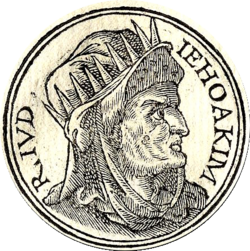
Jehoiakim ruled Judah first under Egyptian influence and later became subject to Babylon after Nebuchadnezzar II’s victory at Carchemish. His rebellion contributed to Babylonian attacks and the first stages of Judah’s exile.
Image source: Jehoiakim
598 BCE - 597 BCE
% complete
Jehoiachin, also called Jeconiah or Coniah, surrendered Jerusalem to Nebuchadnezzar II after a short reign. He was deported to Babylon with members of the royal and administrative elite, beginning a significant phase of the Babylonian Exile.
Image source: Jeconiah
597 BCE - 586 BCE
% complete
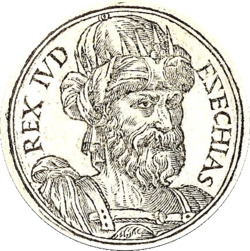
Zedekiah was installed by Babylon as Judah’s final king. His revolt led to Nebuchadnezzar’s siege and destruction of Jerusalem and the First Temple in 586 BCE; Zedekiah was captured, blinded, and taken to Babylon.
Image source: Zedekiah
931 BCE - 910 BCE
% complete
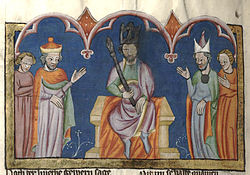
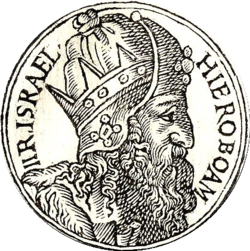
Jeroboam I became the first king of the northern Kingdom of Israel. He established royal sanctuaries at Bethel and Dan, creating an alternative cultic system that biblical writers portray as a defining sin of the northern monarchy.
Image source: Jeroboam
910 BCE - 909 BCE
% complete
Nadab, son of Jeroboam I, ruled Israel briefly. He continued his father’s dynasty and was assassinated by Baasha during a campaign against the Philistines.
909 BCE - 886 BCE
% complete
Baasha killed Nadab and the remaining members of Jeroboam’s house, becoming king of Israel. His reign continued the northern kingdom’s political and religious policies while maintaining conflict with Judah.
Image source: Baasha of Israel
886 BCE - 885 BCE
% complete
Elah, son of Baasha, ruled for approximately two years. He was assassinated by his chariot commander Zimri while drinking at Tirzah.
885 BCE
% complete
Zimri seized the throne after killing Elah and exterminated Baasha’s family. His reign lasted only seven days, ending when the army chose Omri and Zimri burned the royal citadel around himself.
Image source: Zimri (king)
885 BCE - 874 BCE
% complete
Omri defeated rival claimant Tibni and founded a durable dynasty. He purchased the hill of Samaria and built it into the capital of Israel, while strengthening the kingdom through diplomacy and regional power.
Image source: Omri
874 BCE - 853 BCE
% complete
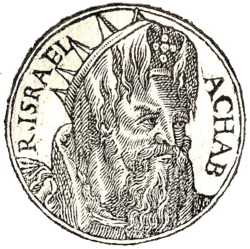
Ahab, son of Omri, ruled during a period of considerable prosperity and military strength. His reign is described in biblical narratives involving Jezebel, the prophet Elijah, the promotion of Baal worship, and conflicts with Aram-Damascus.
Image source: Ahab
853 BCE - 852 BCE
% complete
Ahaziah succeeded Ahab but ruled only briefly. Biblical accounts associate his reign with continued Baal worship and a fatal illness after an accident.
Image source: Ahaziah of Israel
852 BCE - 841 BCE
% complete
Joram, another son of Ahab, fought Moab and Aram-Damascus. He was killed by Jehu in a coup that ended the Omride dynasty and transformed Israel’s political and religious direction.
841 BCE - 814 BCE
% complete
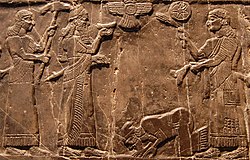
Jehu seized Israel’s throne by killing Joram, Queen Jezebel, and members of the Omride family. He also destroyed the Baal cult in Samaria, although biblical evaluation still criticizes him for retaining the northern sanctuaries.
Image source: Jehu
814 BCE - 798 BCE
% complete
Jehoahaz inherited a weakened Israel during pressure from Aram-Damascus. The biblical account presents his reign as a period of military hardship, while recording eventual divine relief for the northern kingdom.
Image source: Jehoahaz of Israel
798 BCE - 782 BCE
% complete
Jehoash, also called Joash, recovered territory from Aram-Damascus and defeated Judah in battle. He is also remembered for visiting the prophet Elisha during the prophet’s final illness.
Image source: Jehoash of Israel
793 BCE - 753 BCE
% complete
Jeroboam II presided over one of Israel’s most prosperous periods. The kingdom expanded its borders, but prophets Amos and Hosea condemned the social inequality, corruption, and religious unfaithfulness associated with the era.
Image source: Jeroboam II
753 BCE - 752 BCE
% complete
Zechariah, son of Jeroboam II, ruled Israel for only six months. His assassination by Shallum fulfilled the biblical prediction that Jehu’s dynasty would last four generations.
Image source: Book of Zechariah
752 BCE - 742 BCE
% complete
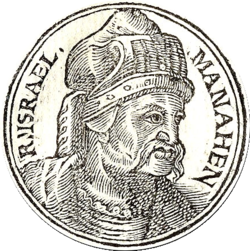
Menahem consolidated power through severe violence and paid tribute to the Assyrian king Tiglath-Pileser III. His reign marked Israel’s increasing dependence on the expanding Assyrian Empire.
Image source: Menahem
752 BCE
% complete
Shallum killed Zechariah and became king, but his reign lasted approximately one month. Menahem assassinated him and took the throne.
Image source: Shallum of Israel
742 BCE - 740 BCE
% complete
Pekahiah succeeded his father Menahem but ruled for only about two years. He was assassinated by Pekah, one of his military officers.
Image source: Pekahiah
740 BCE - 732 BCE
% complete
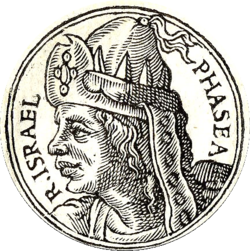
Pekah opposed Assyria and joined with Rezin of Aram-Damascus against Judah, provoking the Syro-Ephraimite War. Assyrian intervention reduced Israel’s territory, and Pekah was eventually assassinated by Hoshea.
Image source: Pekah
732 BCE - 722 BCE
% complete
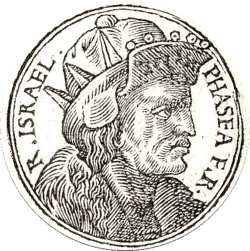
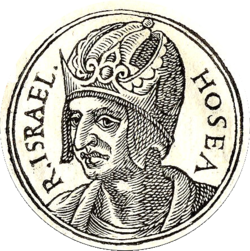
Hoshea was the final king of the northern Kingdom of Israel. After withholding tribute and seeking support from Egypt, he faced an Assyrian campaign; Samaria fell and the northern kingdom was annexed in 722 BCE.
Image source: Hoshea
586 BCE
% complete
Babylonian forces captured Jerusalem, destroyed the First Temple, dismantled the city’s defenses, and deported much of Judah’s population. The Davidic monarchy ended as an independent institution, while traditions of kingship continued through later Jewish hopes for restoration.
Image source: Siege of Jerusalem (587 BC)
Or browse the full history timeline directory, with more than 2,000 topics.
This Kings of Israel and Judah timeline was generated with the help of AI, using information found on the internet.
We work hard to keep these timelines accurate, but mistakes do get through. If you spot one, email us at [email protected] and we'll fix it for future visitors.
Generate yours with AI or build it from scratch, for free.
Export your timeline, add your own events, edit or remove AI-generated events, and much more
No credit card required.
Cancel anytime.
Cancel anytime.
You can create an unlimited number of timelines with up to 10 events on each one, customize how they look, export them to PDF, PNG, PowerPoint, CSV, and Excel, and share them with a link. Paid plans raise the event limit and add features like spreadsheet imports and collaborators.
Yes. You can cancel your subscription from your account page at any time, and you will not be charged again. Your subscription stays active for the rest of the period you already paid for.
Yes. We will email you a reminder before the annual renewal, and we will also email you a receipt.
Yes. You can email us within 15 days of any payment, and we will issue you a full refund.
Check out our pricing docs or send us an email anytime: [email protected].