-
Use Cases
-
Resources
-
Pricing
1415
Portugal's conquest of Ceuta in North Africa began its sustained expansion along the African coast and into Atlantic commerce. The campaign helped connect Iberian military ambitions with the search for gold, labor, and maritime routes.
Image source: Portuguese conquest of Ceuta
1434 - 1488
Portuguese voyages around West Africa, accelerated after Gil Eanes passed Cape Bojador in 1434, established maritime knowledge, trading posts, and contact with African states. Captive Africans were increasingly transported to Iberia during this period.
Image source: Portuguese maritime exploration
1441
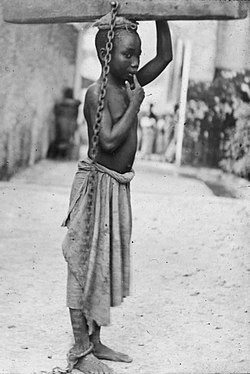
In 1441, Portuguese navigators brought captive Africans to Portugal after expeditions along the West African coast. This event is often treated as an early milestone in the development of the Atlantic slave trade, although enslavement already existed in African, Mediterranean, and other societies.
Image source: Atlantic slave trade
1452 - 1456
Papal documents including Dum Diversas and Romanus Pontifex authorized Portuguese conquest and enslavement of non-Christian peoples in contested regions. Later European powers invoked similar religious and legal ideas to justify imperial expansion and human trafficking.
1486
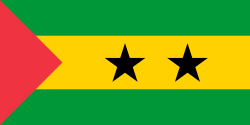
Portuguese colonization of São Tomé developed sugar plantations worked largely by enslaved Africans. The island became an important laboratory for plantation organization, racialized coercion, and sugar production later replicated in the Americas.
Image source: São Tomé and Príncipe
Jun 7, 1494
Spain and Portugal divided much of the non-European world between themselves through the Treaty of Tordesillas. The agreement shaped early colonial claims and helped place Brazil within Portugal's sphere, with major consequences for the expansion of slavery.
Image source: Treaty of Tordesillas
1502
Enslaved Africans were brought to Hispaniola and other Caribbean colonies during the first decades of Spanish colonization. Their labor supported mining, ranching, domestic work, and plantation production as Indigenous populations suffered catastrophic demographic decline.
1518
The Spanish Crown authorized the direct shipment of enslaved Africans to the Americas in 1518. Crown licenses, later known as asientos, turned the trafficking of Africans into a regulated imperial revenue system and expanded forced labor in Spanish America.
1519 - 1521
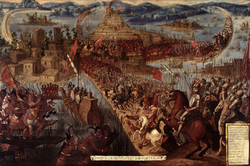
The Spanish conquest of the Aztec Empire brought Mexico into the Spanish imperial system. Colonial mining, agriculture, and domestic labor relied on Indigenous coercion and increasingly on enslaved Africans, helping broaden the Atlantic economy.
Image source: Spanish conquest of the Aztec Empire
1532
Portugal established a permanent colonial foothold in Brazil in the 1530s. Sugar plantations first exploited Indigenous labor and then increasingly depended on enslaved Africans, making Brazil the largest and longest-lasting destination of Atlantic slave shipments.
Image source: Colonial Brazil
1562
John Hawkins's voyage of 1562–1563 marked England's early direct participation in the Atlantic slave trade. English merchants later expanded their role through private commerce, chartered companies, and plantation colonies in the Caribbean and North America.
1637
The Dutch seized Elmina Castle from Portugal in 1637. Control of this major West African fort gave the Dutch West India Company a strategic base for purchasing and exporting enslaved Africans to plantations in the Americas.
Image source: Dutch Gold Coast
1640 - 1680
Barbados shifted rapidly from diversified farming to sugar production during the seventeenth century. The plantation economy depended on imported enslaved labor, generated immense profits, and helped establish the racial and legal structures of British Caribbean slavery.
Image source: History of Barbados
1651
England's Navigation Act sought to channel colonial trade through English shipping and merchants. The wider mercantilist system supported plantation commodities and strengthened England's commercial participation in the Atlantic slave trade.
Image source: Navigation Acts
1672
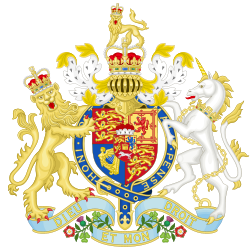
The Royal African Company received an English charter to trade along the West African coast. It built forts, purchased captives, and transported tens of thousands of enslaved Africans to English colonies before losing its monopoly in the late seventeenth century.
Image source: Royal African Company
1705
Virginia's 1705 comprehensive slave code consolidated racialized hereditary slavery. It restricted movement, property, testimony, and legal rights, illustrating how colonial governments transformed enslavement into a permanent and inheritable institution.
1713 - 1750
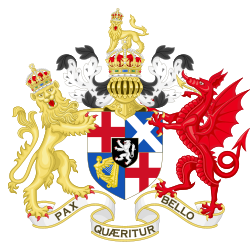
The Treaty of Utrecht granted Britain and the South Sea Company the asiento, or contract to supply enslaved Africans to Spanish America. The arrangement linked diplomacy, finance, and imperial rivalry to the expanding trafficking system.
Image source: South Sea Company
1514
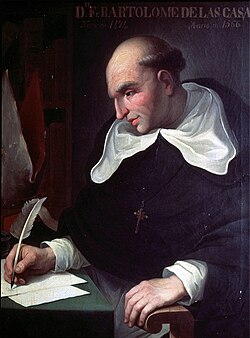
Bartolomé de las Casas renounced his encomienda and became a prominent critic of Spanish abuses against Indigenous peoples. Although his early proposals sometimes accepted African enslavement, his later work helped advance arguments about the humanity and rights of oppressed peoples.
Image source: Bartolomé de las Casas
1522
Enslaved workers rebelled on the Caribbean island of Hispaniola in 1522, one of the earliest recorded African-led uprisings in the Americas. Such resistance took many forms, including revolt, flight, sabotage, work slowdowns, and the preservation of cultural traditions.
Sep 9, 1739
Enslaved people in South Carolina launched the Stono Rebellion, marching toward Spanish Florida and freedom. Colonial authorities suppressed the uprising and responded with harsher controls, including restrictions on movement, assembly, education, and African cultural practices.
1758
Philadelphia Quakers formally disciplined members who participated in slavery and the slave trade. Quaker activism helped develop organized antislavery networks, petitions, schools, and arguments that influenced later abolition campaigns.
Jun 22, 1772
England's Court of King's Bench ruled that James Somerset could not be forcibly removed from England to be sold abroad. The judgment did not abolish slavery throughout the British Empire, but it became an important symbol and legal resource for abolitionists.
Image source: Somerset v Stewart
1775 - 1783
The American Revolution produced conflicting claims about liberty and slavery. Thousands of enslaved people sought freedom by joining British or American forces, while northern states began gradual emancipation and the plantation system remained powerful in the South.
Image source: American Revolution
1787
British reformers including Thomas Clarkson and Granville Sharp founded the Society for Effecting the Abolition of the Slave Trade. The organization popularized evidence about the Middle Passage and coordinated petitions, lobbying, and consumer activism.
Image source: Society for Effecting the Abolition of the Slave Trade
1788
Parliament's Dolben's Act imposed limits on the number of enslaved people British ships could carry and introduced modest requirements concerning crew and conditions. It regulated, rather than ended, the trade and exposed the political force of abolitionist campaigning.
Aug 21, 1791 - Jan 1, 1804
Enslaved people in Saint-Domingue launched the Haitian Revolution, the most successful large-scale revolt against slavery in modern history. The revolution defeated colonial armies, abolished slavery in the territory, and created independent Haiti in 1804.
Image source: Haitian Revolution
Mar 16, 1792 - Jan 1, 1803
Denmark became the first European colonial power to prohibit the transatlantic slave trade, although the ban was delayed until 1803. Danish colonies continued to rely on slavery, demonstrating the distinction between ending the trade and ending slavery itself.
1793 - 1802
Toussaint Louverture emerged as a central leader of the Haitian Revolution and governed much of Saint-Domingue. His leadership helped defeat foreign invasions and defend the emancipation proclaimed during the revolutionary crisis.
Image source: Toussaint Louverture
Feb 4, 1794
The French National Convention abolished slavery in French colonies during the French Revolution. The decree followed revolts and war in the Caribbean, but Napoleon restored slavery in 1802, making the first abolition temporary in most French colonies.
Image source: Abolitionism
Mar 2, 1807 - Jan 1, 1808
The United States enacted legislation prohibiting the importation of enslaved people after January 1, 1808, the earliest date allowed by the Constitution. Illegal trafficking continued, while domestic slave breeding and interstate sales expanded.
Image source: Act Prohibiting Importation of Slaves
Mar 25, 1807 - Mar 25, 1808
Britain's Slave Trade Act of 1807 made participation in the transatlantic slave trade illegal for British subjects. The Royal Navy later pursued suppression patrols, though British colonies continued slavery until emancipation in the 1830s.
Image source: Slave Trade Act 1807
Sep 7, 1822
Brazil declared independence from Portugal while preserving the country's plantation economy and slavery. Brazil continued receiving illegal slave ships for decades and became the last major American society to abolish slavery.
Image source: Independence of Brazil
Aug 1, 1834 - Jul 31, 1838
The Slavery Abolition Act 1833 ended slavery in most British colonies, with an apprenticeship system delaying full freedom for many people until 1838. The act followed decades of resistance by enslaved people and organized abolitionist pressure.
Image source: Slavery Abolition Act 1833
Jul 2, 1839 - Mar 9, 1841
Africans kidnapped for illegal transportation aboard La Amistad revolted and took control of the vessel. The United States Supreme Court ruled in 1841 that the captives were unlawfully enslaved and had the right to resist, leading to their release.
Image source: La Amistad
Apr 27, 1848
The French Second Republic abolished slavery in its colonies in 1848 after renewed abolitionist organizing and revolutionary upheaval. The decree freed hundreds of thousands of enslaved people in territories including Martinique, Guadeloupe, and French Guiana.
Sep 4, 1850
Brazil's Eusébio de Queirós Law prohibited the Atlantic importation of enslaved Africans. Enforcement sharply reduced new arrivals, but slavery inside Brazil continued through domestic sales, coercion, and plantation labor.
Apr 12, 1861 - Apr 9, 1865
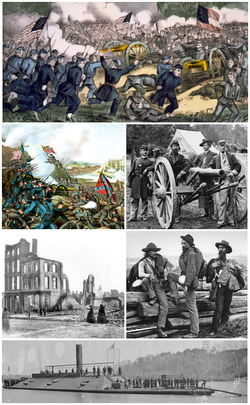
The American Civil War centered on the future of slavery and the Union. Enslaved people's flight, labor, intelligence, and military service profoundly shaped the conflict and turned emancipation into a central Union war aim.
Image source: American Civil War
Jan 1, 1863
Abraham Lincoln's Emancipation Proclamation declared enslaved people in rebellious Confederate areas free and authorized Black military enlistment. It transformed the war's political meaning, although it did not immediately apply to all enslaved people.
Image source: Emancipation Proclamation
Dec 6, 1865
The Thirteenth Amendment abolished slavery and involuntary servitude in the United States except as punishment for crime. Its ratification followed emancipation during the Civil War and created a constitutional foundation for challenging forced labor.
Image source: Thirteenth Amendment to the United States Constitution
Oct 7, 1886
Cuba completed the abolition of slavery in 1886 after the gradual emancipation of enslaved people and the end of the patronato apprenticeship system. Sugar production continued through exploitative labor arrangements after formal emancipation.
Image source: Slavery in Cuba
May 13, 1888
Brazil's Lei Áurea, or Golden Law, abolished slavery without compensation to slaveholders. Brazil became the last country in the Americas to end the institution, following sustained resistance by enslaved people, abolitionist campaigns, and military and political pressure.
Image source: Lei Áurea
1700 - 1807
During the eighteenth century, European merchants carried manufactured goods to Africa, captive Africans to the Americas, and plantation commodities to Europe. The pattern was not a single fixed route, but a broad commercial system that enriched port cities and plantation owners.
Image source: Triangular trade
Sep 25, 1926
The League of Nations adopted the Slavery Convention, defining slavery and committing states to suppress it. Although implementation was uneven and forced labor persisted, the convention established an important international framework against slavery.
Dec 10, 1948
The Universal Declaration of Human Rights proclaimed that no one shall be held in slavery or servitude. Its language connected the history of enslavement to a modern international human-rights framework.
Image source: Universal Declaration of Human Rights
1994
UNESCO launched the Slave Route Project to research and publicize the history of the transatlantic slave trade, slavery, resistance, and their continuing consequences. The initiative emphasized African agency and the global nature of the system.
Aug 31, 2001 - Sep 8, 2001
The 2001 Durban conference recognized slavery and the transatlantic slave trade as morally outrageous and significant sources of contemporary racism. Governments debated acknowledgment, responsibility, reparations, and the continuing effects of racial inequality.
Aug 23, 2004
UNESCO established August 23 as the International Day for the Remembrance of the Slave Trade and its Abolition. The date commemorates the beginning of the Haitian Revolution and encourages public education about resistance and emancipation.
Jan 1, 2015 - Dec 31, 2024
The United Nations launched the International Decade for People of African Descent under the themes of recognition, justice, and development. It drew attention to the historical legacy of slavery, racial discrimination, and the rights of people of African descent.
Or browse the full history timeline directory, with more than 2,500 topics.
This Atlantic Slave Trade timeline was generated with the help of AI, using information found on the internet.
We work hard to keep these timelines accurate, but mistakes do get through. If you spot one, email us at [email protected] and we'll fix it for future visitors.
Generate yours with AI or build it from scratch, for free.
Export your timeline, add your own events, edit or remove AI-generated events, and much more
No credit card required.
Cancel anytime.
Cancel anytime.
You can create an unlimited number of timelines with up to 10 events on each one, customize how they look, export them to PDF, PNG, PowerPoint, CSV, and Excel, and share them with a link. Paid plans raise the event limit and add features like spreadsheet imports and collaborators.
Yes. You can cancel your subscription from your account page at any time, and you will not be charged again. Your subscription stays active for the rest of the period you already paid for.
Yes. We will email you a reminder before the annual renewal, and we will also email you a receipt.
Yes. You can email us within 15 days of any payment, and we will issue you a full refund.
Check out our pricing docs or send us an email anytime: [email protected].