-
Use Cases
-
Resources
-
Pricing
1300 - 1500
From roughly 1300 to 1500, the Hanseatic League controlled the trade of furs from Russia and Scandinavia into western Europe, making pelts such as squirrel and ermine staples of medieval commerce. This dominance shaped European demand for luxury furs that would later drive exploration westward.
Image source: Hanseatic League

Jun 24, 1497
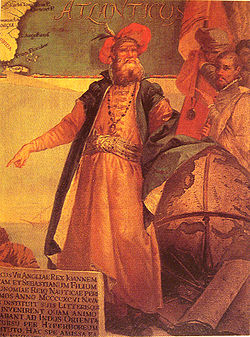
Sailing under the English flag, John Cabot reached North America in 1497 and reported rich fisheries and plentiful fur-bearing animals along the coast. His voyage alerted Europe to the commercial potential of the North Atlantic, laying groundwork for later fur-trading ventures.
Image source: John Cabot
1534
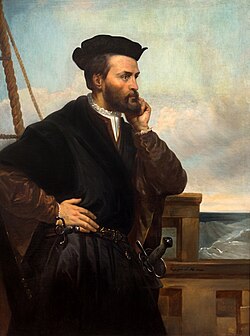
French explorer Jacques Cartier traded iron goods for furs with Indigenous peoples along the St. Lawrence River in 1534–1535. His exchanges marked the beginning of sustained Franco-Indigenous commercial relations centered on beaver pelts.
Image source: Jacques Cartier
1550
In the mid-sixteenth century, felted beaver fur became the material of choice for fashionable European hats. Explosive demand for beaver pelts created powerful economic incentives that drove French, English, and Dutch traders into North America.
Image source: Beaver hat

Jul 3, 1608
Samuel de Champlain founded Quebec as a fur-trading post in 1608 and forged military and commercial alliances with the Huron and Algonquin peoples. These partnerships gave France access to vast networks of Indigenous trappers across the Great Lakes region.
Image source: Samuel de Champlain

1621
The Dutch West India Company, chartered in 1621, made beaver pelts the economic backbone of New Netherland. Trading posts on the Hudson River, including Fort Orange near present-day Albany, became major hubs where Dutch merchants exchanged goods with Iroquois trappers.
Image source: Dutch West India Company

Apr 29, 1627
Cardinal Richelieu chartered the Company of One Hundred Associates in 1627, granting it a monopoly over the fur trade of New France in exchange for colonization obligations. The company struggled against English attacks and competition but entrenched state-sponsored fur commerce.
Image source: Company of One Hundred Associates

1659 - 1660
Pierre-Esprit Radisson and Médard des Groseilliers journeyed deep into the Great Lakes and beyond between 1659 and 1660, returning to Montreal with a huge cargo of prime furs. Their exploits demonstrated the riches of the interior and set the stage for new trading companies.
Image source: Pierre-Esprit Radisson

1672 - 1698
Under Governor Louis de Buade de Frontenac, independent French traders known as coureurs des bois ranged widely through the interior, bypassing colonial regulations. Their journeys spread the fur trade across the Mississippi Valley and intensified rivalry with English interests.
Image source: Coureur des bois

1682
René-Robert Cavelier, Sieur de La Salle, descended the Mississippi River to its mouth in 1682, claiming the Louisiana territory for France. His expeditions opened southern waterways that could carry furs from the continental interior to Gulf ports.
Image source: René-Robert Cavelier, Sieur de La Salle

This History of the Fur Trade timeline was generated with the help of AI, using information found on the internet.
We work hard to keep these timelines accurate, but mistakes do get through. If you spot one, email us at [email protected] and we'll fix it for future visitors.
Generate yours with AI or build it from scratch, for free.