-
Use Cases
-
Resources
-
Pricing
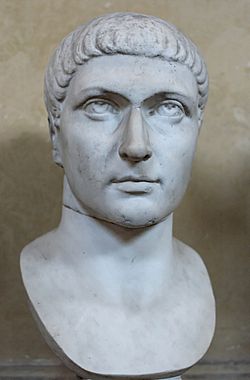
The Edict of Milan was a proclamation issued in 313 AD by Roman emperors Constantine I and Licinius that granted religious tolerance throughout the Roman Empire, effectively legalizing Christianity and returning confiscated property to Christians. It marked a turning point in the history of Christianity and the Roman Empire. More Less
Jan 1, 250 - Jun 1, 251
Emperor Decius ordered all inhabitants of the empire to sacrifice to the Roman gods and obtain a certificate confirming they had done so. This was the first empire-wide persecution targeting all citizens, forcing Christians to choose between apostasy and death.
Image source: Decian persecution

Jan 1, 257 - Jan 1, 260
Emperor Valerian intensified persecution by banning Christian worship and executing clergy and prominent laypeople, including Pope Sixtus II and St. Lawrence. His capture by the Persians in 260 ended the campaign, and his son Gallienus restored a period of tolerance.
Image source: Persecution of Christians in the Roman Empire
Feb 23, 303
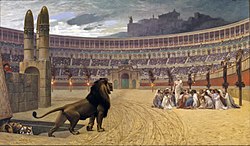
Emperor Diocletian issued an edict destroying churches and scriptures, launching the Great Persecution, the most severe and systematic assault on Christianity in Roman history. Later edicts ordered the arrest of clergy and required universal sacrifice to the pagan gods.
Image source: Diocletianic Persecution

Jan 1, 311 - Apr 30, 313
Following Galerius's death, Maximinus Daza resumed persecution in the eastern provinces, attempting to revive paganism and suppress Christianity until his defeat by Licinius shortly before the Edict of Milan.
Image source: Maximinus Daza

Apr 30, 311
On his deathbed, Emperor Galerius issued the Edict of Serdica (also known as the Edict of Toleration), ending the Great Persecution and granting Christians the right to exist and worship freely, provided they did not disturb public order.
Image source: Edict of Serdica

Jul 18, 64
The Great Fire of Rome devastated much of the city, and Emperor Nero blamed Christians for the blaze. This led to the first recorded state-sponsored persecution of Christians in the Roman Empire, establishing a pattern of hostility that would persist intermittently for over two centuries.
Image source: Great Fire of Rome

Oct 28, 312
Constantine defeated his rival Maxentius at the Milvian Bridge outside Rome, reportedly after a vision of the Christian sign. The victory made him sole ruler of the Western Roman Empire and convinced him that the Christian God favored his cause.
Image source: Battle of the Milvian Bridge

Jan 1, 320 - Sep 1, 324
Growing tensions between Constantine and Licinius led the latter to quietly resume restrictions on Christians in his territories, dismissing Christian officials and harassing churches, which gave Constantine a religious pretext for their final conflict.
Image source: Licinius

Sep 3, 324
Constantine decisively defeated Licinius at Chrysopolis, becoming sole emperor of the Roman Empire. He reaffirmed the policy of Christian toleration across both halves of the empire, consolidating the gains made since the Edict of Milan.
Image source: Civil wars of the Tetrarchy

Jan 1, 313 - Jan 1, 411
With persecution over, disputes over how to treat lapsed Christians who had compromised under pressure led to the Donatist schism in North Africa. Constantine intervened in church affairs, setting a precedent for imperial involvement in ecclesiastical matters.
Image source: Donatism

This Edict of Milan timeline was generated with the help of AI, using information found on the internet.
We work hard to keep these timelines accurate, but mistakes do get through. If you spot one, email us at [email protected] and we'll fix it for future visitors.
Generate yours with AI or build it from scratch, for free.