-
Use Cases
-
Resources
-
Pricing
Antiseptics are substances that prevent the growth of disease-causing microorganisms on living tissue. The history of antiseptics traces humanity's long battle against infection, from early civilizations using honey, wine, and tar to treat wounds, to the groundbreaking 19th-century work of Ignaz Semmelweis and Joseph Lister. Lister's application of carbolic acid (phenol) to surgical procedures in the 1860s established antisepsis as a cornerstone of modern medicine, dramatically reducing post-surgical infections and mortality rates. More Less
400 BC
% complete
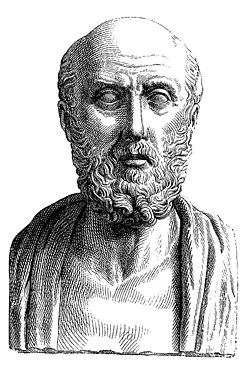
Hippocrates recommended cleansing wounds with boiled water or wine and using dry dressings, recognizing intuitively that certain substances reduced putrefaction long before germ theory explained why.
Image source: Hippocrates
169
% complete
Roman physician Galen treated gladiatorial wounds at Pergamon using wine and vinegar washes. His influential writings promoted these practices for centuries, though he also mistakenly believed pus formation was beneficial to healing.
Image source: Galen
1025
% complete
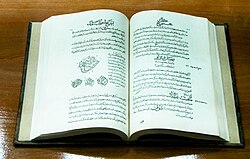
In The Canon of Medicine, Persian physician Avicenna described the use of wine and other agents for cleaning wounds and emphasized preventing contamination of injuries, influencing Islamic and European medicine for centuries.
Image source: The Canon of Medicine
1363
% complete
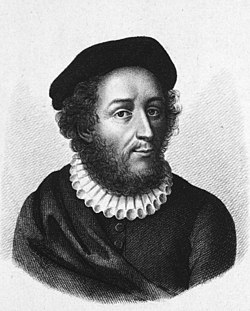
French surgeon Guy de Chauliac wrote Chirurgia Magna, a comprehensive surgical text recommending wine as a cleansing agent for wounds, preserving classical antiseptic knowledge through the medieval period.
Image source: Guy de Chauliac
1527
% complete
Swiss alchemist Paracelsus advanced chemical approaches to medicine, including mercury compounds for wounds and disease. His work helped shift medicine toward chemical therapeutics that later included antiseptic substances.
Image source: Paracelsus
1537
% complete
After running out of boiling oil during a campaign, French barber-surgeon Ambroise Paré treated gunshot wounds with a gentle turpentine, rose oil, and egg yolk mixture, observing better outcomes and helping reform brutal traditional wound cauterization practices.
Image source: Ambroise Paré
1658
% complete
Jesuit scholar Athanasius Kircher examined blood of plague victims under a microscope and proposed that invisible living creatures caused disease, an early speculative step toward germ theory that would eventually justify antisepsis.
Image source: Athanasius Kircher
1676
% complete
Using his handcrafted microscopes, Dutch scientist Anton van Leeuwenhoek observed 'animalcules' — bacteria and protozoa — becoming the first person to see microorganisms, opening the door to understanding microbial causes of infection.
Image source: Antonie van Leeuwenhoek
1750
% complete
British army physician John Pringle published Observations on the Diseases of the Army, coining the term 'antisepsis' and noting that substances like camphor and Peruvian bark slowed putrefaction, an early systematic study of decay prevention.
Image source: Sir John Pringle, 1st Baronet
1859
% complete
Louis Pasteur's elegant swan-neck flask experiments demonstrated that microorganisms come from the air rather than arising spontaneously, establishing the scientific foundation upon which antiseptic surgery would be built.
Image source: Spontaneous generation
1876
% complete
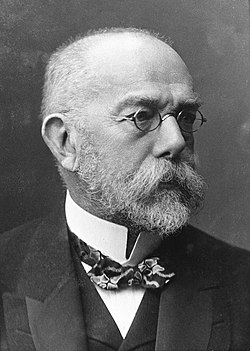
Robert Koch identified Bacillus anthracis as the cause of anthrax and developed methods for growing and staining bacteria, providing rigorous proof of germ theory and enabling testing of antimicrobial substances.
Image source: Robert Koch
1881
% complete
At the London International Medical Congress, Robert Koch presented experiments showing that phenol and other chemical agents killed anthrax spores, giving scientific validation to antiseptic practice and inspiring comparative studies of disinfectants.
Image source: Phenol
1843
% complete
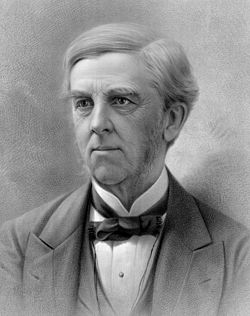
American physician Oliver Wendell Holmes published The Contagiousness of Puerperal Fever, arguing that doctors carried the deadly infection between patients, providing early evidence that cleanliness could save lives decades before germ theory.
Image source: Oliver Wendell Holmes Sr.
May 1847
% complete
Hungarian physician Ignaz Semmelweis discovered that requiring doctors to wash hands in chlorinated lime solution before deliveries slashed mortality from puerperal fever in Vienna's maternity ward from around 18% to under 2%, though his findings were largely rejected by contemporaries.
Image source: Ignaz Semmelweis
Aug 12, 1865
% complete
Inspired by Pasteur's germ theory, British surgeon Joseph Lister treated a compound fracture with carbolic acid (phenol) dressings in Glasgow, successfully preventing infection and inaugurating the era of antiseptic surgery.
Image source: Joseph Lister
1867
% complete
Lister published his famous paper in The Lancet describing the antiseptic principle in surgery, reporting dramatically lower rates of gangrene and sepsis when wounds and instruments were treated with carbolic acid.
1871
% complete
Lister adopted a machine that sprayed a fine mist of dilute carbolic acid over the operating field to disinfect the air, an elaborate practice later abandoned as emphasis shifted to sterilizing instruments, hands, and dressings.
1889
% complete
Surgeon William Stewart Halsted commissioned Goodyear to make thin rubber gloves for his scrub nurse (and future wife) Caroline Hampton, protecting her skin from mercuric chloride antiseptics; gloves quickly became standard, further reducing surgical infections.
Image source: William Stewart Halsted
1890
% complete
German surgeon Ernst von Bergmann introduced aseptic technique, sterilizing instruments and dressings with steam rather than relying solely on chemical antiseptics, shifting operating rooms from antisepsis toward complete sterility.
Image source: Ernst von Bergmann
1981
% complete
The U.S. Centers for Disease Control issued landmark guidelines promoting handwashing and antiseptic hand hygiene as the single most important measure to prevent healthcare-associated infections, cementing antiseptics at the heart of public health policy.
Image source: Hand washing
1880
% complete
Mercuric chloride solutions became a mainstay antiseptic in hospitals for irrigating wounds and soaking instruments, despite toxicity concerns that would eventually lead to safer alternatives like mercurochrome and thimerosal.
Image source: Mercury(II) chloride
1908
% complete
Building on earlier observations of iodine's power against microbes, clinicians standardized tinctures of iodine for preoperative skin preparation and wound treatment; iodine's broad-spectrum efficacy made it one of the most trusted antiseptics of the twentieth century.
Image source: Iodophor
1918
% complete
Mercurochrome, a mercury-containing dye sold as Mercurochrome, became ubiquitous in American home medicine cabinets as a painless red antiseptic, remaining popular until regulatory concerns about mercury led to its decline in the late twentieth century.
Image source: Merbromin
1920
% complete
Dilute hydrogen peroxide became a household and clinical favorite for cleaning cuts, its fizzing action seeming to cleanse wounds, though later research showed it damages healthy tissue and is best reserved for limited uses.
Image source: Hydrogen peroxide
Sep 3, 1928
% complete
Alexander Fleming noticed that Penicillium mold killed bacteria in his London laboratory, discovering penicillin. Though an antibiotic rather than a topical antiseptic, it revolutionized infection control and complemented antiseptic practices worldwide.
Image source: Penicillin
1954
% complete
Developed in Britain by Imperial Chemical Industries, chlorhexidine proved a powerful, persistent, and low-toxicity antiseptic. It became a gold standard for surgical scrubs, skin preparation, and oral rinses, and remains essential today.
Image source: Chlorhexidine
1955
% complete
Povidone-iodine combined iodine with a soluble polymer carrier, releasing iodine slowly and reducing irritation and staining. Marketed as Betadine, it became one of the most widely used antiseptics for skin prep and wound care.
Image source: Povidone-iodine
1960
% complete
Alcohol-based hand rubs were increasingly studied and adopted in Europe and beyond as fast-acting, effective alternatives to soap and water for healthcare hand hygiene, foreshadowing their central role in modern infection control.
Image source: Hand sanitizer
2014 - 2016
% complete
Growing evidence of triclosan's hormonal effects, environmental persistence, and possible role in antibacterial resistance prompted regulators, including the U.S. FDA, to ban it and many other active ingredients from consumer antiseptic wash products in 2016, reshaping the industry.
Image source: Triclosan
Or browse the full history timeline directory, with more than 2,000 topics.
This History of Antiseptics timeline was generated with the help of AI, using information found on the internet.
We work hard to keep these timelines accurate, but mistakes do get through. If you spot one, email us at [email protected] and we'll fix it for future visitors.
Generate yours with AI or build it from scratch, for free.
Export your timeline, add your own events, edit or remove AI-generated events, and much more
No credit card required.
Cancel anytime.
Cancel anytime.
You can create an unlimited number of timelines with up to 10 events on each one, customize how they look, export them to PDF, PNG, PowerPoint, CSV, and Excel, and share them with a link. Paid plans raise the event limit and add features like spreadsheet imports and collaborators.
Yes. You can cancel your subscription from your account page at any time, and you will not be charged again. Your subscription stays active for the rest of the period you already paid for.
Yes. We will email you a reminder before the annual renewal, and we will also email you a receipt.
Yes. You can email us within 15 days of any payment, and we will issue you a full refund.
Check out our pricing docs or send us an email anytime: [email protected].