-
Use Cases
-
Resources
-
Pricing
The history of Christmas traces the evolution of the Christian celebration of Jesus Christ's birth, blending religious observances with ancient pagan winter traditions. Over two millennia, customs like gift-giving, Christmas trees, and Santa Claus developed across cultures, transforming December 25 into one of the world's most widely observed holidays. More Less
Dec 17, 217 BC
The Roman festival of Saturnalia, honoring the god Saturn, was celebrated with feasting, gift-giving, and social role reversals. Many of its customs, including merrymaking in late December, later influenced Christmas traditions.
Image source: Saturnalia

Dec 25, 274
Roman Emperor Aurelian established December 25 as the feast day of Sol Invictus, the 'Unconquered Sun.' This midwinter solar festival coincided with the date later chosen for Christmas.
Image source: Sol Invictus

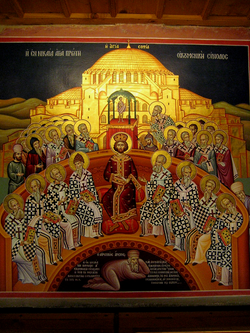
325
The First Council of Nicaea helped standardize Christian doctrine and liturgical practices. While it did not explicitly fix the date of Christmas, this era saw growing consensus around celebrating Christ's nativity on December 25.
Image source: First Council of Nicaea
Dec 25, 336
The first recorded celebration of Christmas on December 25 took place in Rome during the reign of Emperor Constantine. The date may have been chosen to coincide with existing pagan solstice festivals.
Image source: Christmas

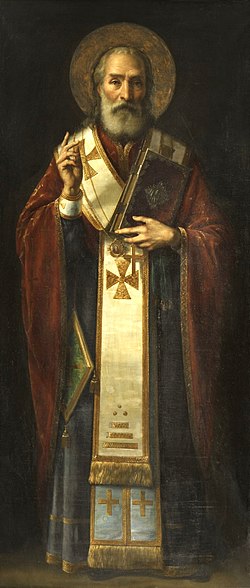
343
Saint Nicholas, the 4th-century Greek bishop of Myra known for his generosity and secret gift-giving, became one of Christianity's most venerated saints and the inspiration for Santa Claus.
Image source: Saint Nicholas
354
The Chronography of 354, a Roman calendar document, listed December 25 as the feast of the Nativity of Jesus Christ, marking Christmas's formal establishment in the Western church calendar.
Image source: Chronograph of 354

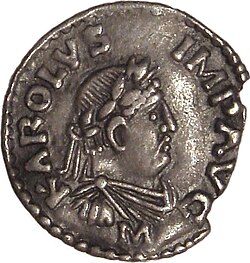
Dec 25, 800
Pope Leo III crowned Charlemagne as Holy Roman Emperor on Christmas Day in St. Peter's Basilica, elevating the holiday's symbolic importance in medieval European political culture.
Image source: Charlemagne
1160
The Feast of Fools was a medieval festival held around January 1 featuring mock ceremonies and social inversion by lower clergy. It reflected the rowdy, carnival-like character of the medieval Christmas season.
Image source: Feast of Fools

1223
St. Francis of Assisi staged the first live Nativity scene in Greccio, Italy, using real animals and people to depict the birth of Jesus. The tradition spread throughout Europe and remains central to Christmas observance.
Image source: Nativity scene

1350
During the 14th century, Christmas carols flourished as communal songs of celebration. Groups of wassailers traveled door to door singing, blending religious themes with festive merriment.
Image source: Christmas carol

This History of Christmas timeline was generated with the help of AI, using information found on the internet.
We work hard to keep these timelines accurate, but mistakes do get through. If you spot one, email us at [email protected] and we'll fix it for future visitors.
Generate yours with AI or build it from scratch, for free.