
-
Use Cases
-
Resources
-
Pricing
The history of cocktails traces the evolution of mixed alcoholic drinks from their early 19th-century American beginnings, through the golden age of speakeasies during Prohibition, to today's global craft cocktail renaissance. This timeline highlights key moments that shaped cocktail culture, including iconic drink inventions, influential bartenders, and changing drinking trends across two centuries. More Less
May 13, 1806
% complete
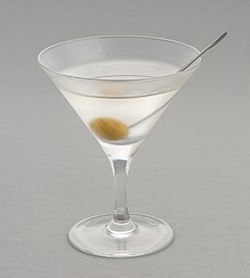
The Hudson, New York newspaper The Balance and Columbian Repository published the first known definition of a cocktail: 'a stimulating liquor composed of spirits of any kind, sugar, water, and bitters.' This letter from editor Harry Croswell is often cited as the birth certificate of the cocktail as a distinct drink category.
Image source: Cocktail
Jan 1, 1850
% complete
Antoine Peychaud, a Creole apothecary in New Orleans, served brandy cocktails with his own bitters at his pharmacy. The drink evolved into the Sazerac, made with rye whiskey, absinthe, sugar, and Peychaud's bitters, becoming one of America's first signature cocktails.
Image source: Sazerac
Jan 1, 1862
% complete
Jerry Thomas, often called the father of American mixology, published 'How to Mix Drinks; or, The Bon Vivant's Companion,' the first major bartending compendium. It codified hundreds of recipes including the Tom Collins, Flip, and Crusta, professionalizing bartending for generations to come.
Jan 1, 1880
% complete
Patrons at Louisville's Pendennis Club allegedly requested whiskey in the old-fashioned manner—spirits, sugar, bitters, and water—giving rise to the Old Fashioned. It became an enduring symbol of classic American mixology and remains one of the most popular cocktails today.
Image source: Old fashioned (cocktail)
Jan 1, 1880 - Dec 31, 1899
% complete
During the late nineteenth century, the Manhattan and the Martini rose to prominence in New York's hotels and clubs. These spirit-forward stirred drinks defined sophisticated urban drinking and established gin and vermouth as foundational cocktail ingredients.
Image source: Martini (cocktail)
Jan 1, 1882
% complete
German-born bartender Harry Johnson published his influential 'Bartenders' Manual,' expanding on Jerry Thomas's work with detailed guidance on bar management and dozens of new recipes, further professionalizing the trade during America's golden age of saloons.
Image source: Harry Johnson (bartender)
Jan 1, 1911
% complete
Harry MacElhone took over a Parisian bar that became Harry's New York Bar, a haven for expatriate Americans. It was credited with creating or popularizing the Sidecar, Bloody Mary, and French 75, making it a legendary incubator of classic cocktails.
Image source: Harry's New York Bar
Jan 1, 1920
% complete
Cognac, orange liqueur, and lemon juice combined into the Sidecar, reportedly named after a French army officer who arrived at his bar by motorcycle sidecar. It became a signature drink of the Roaring Twenties in Europe.
Image source: Sidecar (cocktail)
Jan 1, 1920
% complete
Fernand Petiot, working at Harry's New York Bar in Paris, combined vodka and tomato juice into what became the Bloody Mary. He later refined it with spices at the St. Regis Hotel in New York, creating brunch culture's most famous savory cocktail.
Image source: Bloody Mary (cocktail)
Jan 16, 1920
% complete
As national Prohibition took effect under the Eighteenth Amendment, skilled American bartenders fled to Havana, Paris, London, and beyond, spreading American cocktail culture worldwide and elevating drinking establishments abroad while speakeasies flourished illegally at home.
Image source: Prohibition in the United States
Jan 1, 1930
% complete
Harry Craddock, head bartender at London's Savoy Hotel's American Bar, compiled the Savoy Cocktail Book, documenting over 750 recipes. It preserved countless pre-Prohibition classics and remains a cornerstone reference for bartenders worldwide.
Image source: Savoy Hotel
Dec 5, 1933
% complete
The Twenty-first Amendment repealed national Prohibition, allowing American bars and cocktail lounges to legally reopen. Bartending revived, though many pre-Prohibition techniques and high-quality spirits had been lost, setting the stage for simpler postwar drinks.
Image source: Twenty-first Amendment to the United States Constitution
Jan 1, 1938 - Dec 31, 1948
% complete
The Margarita's exact origin remains disputed, with claims ranging from Carlos 'Danny' Herrera's Rancho La Gloria near Tijuana in 1938 to socialite Margarita Sames in Acapulco in 1948. Whatever its true birthplace, tequila, lime, and orange liqueur became one of the world's most beloved cocktails.
Image source: Margarita
Jan 1, 1933
% complete
Ernest Gantt, known as Donn Beach, opened Don the Beachcomber in Hollywood, serving elaborate rum-based exotic drinks like the Zombie. His complex recipes and Polynesian-themed decor launched the tiki movement that would sweep America.
Image source: Donn Beach
Jan 1, 1934
% complete
Victor Bergeron opened Trader Vic's in Oakland, California, becoming tiki's other founding empire. His rivalry with Donn Beach drove innovation in exotic drinks, food, and immersive restaurant design across the globe.
Image source: Trader Vic's
Jan 1, 1934
% complete
Donn Beach blended three kinds of rum, falernum, lime, and other secret ingredients into the potent Zombie, famously limited to two per customer. Its theatrical power exemplified tiki's escapism and mystique.
Image source: Zombie (cocktail)
Jan 1, 1941
% complete
Created at Los Angeles's Cock 'n' Bull pub through a marketing collaboration between ginger beer and Smirnoff vodka distributors, the Moscow Mule—served in a distinctive copper mug—helped transform vodka from obscure spirit to American staple.
Image source: Moscow mule
Jan 1, 1944
% complete
Victor Bergeron crafted the Mai Tai using aged Jamaican rum, lime, orange curaçao, orgeat, and rock candy syrup. Though Donn Beach claimed priority, Trader Vic's version became iconic and inspired the song 'Pearly Shells' era lounge culture.
Image source: Mai Tai
Jan 1, 1950 - Dec 31, 1969
% complete
Returning World War II veterans and mid-century prosperity fueled a nationwide obsession with Polynesian-themed restaurants, mugs, and rum drinks like the Blue Hawaiian and Scorpion Bowl. Tiki defined casual American drinking until changing tastes in the late 1960s.
Image source: Tiki culture
Jan 1, 1953
% complete
Ian Fleming's Casino Royale introduced James Bond ordering a Vesper—gin, vodka, and Kina Lillet—and his famous 'shaken, not stirred' martini preference. Bond films cemented the vodka martini's glamorous status for decades.
Image source: Vesper (cocktail)
Jan 1, 1970 - Dec 31, 1979
% complete
The Tequila Sunrise, popularized in 1970s California and immortalized by Mick Jagger and the Eagles, symbolized the era's laid-back, sweet, colorful drinks—a contrast to the refined classics that would return decades later.
Image source: Tequila sunrise
Jan 1, 1975 - Dec 31, 1984
% complete
Drinks like the Harvey Wallbanger, Piña Colada, Sex on the Machine-era sweet sours, and Fuzzy Navel dominated bars, prioritizing sugary convenience over balance. Premade sour mixes eroded craft standards, setting up the backlash to come.
Image source: Harvey Wallbanger
Jan 1, 1987 - Dec 31, 1999
% complete
Popularized in New York by Toby Cecchini and Cheryl Cook before being amplified by Sex and the City, the Cosmopolitan—vodka, triple sec, cranberry, and lime—reintroduced stylish, balanced cocktails to a generation and primed urban America for a revival.
Image source: Cosmopolitan (cocktail)
Jan 1, 1987
% complete
Dale DeGroff began mixing fresh-juice, classically inspired cocktails at New York's Rainbow Room, championing quality ingredients and technique. Known as the King Cocktail, he mentored a generation of bartenders who would lead the craft movement.
Image source: Dale DeGroff
Jan 1, 1996 - Dec 31, 2004
% complete
Bars like Milk & Honey in London and New York, San Francisco's Absinthe, and Seattle's Zig Zag Café rejected sour mixes and artificial ingredients, reviving hand-carved ice, house syrups, and forgotten pre-Prohibition recipes—the start of a global cocktail renaissance.
Image source: Craft cocktail movement
Jan 1, 2005 - Dec 31, 2009
% complete
Books like Gary Regan's guides, Tony Abou-Ganim's television appearances, and blogs such as A Dash of Bitters spread cocktail knowledge widely. Media coverage turned bartenders into celebrities and consumers into enthusiasts.
Jan 1, 2005 - Dec 31, 2015
% complete
Hidden entrances, reservation-only policies, and meticulous attention to detail characterized a wave of speakeasy-inspired bars—from Please Don't Tell in New York to Nightjar in London—making exclusivity and theater central to modern cocktail experiences.
Image source: Speakeasy
Jan 1, 2007 - Dec 31, 2019
% complete
Techniques borrowed from culinary kitchens—including fat-washing pioneered at PDT with Benton's bacon-infused bourbon and clarified milk punch revived from colonial recipes—expanded bartenders' toolkit and blurred the line between kitchen and bar.
Image source: Milk punch
Jan 1, 2009
% complete
William Reed Business Media launched the World's 50 Best Bars ranking, creating global prestige benchmarks for cocktail destinations. The list accelerated international travel around drinking culture and spotlighted cities from Singapore to Mexico City.
Jan 1, 2015 - Dec 31, 2020
% complete
Health-conscious drinkers embraced low-alcohol spritzes, amaro-forward serves, and sophisticated alcohol-free options like Seedlip. Bars added dedicated no- and low-proof sections, proving craft technique could thrive without spirits.
Mar 1, 2020 - Dec 31, 2021
% complete
Bar closures forced innovation: to-go and bottled cocktails became legal lifelines in many jurisdictions, virtual cocktail classes boomed, and home bartending surged, permanently expanding how people consume craft drinks.
Or browse the full history timeline directory, with more than 2,000 topics.
This History of Cocktails timeline was generated with the help of AI, using information found on the internet.
We work hard to keep these timelines accurate, but mistakes do get through. If you spot one, email us at [email protected] and we'll fix it for future visitors.
Generate yours with AI or build it from scratch, for free.
Export your timeline, add your own events, edit or remove AI-generated events, and much more
No credit card required.
Cancel anytime.
Cancel anytime.
You can create an unlimited number of timelines with up to 10 events on each one, customize how they look, export them to PDF, PNG, PowerPoint, CSV, and Excel, and share them with a link. Paid plans raise the event limit and add features like spreadsheet imports and collaborators.
Yes. You can cancel your subscription from your account page at any time, and you will not be charged again. Your subscription stays active for the rest of the period you already paid for.
Yes. We will email you a reminder before the annual renewal, and we will also email you a receipt.
Yes. You can email us within 15 days of any payment, and we will issue you a full refund.
Check out our pricing docs or send us an email anytime: [email protected].