-
Use Cases
-
Resources
-
Pricing
5000 BCE
Gossypium herbaceum may have been domesticated around 5000 BCE in eastern Sudan near the Middle Nile Basin, where cotton cloth was being produced.
Image source: History of cotton

3000 BCE
By 3000 BCE, cotton was being grown and processed in Mexico and Arizona, showing that cotton agriculture and fiber preparation were established in parts of North America.
2500 BCE
Cotton seeds and cordage dating to about 2500 BCE have been found in Peru, documenting the use of cotton for both cultivation and string-making.
500 BCE
In the 5th century BCE, Herodotus described Indian cotton as a wool surpassing sheep's wool in beauty and quality. His wording suggests that cotton fiber was not yet familiar in Greece.
Image source: Herodotus

400 BCE
In the 4th century BCE, cultivation, spinning, and weaving of cotton in Meroë reached a high level, demonstrating the sophistication of cotton technology in ancient Nubia.
Image source: Meroë

500
Handheld roller cotton gins had been used in India since the 6th century. The technology later spread from India to other countries.
Image source: Cotton gin

1100
After the Norman conquest of Sicily, knowledge of cotton weaving spread to northern Italy in the 12th century and subsequently to other parts of Europe.
1100 - 1400
Between the 12th and 14th centuries, dual-roller cotton gins appeared in India and China, improving the separation of cotton fiber from seeds.
1150
The word for cotton entered the Romance languages in the mid-12th century, reflecting the growing circulation of cotton and cotton products in medieval Europe.
1200 - 1700
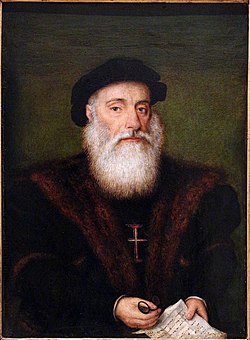
Accounts by Marco Polo, Chinese travelers, Vasco da Gama, and Tavernier praised the quality and superiority of Indian cotton fabrics between the 13th and 17th centuries.
This History of Cotton timeline was generated with the help of AI, using information found on the internet.
We work hard to keep these timelines accurate, but mistakes do get through. If you spot one, email us at [email protected] and we'll fix it for future visitors.
Generate yours with AI or build it from scratch, for free.