-
Use Cases
-
Resources
-
Pricing
3300 BC
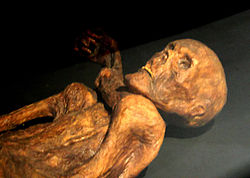
The Copper Age mummy known as Ötzi, discovered in the Alps, wore a carefully sewn cap made from brown bear fur. Dating to about 3300 BC, it is among the oldest surviving examples of a constructed hat and demonstrates that prehistoric clothing included specialized head protection.
Image source: Ötzi
3100 BC - 30 BC
Egyptian rulers used crowns and ceremonial headdresses to express royal authority, religious identity, and political control. The White Crown of Upper Egypt, Red Crown of Lower Egypt, Double Crown, and blue khepresh became enduring symbols of pharaonic power.
700 BC - 300 BC
The petasos was a broad-brimmed Greek traveling hat, usually made from felt or straw. Its practical design protected farmers, travelers, and soldiers from sun and rain, and its association with Hermes helped make it one of the best-known hats of classical antiquity.
Image source: Petasos
500 BC - 300 AD
Romans used the conical pileus as an everyday or ritual cap, while a similar cap became associated with manumission. During the Liberalia ceremony, formerly enslaved people could receive a cap symbolizing their newly acquired freedom.
206 BC - 220 AD
During the Han dynasty, Chinese court and administrative life developed regulated caps and headgear. Their forms, materials, and ornaments communicated rank, ritual status, and membership in the imperial bureaucracy, establishing a long tradition of politically coded headwear.
800 - 1050
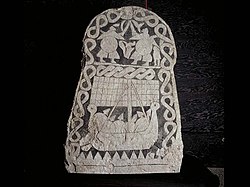
Archaeological finds from Viking-age Scandinavia include woolen and felt caps, often simple close-fitting forms suited to cold maritime climates. These discoveries challenge the later popular image of Vikings routinely wearing horned helmets, which were not normal Viking battle equipment.
Image source: Viking Age
1066 - 1200
The conical nasal helmet seen in the Bayeux Tapestry and other medieval sources became a recognizable form of military head protection in Norman Europe. It combined an iron or steel skull covering with a projecting nasal guard.
1300 - 1450
Late medieval Europeans transformed the hood and its long liripipe into the elaborate chaperon. The fabric could be arranged into a padded or rolled hat-like form, making headwear an important venue for status display and fashionable experimentation.
1400 - 1600
The square academic cap developed from medieval clerical and university headgear, including the biretta. Its stiff, flat top and later tassel became associated with scholarship, examinations, and graduation ceremonies across Europe.
100 BC - 300 AD
The soft, forward-bent Phrygian cap appeared in Greek and Roman artistic representations of Anatolian and eastern peoples. Centuries later, artists and revolutionaries reinterpreted its shape as a symbol of liberty and republicanism.
Image source: Phrygian cap
1830 - 1865
Abraham Lincoln famously wore very tall stovepipe hats, often using them to store papers and letters. His distinctive headwear became part of his public image and remains one of the most recognizable examples of a hat associated with a political leader.
1900 - 2021
Royal Ascot and other British horse-racing meetings preserved elaborate hat traditions after hats declined in everyday Western dress. Wide brims, sculptural fascinators, feathers, and bold colors turned race-day headwear into a highly visible form of social and sartorial display.
Image source: Ascot Racecourse
1920 - 1950
The beret spread from regional European and military use into art, politics, and popular fashion. It became associated with French identity, artists, labor movements, and revolutionary groups, while different colors later marked military and political organizations.
Image source: Beret
1941 - 1945
Wartime shortages and rationing altered hat production in Britain and other countries. Regulations limited materials and decoration, while turbans, headscarves, and practical caps became common for women working in factories, transport, agriculture, and civil defense.
Image source: Utility clothing
1961 - 1963
The compact pillbox hat became strongly associated with Jacqueline Kennedy’s public style after John F. Kennedy’s inauguration. Its clean, modern shape helped symbolize youthful 1960s elegance and demonstrated how a hat could become part of a leader’s visual identity.
1976 - 1985
Punk and new-wave scenes used hats, mohawks, military caps, bondage-inspired headwear, and repurposed materials to challenge mainstream ideas of respectability. Headwear became a conspicuous tool for subcultural identity and anti-establishment performance.
Image source: Punk fashion
1980 - 2000
The bucket hat moved from fishing and military utility into hip-hop, dancehall, rave, and streetwear cultures. Its association with performers and youth communities helped turn a soft brimmed hat into a recurring global fashion trend.
Image source: Bucket hat
1485 - 1603
Tudor England used a wide range of caps, coifs, bonnets, and hoods. Portraits of Henry VIII, Elizabeth I, and their courts show how structured headwear, jeweled ornaments, and feathers communicated gender, wealth, office, and allegiance.
1500 - 1900
European hatters increasingly used mercury compounds to process animal fur into felt. The method produced durable, moldable material but exposed workers to mercury poisoning, contributing to the later expression “mad as a hatter” and prompting occupational-health concerns.
1550 - 1700
Broad-brimmed felt hats became associated with English Puritans and, later, with settlers in New England. Their practical protection from weather was combined with a sober visual style that contrasted with highly ornamented court fashions.
Image source: Puritans
1650 - 1800
The tricorne emerged when the broad brims of European hats were folded upward into three points. Popular among civilians, soldiers, sailors, and officials, it became one of the defining silhouettes of the 18th century.
Image source: Tricorne
1820 - 1900
The tall silk top hat replaced earlier beaver hats as a major symbol of masculine formality in Britain, Europe, and North America. Improvements in silk plush manufacture made the hat lighter and more scalable, while its height reinforced associations with status and respectability.
Image source: Top hat
1849
London hatmakers Thomas and William Bowler produced a hard, rounded hat for gamekeepers at the request of hatter James Lock. The design resisted branches and blows, then spread from country estates into urban professional and working-class dress.
Image source: Bowler hat
1850 - 1900
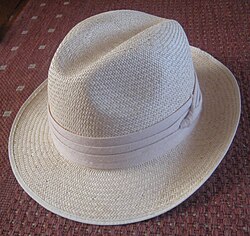
Finely woven straw hats made primarily in Ecuador were exported through Panama during the California Gold Rush and international trade expansion. Their lightness and breathability made them popular across the Americas and Europe, despite the misleading geographic name.
Image source: Panama hat
1865
John B. Stetson introduced the Boss of the Plains, a lightweight, water-resistant felt hat designed for the American West. Its broad brim and practical crown influenced the modern cowboy hat and helped establish Stetson as a major hat manufacturer.
1870 - 1920
Millinery expanded into a large fashion industry serving women’s demand for bonnets, hats, feathers, flowers, ribbons, and artificial decorations. Department stores, specialist shops, and home-based makers made hats central to respectable public dress.
Image source: Hatmaking
1915 - 1920
The 1915 Panama–Pacific International Exposition helped popularize light-colored straw hats and tropical-inspired styles in the United States. The fashion reflected growing leisure travel, mass tourism, and a taste for relaxed summer clothing.
1920 - 1950
The fedora, originally associated with women’s theatrical fashion, was adopted widely by men during the early 20th century. Its pinched crown and flexible brim became staples of businesswear, streetwear, film noir imagery, and everyday urban dress.
Image source: Fedora
1922 - 1930
The close-fitting cloche hat became a defining accessory of the 1920s. Pulled low over the forehead and often decorated with bands or embroidery, it complemented bobbed hair and the streamlined silhouettes associated with modern womanhood.
Image source: Cloche hat
1930 - 1950
Small decorative headpieces made from feathers, veiling, flowers, and other materials became fashionable alternatives to full-sized hats. The fascinator later re-emerged as formal occasion wear, especially at weddings, races, and British royal events.
1930 - 1980
Industrial head protection evolved from leather and metal forms into lightweight molded helmets, especially after the development of plastics. Construction, mining, utilities, and emergency services adopted standardized hard hats to reduce injuries from falling objects and electrical hazards.
1947 - 1955
Christian Dior’s New Look restored dramatic femininity to postwar fashion through nipped waists, full skirts, and coordinated accessories. Structured hats and tilted brims returned to prominence as part of a complete, carefully styled appearance.
1965 - 1975
Designers including Pierre Cardin, André Courrèges, and Paco Rabanne incorporated geometric forms, synthetic materials, and futuristic helmets into fashion. These experimental hats reflected public fascination with space exploration, technology, and modernist design.
Image source: 1960s in fashion
1970 - 2000
Once primarily sports equipment and team merchandise, the baseball cap became a ubiquitous casual accessory. Embroidered logos, adjustable backs, and later celebrity and corporate branding helped it cross boundaries of age, class, gender, and national style.
Image source: Baseball cap
1970 - 2000
As recreational and commuter cycling expanded, manufacturers developed lightweight foam bicycle helmets with improved ventilation and impact protection. National and international testing standards gradually made helmets a routine part of cycling safety equipment.
Image source: Bicycle helmet
2000 - 2021
In the 21st century, social media, film, music videos, vintage revivals, and global streetwear repeatedly brought older hat forms back into fashion. Designers and independent makers combined historic silhouettes such as the cloche, beret, fedora, and bucket hat with new materials and branding.
Image source: Hat
Or browse the full history timeline directory, with more than 2,500 topics.
This History of Hats timeline was generated with the help of AI, using information found on the internet.
We work hard to keep these timelines accurate, but mistakes do get through. If you spot one, email us at [email protected] and we'll fix it for future visitors.
Generate yours with AI or build it from scratch, for free.
Export your timeline, add your own events, edit or remove AI-generated events, and much more
No credit card required.
Cancel anytime.
Cancel anytime.
You can create an unlimited number of timelines with up to 10 events on each one, customize how they look, export them to PDF, PNG, PowerPoint, CSV, and Excel, and share them with a link. Paid plans raise the event limit and add features like spreadsheet imports and collaborators.
Yes. You can cancel your subscription from your account page at any time, and you will not be charged again. Your subscription stays active for the rest of the period you already paid for.
Yes. We will email you a reminder before the annual renewal, and we will also email you a receipt.
Yes. You can email us within 15 days of any payment, and we will issue you a full refund.
Check out our pricing docs or send us an email anytime: [email protected].