-
Use Cases
-
Resources
-
Pricing
The history of pharmacology traces how humans have discovered, prepared, tested, and used substances to prevent and treat disease, evolving from traditional remedies into a modern evidence-based science. More Less
Build a timeline like this one in minutes, for free. Start Yours →
1600 BC - 1501 BC
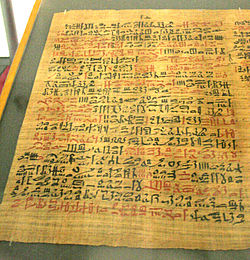
The Edwin Smith Papyrus, dating from the 16th century BC, preserved ancient Egyptian medical knowledge, including information relevant to treatments and medicinal practice.
Image source: Edwin Smith Papyrus

1550 BC
Ancient Egyptian pharmacological knowledge was recorded in medical papyri, including the Ebers Papyrus, which dates to approximately 1550 BC and documents numerous remedies and medicinal substances.
Image source: Ebers Papyrus
350 BC
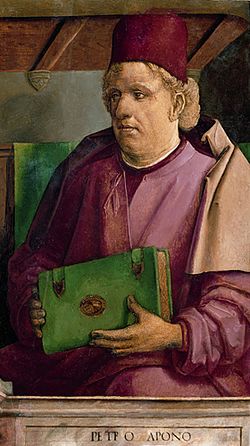
Diocles of Carystus, who lived in the fourth century BC, was probably the most important representative of the rhizotomoi, specialists associated with the collection and study of medicinal plants.
100 AD
The Shennong Ben Cao Jing, or Divine Farmer’s Herb-Root Classic, became the earliest known Chinese manual on materia medica, dating to the first century AD.
300 AD
The earliest known compilation of medicinal substances in Indian traditional medicine dates to the third or fourth century AD and is attributed to Sushruta, traditionally recorded as a physician of the sixth century BC.
Image source: Sushruta

500 AD - 1100 AD
After the fall of the Western Roman Empire in the fifth century, medicinal knowledge in Europe declined, but Byzantine-controlled Salerno in southern Italy developed a hospital and medical school that became famous by the eleventh century.
Image source: Schola Medica Salernitana
1050 AD
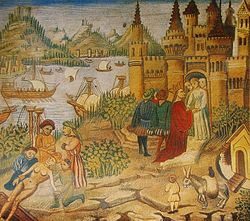
In the early eleventh century, Salerno scholar Constantinos Africanus translated many Arabic books into Latin, helping shift European medicine from Hippocratic traditions toward the pharmaceutical approach associated with Galen.
Image source: Constantine the African

1100 AD
Pharmacy-like shops began to appear in Europe during the twelfth century, providing a recognizable institutional setting for the preparation and sale of medicines.
Image source: Pharmacy

1221 AD
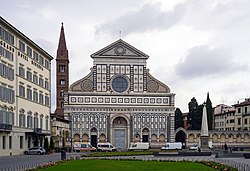
The pharmacy claimed to be the oldest was established in 1221 at the Church of Santa Maria Novella in Florence, Italy; the site now houses a perfume museum.
Image source: Santa Maria Novella
1240 AD
In 1240, Emperor Frederic II issued a decree separating the professions of physician and apothecary, establishing an important legal distinction in European healthcare.
Image source: Frederick II, Holy Roman Emperor

Build a timeline like this one in minutes, for free. Start Yours →
This History of Pharmacology timeline was generated with the help of AI, using information found on the internet.
We work hard to keep these timelines accurate, but mistakes do get through. If you spot one, email us at [email protected] and we'll fix it for future visitors.
Generate yours with AI or build it from scratch, for free.