
-
Use Cases
-
Resources
-
Pricing
The history of seafood cuisine traces humanity's culinary relationship with fish and shellfish, from prehistoric coastal settlements and ancient Mediterranean feasts through medieval Christian fasting traditions, the rise of Japanese sushi, industrial fishing, and today's farm-to-table sustainability movement. More Less
14000 BCE
% complete
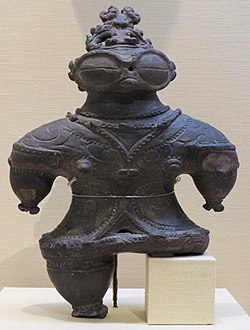
The Jōmon hunter-gatherers of Japan developed some of the world's earliest known fishing cultures, using harpoons, hooks, and nets to catch fish and gather shellfish, laying the foundation for Japan's enduring seafood cuisine.
Image source: Jōmon period
7000 BCE
% complete
Fermented fish sauces, precursors to modern nam pla and nuoc mam, are believed to have originated among ancient communities in Southeast Asia, becoming one of humanity's oldest seafood-based seasonings.
Image source: Fish sauce
3000 BCE
% complete
In Mesopotamia, fish from the Tigris and Euphrates rivers was dried, salted, and traded extensively, making preserved seafood a staple commodity in one of the world's first urban civilizations.
Image source: History of seafood
2500 BCE
% complete
Ancient Egyptian tombs show detailed scenes of fish being caught, processed, and salted along the Nile, and evidence suggests tilapia may have been farmed in ponds as early as this period.
Image source: Aquaculture
500 BCE
% complete
The ancient Greeks developed garum, a pungent fermented fish sauce that became central to their cooking, later spreading throughout the Mediterranean world and reaching its height under Roman rule.
Image source: Garum
100 BCE
% complete
Wealthy Romans built elaborate saltwater fishponds called piscinae to farm and fatten prized fish such as mullet and eel, with some elites spending fortunes on rare specimens for banquets.
Image source: Villa Giulia, Ventotene
400 CE
% complete
The Roman cookbook attributed to Apicius includes numerous sophisticated recipes for fish and shellfish, documenting how elite Romans prepared seafood with complex sauces, herbs, and spices.
Image source: Apicius
800 CE
% complete
Narezushi, a method of preserving fish by fermenting it with rice, spread through Japan from Southeast Asian techniques, evolving over centuries into the fresh sushi known today.
Image source: Sushi
1200
% complete
Salted herring became a dietary cornerstone of medieval Europe, fueling vast trade networks through the Hanseatic League and shaping the economies and cuisines of Northern European nations.
Image source: Herring
1300
% complete
Dried and salted cod, or stockfish, became a crucial protein source and trading good across Europe, sustaining long sea voyages and Catholic meatless fast days throughout the year.
Image source: Cod
1350
% complete
Portugal embraced salt-dried cod so thoroughly that bacalhau became the national dish, with hundreds of traditional recipes still prepared across the country today.
Image source: Bacalhau
1600
% complete
By the 17th century, oysters were so abundant around Britain's coasts that they were eaten by rich and poor alike, sold cheaply in taverns and streets before later becoming a luxury item.
Image source: Oyster
1824
% complete
Hanaya Yohei is credited with creating fast-serve nigiri sushi in Edo (modern Tokyo), combining fresh raw fish with vinegared rice and transforming sushi into quick street food.
Image source: Sushi
1810 - 1819
% complete
Nicolas Appert's canning methods were applied to sardines, salmon, and tuna, allowing seafood to be stored for years and transported globally, dramatically expanding access to ocean foods inland.
Image source: Canning
1830 - 1839
% complete
Creamy New England clam chowder emerged as an iconic American dish, celebrated in cookbooks and restaurants, while Manhattan's tomato-based version sparked a famous culinary rivalry.
Image source: Chowder
1860 - 1869
% complete
Joseph Malin opened one of the first fish and chips shops in London around 1860, and fried battered fish with potatoes quickly became the beloved national dish of working-class Britain.
Image source: Fish and chips
1866
% complete
The first successful Pacific salmon cannery opened near Astoria, Oregon, launching an industry that shipped canned salmon worldwide and reshaped both regional economies and global seafood markets.
Image source: Salmon cannery
1900 - 1999
% complete
Crawfish boils seasoned with Cajun spices became a defining social and culinary tradition in Louisiana, showcasing freshwater crustaceans as centerpiece fare rather than humble bait.
Image source: Seafood boil
1923
% complete
Birdseye developed rapid freezing techniques after observing Inuit ice-fishing methods, founding an industry that made fish sticks and frozen seafood staples in American households.
Image source: Clarence Birdseye
1958
% complete
Following poisonings, Japan instituted strict licensing for fugu chefs, institutionalizing the preparation of toxic pufferfish as one of the most regulated and daring dishes in world cuisine.
Image source: Fugu
1966
% complete
Kawafuku restaurant in Los Angeles' Little Tokyo helped introduce authentic sushi to American diners, beginning the transformation of sushi from ethnic specialty into mainstream international cuisine.
1970 - 1979
% complete
Chefs in Los Angeles created the inside-out California roll with avocado and crab substitute, making raw fish approachable for Western palates and driving a global sushi boom.
Image source: California roll
1970 - 1979
% complete
French nouvelle cuisine chefs championed lighter, more delicate treatments of fish and shellfish, moving away from heavy sauces and influencing fine dining seafood presentation worldwide.
Image source: Nouvelle cuisine
1980
% complete
Chef Paul Prudhomme's blackened redfish became a sensation in New Orleans, so popular that regulators had to restrict redfish harvests, demonstrating chef-driven power over seafood demand.
Image source: Blackening (cooking)
1992
% complete
The collapse of the Canadian Atlantic cod fishery in 1992 raised alarm about depleted stocks, prompting chefs and consumers to reconsider which species belong on sustainable seafood menus.
Image source: Overfishing
1997
% complete
Unilever and WWF established the MSC eco-label, enabling consumers and restaurants to choose certified sustainable seafood and embedding sustainability into mainstream dining decisions.
Image source: Marine Stewardship Council
1999
% complete
Seafood Watch began publishing consumer guides ranking seafood by environmental impact, becoming an influential reference for restaurants, retailers, and home cooks seeking sustainable choices.
Image source: Seafood Watch
2010
% complete
Aquaculture output of salmon exceeded wild-caught supply, fundamentally changing the market and prompting ongoing debates about feed sustainability, escapes, and quality in farmed seafood.
Image source: Aquaculture of salmonids
2020
% complete
Companies began launching plant-based tuna and shrimp alternatives alongside cell-cultured fish prototypes, opening a new chapter in which seafood flavor may be produced without ocean harvests.
Image source: Cultured meat
Or browse the full history timeline directory, with more than 2,000 topics.
This History of Seafood Cuisine timeline was generated with the help of AI, using information found on the internet.
We work hard to keep these timelines accurate, but mistakes do get through. If you spot one, email us at [email protected] and we'll fix it for future visitors.
Generate yours with AI or build it from scratch, for free.
Export your timeline, add your own events, edit or remove AI-generated events, and much more
No credit card required.
Cancel anytime.
Cancel anytime.
You can create an unlimited number of timelines with up to 10 events on each one, customize how they look, export them to PDF, PNG, PowerPoint, CSV, and Excel, and share them with a link. Paid plans raise the event limit and add features like spreadsheet imports and collaborators.
Yes. You can cancel your subscription from your account page at any time, and you will not be charged again. Your subscription stays active for the rest of the period you already paid for.
Yes. We will email you a reminder before the annual renewal, and we will also email you a receipt.
Yes. You can email us within 15 days of any payment, and we will issue you a full refund.
Check out our pricing docs or send us an email anytime: [email protected].