-
Use Cases
-
Resources
-
Pricing
1500 BC - 1400 BC
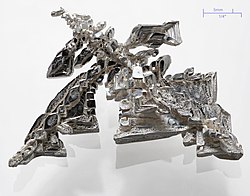
Silver was more expensive than gold in Egypt until around the fifteenth century BC. Egyptians are thought to have separated gold from silver by heating the metals with salt and reducing the resulting silver chloride to metallic silver.
Image source: Silver
700 BC
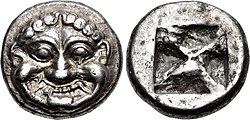
By the seventh century BC, Greek miners were already extracting silver from galena, an important development in the ancient production of the metal.
600 BC
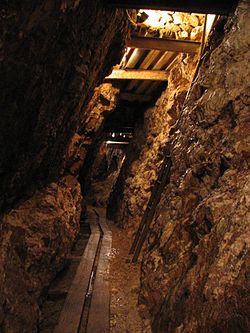
Silver mining at Laurium helped support the rise of Athens. The nearby deposits became one of the most important sources of silver in the Greek world.
Image source: Mines of Laurion

600 BC - 300 BC
The mines at Laurium produced about 30 tonnes of silver per year between 600 and 300 BC, helping make the rise of Athens possible.
1492
Following the discovery of America, Spanish conquistadors plundered and extracted large quantities of silver, transforming the geography of global silver production.
1500 - 1700
Central and South America became the dominant silver-producing regions until around the beginning of the eighteenth century, particularly through mines in Peru, Bolivia, Chile, and Argentina.
1600
Argentina later took its name from the metal associated with the region's mineral wealth; the name derives from Latin argentum, meaning silver.
Image source: Argentina

1800
A separation process exploits the different melting points of lead, lead oxide, and silver. The alloy is remelted at about 960 to 1000 °C in an oxidizing environment so lead is converted to oxide and silver is separated.
1800
Deposits in the Russian Far East were mined as silver production expanded geographically during the nineteenth century.
1800
Australia became another region where silver deposits were mined during the nineteenth-century expansion of global production.
This History of Silver timeline was generated with the help of AI, using information found on the internet.
We work hard to keep these timelines accurate, but mistakes do get through. If you spot one, email us at [email protected] and we'll fix it for future visitors.
Generate yours with AI or build it from scratch, for free.