-
Use Cases
-
Resources
-
Pricing
2100 BCE
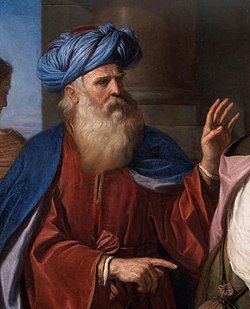
Abraham is described as a prophet who received direct revelations from God, including the promises of land, descendants, and blessing. His intercession for Sodom and his covenant relationship became foundational to biblical prophecy.
Image source: Abraham
1446 BCE - 1406 BCE
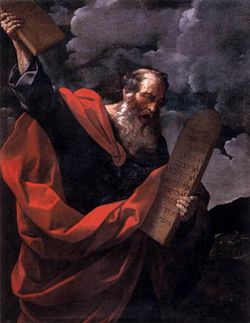
Moses functions as Israel's preeminent prophet, confronting Pharaoh, leading the Exodus, mediating the covenant at Sinai, and transmitting divine laws. Deuteronomy later presents him as the model against whom future prophets are measured.
Image source: Moses
1446 BCE
After the crossing of the Red Sea, Miriam is identified as a prophetess who led Israelite women with tambourines and song. Her role combines prophetic leadership, worship, and participation in the Exodus community.
Image source: Miriam
1406 BCE
Balaam, a non-Israelite diviner, is compelled to bless Israel rather than curse it. His oracles portray Israel's future strength and include a celebrated prediction of a star and scepter arising from Jacob.
1150 BCE
Deborah is presented as both a prophetess and judge who summoned Barak to confront the Canaanite general Sisera. Her victory song interprets the battle as an act of divine deliverance.
Image source: Deborah
1100 BCE - 1020 BCE
Samuel hears God's call as a child and becomes a prophet, judge, and national leader. He anoints Saul and later David, marking the transition from the period of judges to the Israelite monarchy.
Image source: Samuel
1000 BCE - 970 BCE
Gad, called David's seer, advises him during his flight from Saul and later delivers divine judgment after David's census. His prophetic message offers David a choice among punishments and directs him toward the altar site at Araunah's threshing floor.
990 BCE
The prophet Nathan tells David a parable about a rich man who steals a poor man's lamb, then exposes the king's abuse of power involving Bathsheba and Uriah. Nathan announces consequences while also affirming God's covenant with David.
Image source: Nathan (prophet)
930 BCE
When Rehoboam prepares to attack the northern tribes after the kingdom divides, Shemaiah delivers God's command not to fight fellow Israelites. His intervention prevents a civil war at the beginning of the divided monarchy.
930 BCE
Ahijah tears a new garment into twelve pieces and gives ten to Jeroboam, symbolizing the division of Solomon's kingdom. He later condemns Jeroboam's idolatry and foretells the downfall of his dynasty.
870 BCE
At Mount Carmel, Elijah challenges the prophets of Baal to demonstrate whose deity can send fire. The answered prayer, followed by the execution of the Baal prophets, becomes a defining contest over Israel's exclusive loyalty to Yahweh.
Image source: Elijah
850 BCE
After Naboth is killed so Ahab can seize his vineyard, Elijah announces judgment on Ahab's house and Jezebel. The episode illustrates prophetic opposition to royal injustice and abuse of power.
849 BCE
Elijah crosses the Jordan with Elisha and is taken from the earth in a whirlwind accompanied by a fiery chariot and horses. Elisha receives Elijah's prophetic mantle and becomes his successor.
849 BCE - 798 BCE
Elisha's ministry includes healing, provision miracles, prophetic counsel to kings, and the raising of a child. He also directs the anointing of Jehu, which leads to the overthrow of the Omride dynasty.
Image source: Elisha
780 BCE
Jonah is commissioned to preach against Nineveh but initially flees by sea. After surviving the great fish, he proclaims judgment, and Nineveh's repentance highlights God's mercy toward a foreign city.
Image source: Jonah
760 BCE
Amos, a shepherd from Judah, prophesies in the northern kingdom during a period of prosperity. He condemns exploitation, corrupt courts, and empty ritual, insisting that justice must accompany worship.
Image source: Amos (prophet)
755 BCE - 725 BCE
Hosea uses his troubled marriage as a symbolic enactment of Israel's covenant unfaithfulness. His oracles denounce idolatry and political dependence while combining judgment with promises of restoration and renewed love.
Image source: Hosea
740 BCE
In a temple vision, Isaiah sees the Lord enthroned, hears the seraphim, and responds to the call to speak to Judah. His commissioning introduces themes of holiness, judgment, a faithful remnant, and future salvation.
Image source: Isaiah
735 BCE - 700 BCE
Micah denounces land seizure, corrupt leaders, and exploitation of the vulnerable in Judah and Israel. Alongside judgment, he promises restoration and identifies Bethlehem as the origin of a future ruler.
734 BCE - 701 BCE
Isaiah counsels kings Ahaz and Hezekiah as Assyria threatens Judah. He opposes reliance on foreign alliances and announces that Jerusalem will be preserved for a time while Assyria itself will face judgment.
663 BCE - 612 BCE
Nahum's oracle celebrates the coming fall of Nineveh, capital of the Assyrian Empire. The book presents the destruction of an oppressive imperial power as an act of divine justice and comfort for Judah.
Image source: Nahum
640 BCE - 609 BCE
Zephaniah announces sweeping judgment on Judah and surrounding nations for idolatry and complacency. He also promises that a humble remnant will be purified and restored.
Image source: Zephaniah
627 BCE - 586 BCE
Jeremiah is called as a young prophet during Josiah's reign and ministers through the fall of Jerusalem. He warns against false security, condemns injustice and idolatry, and promises a future new covenant.
Image source: Jeremiah
622 BCE
During Josiah's reforms, the priest Hilkiah consults Huldah after discovering a book of the law in the Temple. Huldah confirms that judgment is coming because of Judah's disobedience but says Josiah will be spared witnessing the catastrophe.
609 BCE - 597 BCE
Habakkuk asks why God tolerates injustice and why Babylon is used to punish Judah. The prophetic dialogue answers with a vision of appointed judgment and the principle that the righteous live by faithfulness.
Image source: Book of Habakkuk
605 BCE - 539 BCE
In Babylon, Daniel interprets dreams and visions for imperial rulers, including Nebuchadnezzar's statue and the tree dream. These revelations portray successive kingdoms as subject to God's sovereignty and judgment.
Image source: Daniel
597 BCE
Ezekiel is among the Judeans deported to Babylon in 597 BCE. There he receives visions of God's glory, condemns Jerusalem's leadership, and interprets national catastrophe as judgment while proclaiming restoration.
Image source: Ezekiel
593 BCE - 571 BCE
In a famous vision, Ezekiel sees dry bones reassembled and revived by God's breath. The vision symbolizes the restoration of Israel from apparent national death and becomes one of the Bible's strongest images of resurrection and renewal.
586 BCE
When Babylon destroys Jerusalem and the Temple, Jeremiah interprets the event as the fulfillment of warnings repeatedly rejected by Judah. Even amid lament, he proclaims that God will eventually gather and restore the dispersed people.
586 BCE - 550 BCE
Obadiah condemns Edom for exploiting Judah's defeat and assisting its enemies during Jerusalem's destruction. The shortest book of the Hebrew Bible promises Edom's downfall and the restoration of Zion.
539 BCE
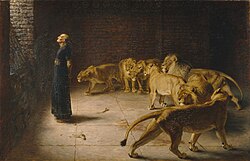
Daniel continues praying to God despite a royal prohibition and is condemned to a den of lions. His survival becomes a demonstration of divine protection and faithful resistance to coercive imperial authority.
520 BCE
Haggai challenges the returned Judeans to stop prioritizing private houses and resume rebuilding the Temple. His messages to Zerubbabel and Joshua connect renewed construction with divine presence and future blessing.
Image source: Haggai
520 BCE - 518 BCE
Zechariah's night visions encourage the returned community and support the rebuilding of the Temple. The book combines immediate messages to the restoration leaders with symbolic visions of cleansing, kingship, and future deliverance.
450 BCE - 430 BCE
Malachi rebukes priests and people for polluted offerings, marital faithlessness, injustice, and withholding tithes. The book closes the Hebrew prophetic collection with a promise of a coming messenger before the day of the Lord.
27 CE - 30 CE
John the Baptist preaches repentance and baptizes people in the Jordan, presenting himself as the voice preparing the way for the Lord. He denounces immoral rulers, identifies Jesus as the coming one, and is executed by Herod Antipas.
Image source: John the Baptist
27 CE - 30 CE
Jesus is recognized in the Gospels as a prophet while also being presented as Messiah and Son of God. His preaching announces God's kingdom, interprets Israel's Scriptures, calls for repentance, and culminates in his crucifixion and resurrection.
Image source: Jesus
30 CE
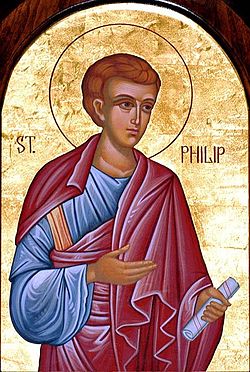
Acts identifies Philip's four unmarried daughters as women who prophesied. Their mention reflects the early Christian belief that prophetic speech was distributed among the community through the Spirit.
Image source: Philip the Evangelist
40 CE - 58 CE
Agabus is a Christian prophet in Acts who predicts a severe famine during the reign of Claudius and later symbolically foretells Paul's arrest in Jerusalem. His messages influence the early church's practical decisions and missionary expectations.
95 CE
John receives an apocalyptic prophetic vision while on the island of Patmos and addresses messages to seven churches in Asia Minor. Revelation portrays final judgment, the defeat of evil, and the emergence of a renewed heaven and earth.
Image source: Book of Revelation
Or browse the full history timeline directory, with more than 2,500 topics.
This Prophets of the Bible timeline was generated with the help of AI, using information found on the internet.
We work hard to keep these timelines accurate, but mistakes do get through. If you spot one, email us at [email protected] and we'll fix it for future visitors.
Generate yours with AI or build it from scratch, for free.
Export your timeline, add your own events, edit or remove AI-generated events, and much more
No credit card required.
Cancel anytime.
Cancel anytime.
You can create an unlimited number of timelines with up to 10 events on each one, customize how they look, export them to PDF, PNG, PowerPoint, CSV, and Excel, and share them with a link. Paid plans raise the event limit and add features like spreadsheet imports and collaborators.
Yes. You can cancel your subscription from your account page at any time, and you will not be charged again. Your subscription stays active for the rest of the period you already paid for.
Yes. We will email you a reminder before the annual renewal, and we will also email you a receipt.
Yes. You can email us within 15 days of any payment, and we will issue you a full refund.
Check out our pricing docs or send us an email anytime: [email protected].