-
Use Cases
-
Resources
-
Pricing
27 BC - 400
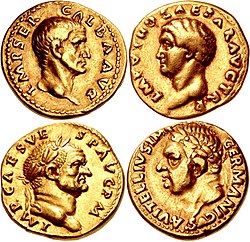
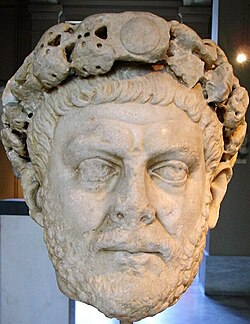
Accounts of Roman emperors give co-emperors their own entries through the fourth century, reflecting the importance of shared imperial rule.
Image source: Roman emperor

27 BC
Augustus instituted the style of government known as the Principate, establishing the political framework that would govern the Roman Empire for centuries.
Image source: Principate

27 BC - 284
The Principate continued from the reign of Augustus until the late third or early fourth century, while emperors retained republican institutions alongside their dominant authority.
27 BC - 476
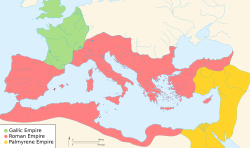
The imperial government of the Roman Empire remained generally accepted during approximately five centuries of Roman rule in the west.
Image source: Roman Empire
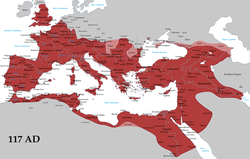
27 BC - 1453
In the east, Roman imperial government continued for roughly fifteen centuries, despite repeated political, military, and territorial crises.
Image source: Byzantine Empire
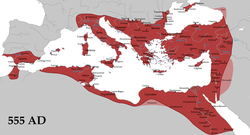
395
Historians typically refer to the empire in the centuries after the late Roman period as the Byzantine Empire, although its rulers continued the Roman imperial tradition.
395 - 1453
The eastern Roman state was governed by Byzantine emperors, maintaining an imperial line that continued until the fall of Constantinople.
Image source: List of Byzantine emperors

527 - 565
Under Justinian I in the sixth century, a large portion of the former western empire was retaken, including Italy, Africa, and part of Spain.
Image source: Justinian I

533 - 534
Byzantine forces retook Africa under Justinian, recovering a major former western imperial region.
Image source: Vandalic War

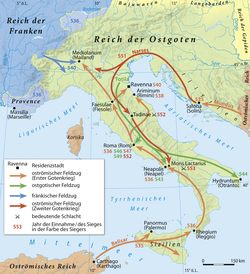
535 - 554
Justinian’s forces reconquered Italy as part of the sixth-century effort to restore substantial western imperial territories.
Image source: Gothic War (535–554)
This Roman Emperors timeline was generated with the help of AI, using information found on the internet.
We work hard to keep these timelines accurate, but mistakes do get through. If you spot one, email us at [email protected] and we'll fix it for future visitors.
Generate yours with AI or build it from scratch, for free.