-
Use Cases
-
Resources
-
Pricing
1624
A system of taxation based on stamped documents was first devised in the Netherlands in 1624, following a public competition to find a new form of tax.
1694
England introduced a stamp duty in 1694 following the Dutch model. The measure, formally titled An act for granting to Their Majesties several duties on Vellum, Parchment and Paper for four years, helped fund the war against France.
Aug 1, 1712
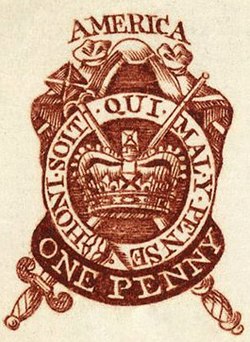
The Stamp Act 1712 was passed in the United Kingdom on 1 August 1712. It created a new tax on publishers, particularly those producing newspapers.
Image source: Stamp Act 1712

1797
The British stamp tax was increased in 1797, with higher taxes and a wider range of affected materials.
1815
The British stamp tax reached its height around 1815 during the broader struggle over taxes on knowledge, which included duties affecting printed material.
1836
British stamp taxation was reduced in 1836 as pressure grew to make newspapers and other printed materials more accessible.
1855
The British stamp tax was repealed in 1855 after decades of debate over taxes on knowledge.
1855
The repeal of the British stamp tax in 1855 allowed a cheap press to develop again by removing a major charge on newspapers and other printed publications.
1891
The Stamp Act 1891, cited as 54 & 55 Vict., superseded earlier British stamp legislation alongside the Stamp Duties Management Act 1891.
1891
The earlier British stamp acts were superseded by the Stamp Duties Management Act 1891, cited as 54 & 55 Vict. c. 38.
Image source: Stamp act

This Stamp Act timeline was generated with the help of AI, using information found on the internet.
We work hard to keep these timelines accurate, but mistakes do get through. If you spot one, email us at [email protected] and we'll fix it for future visitors.
Generate yours with AI or build it from scratch, for free.