-
Use Cases
-
Resources
-
Pricing
300 - 399
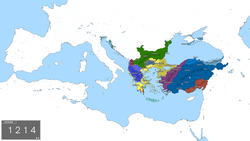
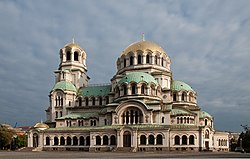
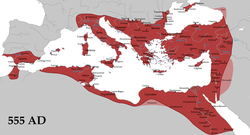
The Byzantine Empire emerged from the Roman Empire in the fourth century. Its distinctive culture and artistic traditions developed from Roman, Hellenistic, and Christian foundations and later exerted major influence on Western Europe during the Middle Ages and Renaissance.
Image source: Byzantine Empire
300 - 399
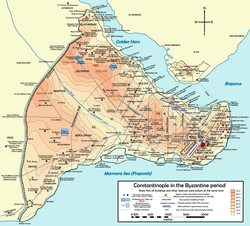
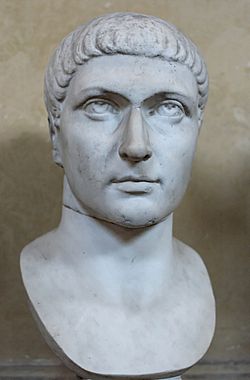
The transfer of the imperial seat to Constantinople helped establish the city as the central setting for Byzantine artistic and architectural development. The Early Byzantine period is conventionally associated with this transformation.
Image source: Constantinople
313
The Edict of Milan legitimized Christian worship and conventionally marks the beginning of the Early Byzantine period in art history. The change enabled the expanded construction and decoration of Christian churches.
Image source: Edict of Milan
300 - 399
Christian mosaic art flourished in the Middle East from the fourth century onward. These works formed a major part of the visual culture of Early Byzantine Christianity.
Image source: Byzantine mosaics

400 - 499
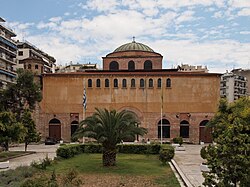
The Basilica of St. John at the Stoudios Monastery was built in the fifth century and is identified as the earliest surviving church in Constantinople. It represents an important early example of Byzantine church architecture.
Image source: Monastery of Stoudios

500 - 599
The Sinope Gospels are another major sixth-century example of a fully preserved illuminated biblical manuscript, reflecting Byzantine interest in richly designed sacred texts.
500 - 599
The Rossano Gospels date to the first half of the sixth century and are among the earliest fully preserved illuminated biblical manuscripts associated with Byzantine artistic culture.
500 - 599
The Vienna Genesis is one of the earliest fully preserved illuminated biblical manuscripts, dating to the first half of the sixth century. It demonstrates the importance of illustrated sacred books in Early Byzantine art.
500 - 599
The first fully preserved illuminated biblical manuscripts date to the first half of the sixth century. Notable examples include the Vienna Genesis, Rossano Gospels, and Sinope Gospels.
Image source: Illuminated manuscript

500 - 599
The sixth-century church of Hagia Sophia in Constantinople exemplified the combination of religious and imperial subject matter. Portraits of later Byzantine emperors decorated its interior.
Image source: Hagia Sophia

This Byzantine Art timeline was generated with the help of AI, using information found on the internet.
We work hard to keep these timelines accurate, but mistakes do get through. If you spot one, email us at [email protected] and we'll fix it for future visitors.
Generate yours with AI or build it from scratch, for free.