-
Use Cases
-
Resources
-
Pricing
The history of cardiology traces humanity's understanding of the heart and circulatory system, from ancient anatomical observations through William Harvey's discovery of blood circulation to modern innovations such as electrocardiography, cardiac surgery, pacemakers, and interventional procedures that transformed heart care. More Less
1980 - 2010
Between 1980 and 2010, the risk of death from CAD for a given age decreased, especially in developed countries, thanks to advances in prevention, treatment, and management of cardiovascular risk factors.
Image source: Coronary artery disease

1990
In 1990, coronary artery disease (CAD) resulted in 5.74 million deaths worldwide, accounting for about 12% of all deaths. This figure would rise substantially over the following decades as populations aged and risk factors spread.
1990 - 2010
The number of cases of CAD for a given age also decreased between 1990 and 2010, indicating improvements in prevention and risk factor control even as total case numbers grew due to aging populations.
2008
Cardiovascular diseases were the leading cause of death globally in 2008, and caused 24.95% of total deaths that year, underscoring the enormous public health burden of cardiac conditions worldwide.
Image source: Cardiovascular disease

2010
In 2010, about 20% of those over 65 had CAD, while it was present in 7% of those 45 to 64, and 1.3% of those 18 to 45, demonstrating how strongly CAD prevalence increases with age.
2013
In 2013 CAD was the most common cause of death globally, resulting in 8.14 million deaths (16.8%) up from 5.74 million deaths (12%) in 1990, reflecting both population growth and aging across the world.
1990
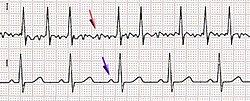
In 1990, atrial fibrillation and atrial flutter resulted in approximately 29,000 deaths worldwide. This number rose sharply in subsequent decades as populations aged.
Image source: Atrial fibrillation
2013
Atrial fibrillation and atrial flutter resulted in 112,000 deaths in 2013, up from 29,000 in 1990, a nearly fourfold increase driven largely by the aging of the global population.
2014
In Europe and North America, as of 2014, atrial fibrillation affected about 2% to 3% of the population, making it one of the most common sustained cardiac arrhythmias encountered in clinical practice.
1990
In 1990, cardiomyopathy and myocarditis resulted in 366,000 deaths worldwide. By 2013 this figure had fallen to 323,000 deaths, reflecting improvements in diagnosis and treatment.
Image source: Myocarditis

This History of Cardiology timeline was generated with the help of AI, using information found on the internet.
We work hard to keep these timelines accurate, but mistakes do get through. If you spot one, email us at [email protected] and we'll fix it for future visitors.
Generate yours with AI or build it from scratch, for free.