-
Use Cases
-
Resources
-
Pricing
1500 BC
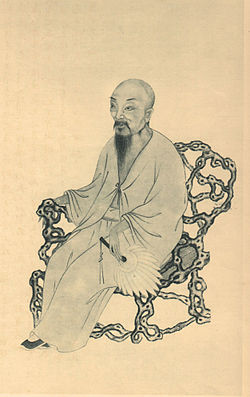
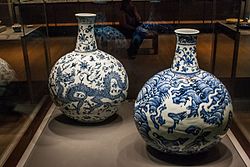
Artistic traditions dating to around 1500 BC exerted a continuing influence over the development of Chinese art. These early traditions contributed to later practices in ceramics, ritual objects, painting, sculpture, and decorative arts.
Image source: Chinese art
900 BC - 500 CE
Small figures made of pottery or wood were placed in Chinese tombs for many centuries. The practice eventually reached a peak in the highly accomplished tomb figures of the Tang dynasty.
900 BC
Four wooden figurines from Liangdaicun in Hancheng, Shaanxi, may date to the 9th century BCE. They are among the very few known human depictions in China from before the later development of monumental sculpture.
700 BC
Two wooden human figurines, possibly foreigners serving as sedan chair bearers, were found in a Qin state tomb in Longxian, Shaanxi. They date from about 700 BCE and illustrate the limited but significant early use of human imagery.
500 BC
More numerous human statuettes appear among the bronze musicians in a miniature house from Shaoxing, Zhejiang. The work is associated with the 5th century BCE and demonstrates the growing use of figures in small-scale ritual and funerary art.
Image source: Chinese bronze inscriptions

400 BC - 200 BC
The Taerpo horserider is a Qin terracotta figurine from the Warrior-States period. Found in the Taerpo cemetery near Xianyang in Shaanxi, it dates to the 4th–3rd century BCE and represents an early sculptural image of a mounted rider.
400 BC
A human-shaped lamp stand from a royal tomb in Pingshan county, Hebei, dates to the 4th century BCE. It is an important early example of figurative Chinese metalwork.
300 BC
A literary source from the 3rd–4th century CE records two alleged monumental stone statues of qilin said to have stood above the tomb of Qin Shihuang. If the account is accurate, they may represent an unusually early form of monumental stone statuary.
Image source: Qin Shi Huang

1 CE - 800 CE
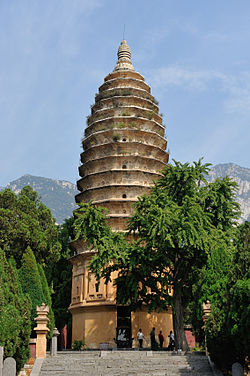
Buddhism arrived in China around the 1st century CE and became highly active and creative in the development of Chinese Buddhist art through the 8th century. Buddhist themes, images, and artistic models transformed sculpture, painting, architecture, and cave art.
Image source: Chinese Buddhism

400 CE - 600 CE
Monumental stone statuary became a major Chinese art form from the 4th to 6th centuries CE with the development of monumental Buddhist sculpture. The movement established a durable tradition of large religious images.
This History of Chinese Art timeline was generated with the help of AI, using information found on the internet.
We work hard to keep these timelines accurate, but mistakes do get through. If you spot one, email us at [email protected] and we'll fix it for future visitors.
Generate yours with AI or build it from scratch, for free.