-
Use Cases
-
Resources
-
Pricing
The history of Louisiana spans centuries, beginning with Native American inhabitants and French exploration in the 17th century. Named after King Louis XIV, the region became a Spanish colony, returned to France, and was sold to the United States in 1803 through the Louisiana Purchase. Louisiana achieved statehood in 1812 and developed a unique cultural identity blending French, Spanish, African, and Caribbean influences, visible today in its Creole and Cajun heritage, distinctive cuisine, and legal system based on civil law. More Less
Mar 1541
% complete
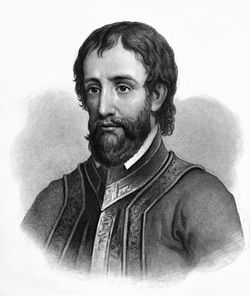
Spanish explorer Hernando de Soto crossed the Mississippi River, becoming one of the first Europeans to explore the region that would later become Louisiana. His expedition encountered numerous Indigenous peoples but failed to establish any lasting settlement.
Image source: Hernando de Soto
Apr 9, 1682
% complete
French explorer René-Robert Cavelier de La Salle traveled down the Mississippi River to its mouth and claimed the entire drainage basin for France, naming it Louisiana in honor of King Louis XIV.
Image source: René-Robert Cavelier, Sieur de La Salle
1699
% complete
Pierre Le Moyne d'Iberville established Fort Maurepas near present-day Biloxi, marking the first permanent French settlement in Louisiana and beginning sustained European colonization of the region.
Image source: Louisiana (New France)
1718
% complete
Jean-Baptiste Le Moyne de Bienville founded New Orleans on the Mississippi River. It became the capital of French Louisiana in 1722 and grew into a vital port connecting the interior of North America with the Gulf of Mexico.
Image source: New Orleans
1719
% complete
The first shiploads of enslaved Africans arrived in French Louisiana, laying the foundation for the plantation economy and contributing profoundly to the state's unique Creole culture.
Image source: History of slavery in Louisiana
Nov 28, 1729 - 1731
% complete
The Natchez people launched a surprise attack on French settlements at Fort Rosalie, killing hundreds of colonists. The ensuing war devastated both sides and weakened French control over lower Louisiana.
Image source: Natchez revolt
Nov 3, 1762
% complete
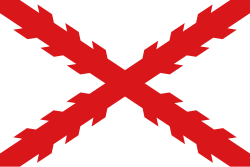
By the secret Treaty of Fontainebleau, France ceded Louisiana west of the Mississippi River to Spain as compensation for Spanish losses in the Seven Years' War, beginning nearly four decades of Spanish rule.
Image source: Louisiana (New Spain)
1764 - 1785
% complete
French-speaking Acadians expelled from Nova Scotia began settling in south Louisiana. Their descendants, known as Cajuns, developed a distinctive culture that remains central to Louisiana's identity.
Image source: Cajuns
Mar 21, 1788
% complete
A devastating fire destroyed most of New Orleans, including hundreds of buildings. The city was rebuilt largely in the Spanish architectural style, giving the French Quarter much of its distinctive character.
Image source: Great New Orleans Fire (1788)
Oct 1, 1800
% complete
Under the secret Third Treaty of San Ildefonso, Spain returned Louisiana to Napoleonic France, setting the stage for the sale of the vast territory to the United States just three years later.
Image source: Third Treaty of San Ildefonso
Apr 30, 1803
% complete
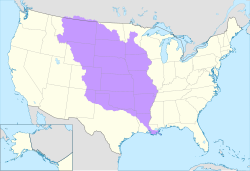
President Thomas Jefferson's administration purchased Louisiana from France for $15 million, doubling the size of the United States and securing control of the Mississippi River and the port of New Orleans.
Image source: Louisiana Purchase
Oct 1, 1804
% complete
Congress organized the southern portion of the Louisiana Purchase as the Territory of Orleans, establishing American civil law institutions while preserving elements of the region's French and Spanish legal heritage.
Image source: Territory of Orleans
Jan 8, 1811 - Jan 11, 1811
% complete
Hundreds of enslaved people marched along the Mississippi River toward New Orleans in the largest slave revolt in American history. The uprising was violently suppressed by militia and federal troops within days.
Image source: 1811 German Coast uprising
Jan 8, 1815
% complete
General Andrew Jackson led American forces to a decisive victory over the British in the final major battle of the War of 1812, fought after the Treaty of Ghent had been signed but before news reached America. The triumph made Jackson a national hero.
Image source: Battle of New Orleans
Jan 1812
% complete
The steamboat New Orleans arrived in the city of its name after the first successful steam voyage down the Ohio and Mississippi Rivers, inaugurating the era of river commerce that fueled New Orleans' growth.
Image source: New Orleans (steamboat)
Apr 30, 1812
% complete
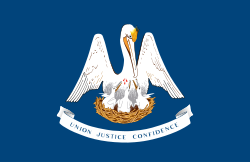
The Territory of Orleans entered the Union as the State of Louisiana, with its constitution blending Anglo-American political structures with the civil-law traditions inherited from France and Spain.
Image source: Louisiana
1846
% complete
The state legislature moved the capital from New Orleans to Baton Rouge, where a Gothic Revival capitol building was completed in 1849, shifting political power away from the Crescent City.
Image source: Baton Rouge, Louisiana
Jan 26, 1861
% complete
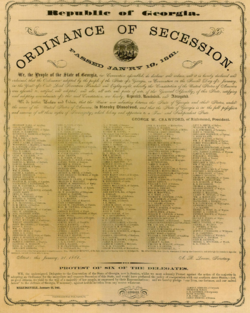
A state convention voted overwhelmingly for secession following Abraham Lincoln's election, making Louisiana the sixth state to leave the Union and join the Confederacy.
Image source: Ordinance of Secession
Apr 25, 1862 - May 1, 1862
% complete
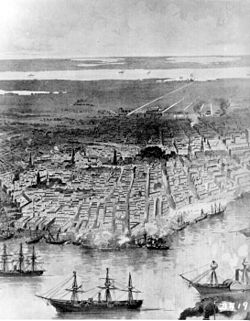
Flag Officer David Farragut's fleet ran past Confederate forts guarding the river approaches and forced the surrender of New Orleans, the Confederacy's largest city and most important port.
Image source: Capture of New Orleans
Mar 10, 1864 - May 22, 1864
% complete
A Union drive up the Red River aimed at capturing Shreveport and East Texas stalled amid battles at Mansfield and Pleasant Hill, ending in retreat and leaving northern Louisiana under Confederate control until war's end.
Image source: Red River campaign
Feb 1868
% complete
During Reconstruction, Louisiana ratified a new constitution granting voting rights to Black men and establishing integrated public schools, marking the start of a brief period of biracial democratic politics.
Image source: Constitution of Louisiana
Apr 13, 1873
% complete
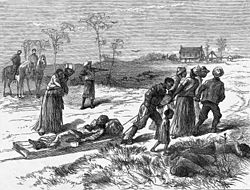
White supremacists murdered dozens of Black militiamen in Colfax after a contested election, one of the deadliest incidents of racial violence during Reconstruction and a symbol of its violent collapse.
Image source: Colfax massacre
1877
% complete
The withdrawal of federal troops as part of the Compromise of 1877 ended Reconstruction in Louisiana, opening the way for Jim Crow segregation, disenfranchisement, and decades of white Democratic rule.
Image source: Compromise of 1877
1898
% complete
A new state constitution imposed literacy tests, poll taxes, and grandfather clauses that effectively stripped most Black Louisianans of the right to vote, entrenching segregation for generations.
Image source: Disfranchisement after the Reconstruction era
1928
% complete
Huey P. Long won the governorship on a populist platform, launching massive road-building and education programs while consolidating unprecedented political power that transformed Louisiana politics.
Image source: Huey Long
1932
% complete
Governor Huey Long championed the construction of the 34-story Art Deco skyscraper in Baton Rouge, then the tallest building in the South, symbolizing his modernizing ambitions for the state.
Image source: Louisiana State Capitol
Sep 10, 1935
% complete
Huey Long, by then a U.S. senator and prospective presidential candidate, was shot in the new State Capitol and died two days later, abruptly ending his Share Our Wealth movement.
Dec 7, 1941 - Sep 2, 1945
% complete
New Orleans industrialist Andrew Higgins mass-produced landing craft used in every major amphibious assault of World War II, including Normandy, transforming the city into an industrial powerhouse.
Image source: Andrew Higgins
Sep 9, 1965 - Sep 14, 1965
% complete
Hurricane Betsy flooded large parts of New Orleans and coastal parishes, prompting Congress to authorize the Lake Pontchartrain hurricane protection project that shaped flood defenses for decades.
Image source: Hurricane Betsy
1972
% complete
Edwin Edwards began the first of four terms as governor, dominating Louisiana politics for two decades with a colorful, reform-minded, and often controversial career.
Image source: Edwin Edwards
1985 - 1988
% complete
Collapsing world oil prices triggered layoffs in the petroleum industry, a real estate crash, and severe budget crises across south Louisiana, reshaping the state's economic outlook.
Image source: 1980s oil glut
Aug 29, 2005 - Aug 31, 2005
% complete
Katrina made landfall near Buras and overwhelmed New Orleans' levee system, flooding 80 percent of the city, killing more than 1,500 Louisianans, and displacing hundreds of thousands in the costliest disaster in U.S. history.
Image source: Hurricane Katrina
Apr 20, 2010 - Jul 15, 2010
% complete
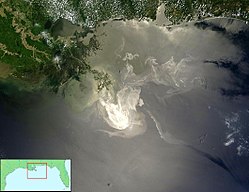
The explosion of the Deepwater Horizon rig killed eleven workers and unleashed the largest marine oil spill in history, damaging Louisiana's fishing, tourism, and wetlands economies.
Image source: Deepwater Horizon oil spill
Or browse the full history timeline directory, with more than 2,000 topics.
This History of Louisiana timeline was generated with the help of AI, using information found on the internet.
We work hard to keep these timelines accurate, but mistakes do get through. If you spot one, email us at [email protected] and we'll fix it for future visitors.
Generate yours with AI or build it from scratch, for free.
Export your timeline, add your own events, edit or remove AI-generated events, and much more
No credit card required.
Cancel anytime.
Cancel anytime.
You can create an unlimited number of timelines with up to 10 events on each one, customize how they look, export them to PDF, PNG, PowerPoint, CSV, and Excel, and share them with a link. Paid plans raise the event limit and add features like spreadsheet imports and collaborators.
Yes. You can cancel your subscription from your account page at any time, and you will not be charged again. Your subscription stays active for the rest of the period you already paid for.
Yes. We will email you a reminder before the annual renewal, and we will also email you a receipt.
Yes. You can email us within 15 days of any payment, and we will issue you a full refund.
Check out our pricing docs or send us an email anytime: [email protected].