-
Use Cases
-
Resources
-
Pricing
Nike, Inc. began in 1964 as Blue Ribbon Sports, founded by Phil Knight and Bill Bowerman. Renamed Nike in 1971 after the Greek goddess of victory, the company revolutionized athletic footwear with innovations like the Waffle Trainer, Air technology, and the iconic Swoosh logo. Today, Nike is the world's largest supplier of athletic shoes and apparel, shaping sports culture through endorsements with athletes like Michael Jordan and global marketing campaigns. More Less
1964
% complete
In its first year of operation, Blue Ribbon Sports sold 1,300 pairs of Japanese running shoes, grossing $8,000. The modest start demonstrated a viable market for imported athletic footwear in the United States.
Image source: Nike, Inc.
Jan 25, 1964
% complete
University of Oregon track coach Bill Bowerman and his former athlete Phil Knight founded Blue Ribbon Sports as a distributor for Japanese Onitsuka Tiger shoes. Knight began by selling shoes from the trunk of his car at track meets, laying the foundation for what would become Nike.
1965
% complete
Jeff Johnson, a former track rival of Knight's, became the company's first full-time employee in 1965. He opened the company's first retail store in Santa Monica, California, and later coined the name 'Nike.'
May 30, 1971
% complete
The company officially changed its name from Blue Ribbon Sports to Nike, Inc., named after the Greek goddess of victory. The renaming coincided with the launch of Nike-branded footwear and ended its reliance on Onitsuka Tiger imports.
1971
% complete
Bill Bowerman famously poured urethane into his wife's waffle iron to create a new type of outsole with rubber studs, providing better grip on running tracks. This innovation led to the Waffle Trainer and revolutionized running shoe design.
Image source: Bill Bowerman
1972
% complete
Nike debuted its first line of shoes at the 1972 U.S. Olympic Trials in Eugene, Oregon. The initial lineup included the Cortez and other models bearing the new Swoosh logo, marking the company's transition from importer to manufacturer.
1974
% complete
Building on Bowerman's waffle iron experiment, Nike released the Waffle Trainer, which quickly became one of the best-selling training shoes in the United States and cemented Nike's reputation for innovation.
1979
% complete
Nike unveiled Air cushioning technology, developed by Frank Rudy, which used pressurized gas encapsulated in polyurethane. First featured in the Tailwind running shoe, Air cushioning became the cornerstone of Nike's product identity.
Image source: Nike Air Force
2000
% complete
After more than a decade and a half of research, Nike released the Shox line featuring columns of resilient foam in the heel for shock absorption. The technology was showcased prominently during the 2000 Sydney Olympics.
Image source: Nike Shox
2006
% complete
Nike expanded its running lineup with the Air Zoom Vomero, part of a broader strategy to court serious runners with performance-focused cushioning systems and digital tools like the Nike+iPod partnership launched the same year.
May 23, 2006
% complete
Nike partnered with Apple to create the Nike+iPod Sport Kit, a sensor system that tracked runners' distance and pace through their iPods. It marked Nike's entry into fitness tracking and connected products.
Feb 2012
% complete
Nike introduced Flyknit, a process that weaves shoe uppers from a single thread, reducing waste by about 60% compared to traditional cut-and-sew methods. Flyknit revolutionized lightweight footwear construction across running and basketball categories.
Image source: Nike Flywire
2017
% complete
The Nike Vaporfly 4%, with its thick carbon-fiber plate and novel foam, helped Eliud Kipchoge break the two-hour marathon barrier in 2019 and fueled record-setting performances, prompting World Athletics to impose new rules on shoe technology.
1971
% complete
Graphic design student Carolyn Davidson created the iconic Swoosh logo for $35. The design represented motion and speed, and it would become one of the most recognizable brand marks in the world.
Image source: Swoosh
1973
% complete
American distance running star Steve Prefontaine wore Nike shoes and championed the brand among athletes before his tragic death in 1975. He became an enduring symbol of Nike's rebellious, competitive spirit.
Image source: Steve Prefontaine
1984
% complete
Nike signed Chicago Bulls rookie Michael Jordan to a five-year deal worth $500,000 per year plus royalties, a gamble that paid off enormously. The partnership launched the Air Jordan brand and redefined sports marketing.
Image source: Air Jordan
Apr 1, 1985
% complete
The Air Jordan I hit stores in red and black, famously violating NBA uniform color rules and generating controversy that Nike turned into legendary advertising. The shoe's success launched a billion-dollar sub-brand.
1988
% complete
Nike launched its iconic 'Just Do It' slogan, created by ad agency Wieden+Kennedy. The campaign broadened Nike's appeal beyond serious athletes to everyday consumers and became one of the most famous taglines in advertising history.
Feb 1996
% complete
Nike signed a landmark deal reportedly worth around $200 million over ten years to sponsor Brazil's national soccer team, signaling its aggressive push into global football and challenging Adidas's dominance in the sport.
Aug 1996
% complete
Fresh off turning professional, Tiger Woods signed a five-year, $40 million endorsement deal with Nike. The partnership helped Nike enter the golf equipment market and made Woods the face of the sport for two decades.
Image source: Tiger Woods
Apr 1, 2012
% complete
Nike replaced Reebok as the exclusive uniform and apparel provider for the National Football League in a five-year deal, further solidifying its dominance in North American professional sports apparel.
Dec 7, 2015
% complete
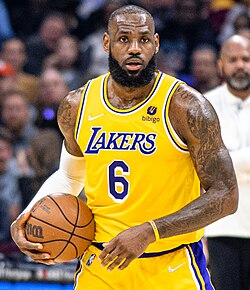
Nike signed basketball superstar LeBron James to the first lifetime endorsement deal in the company's history, reported to be worth over $1 billion. The unprecedented agreement underscored James's value to the brand.
Image source: LeBron James
Dec 2, 1980
% complete
Nike completed its initial public offering, selling shares at $22 each. The IPO raised capital for expansion and transformed the company into a publicly traded powerhouse in the athletic goods industry.
1988
% complete
Nike purchased dress shoe maker Cole Haan for approximately $95 million, expanding its portfolio beyond athletic footwear. Nike later sold the brand in 2013 to focus on its core business.
Image source: Cole Haan
1990
% complete
Nike moved into its 74-acre world headquarters campus in Beaverton, Oregon. The campus, featuring buildings named after sponsored athletes like Michael Jordan and Bo Jackson, became the center of the company's global operations.
1990
% complete
Nike opened its flagship Niketown retail store in downtown Portland, Oregon, creating an immersive brand experience that blended retail with entertainment and set the template for future flagship stores worldwide.
1994
% complete
Nike acquired hockey equipment maker Canstar, parent of Bauer Hockey, expanding into ice hockey. The business was eventually consolidated under the Nike Bauer name before being sold in 2008.
1996 - 1998
% complete
Nike came under intense scrutiny for labor practices at overseas contract factories, including low wages and poor working conditions. Activist campaigns and student protests damaged the brand until CEO Phil Knight announced sweeping reforms in 1998, raising minimum wages and improving factory oversight.
Jul 9, 2003
% complete
Nike bought Converse for approximately $305 million, reviving the storied Chuck Taylor All Star brand. Under Nike's ownership, Converse experienced a dramatic resurgence as a lifestyle and fashion staple.
Image source: Converse (brand)
Jan 2006
% complete
Longtime designer and company veteran Mark Parker succeeded founder Phil Knight as CEO. Parker emphasized innovation and sustainability, guiding Nike through significant growth during his 14-year tenure.
Image source: Mark Parker
Jan 13, 2020
% complete
Former eBay and ServiceNow executive John Donahoe took over as Nike's CEO, with a mandate to accelerate the company's digital transformation and direct-to-consumer strategy amid growing e-commerce competition.
Image source: John Donahoe
Jun 25, 2020
% complete
Despite pandemic-related store closures, Nike posted a surprise quarterly profit driven by 75% growth in digital sales. The period accelerated Nike's shift toward online commerce and direct-to-consumer channels.
Or browse the full history timeline directory, with more than 2,000 topics.
This History of Nike timeline was generated with the help of AI, using information found on the internet.
We work hard to keep these timelines accurate, but mistakes do get through. If you spot one, email us at [email protected] and we'll fix it for future visitors.
Generate yours with AI or build it from scratch, for free.
Export your timeline, add your own events, edit or remove AI-generated events, and much more
No credit card required.
Cancel anytime.
Cancel anytime.
You can create an unlimited number of timelines with up to 10 events on each one, customize how they look, export them to PDF, PNG, PowerPoint, CSV, and Excel, and share them with a link. Paid plans raise the event limit and add features like spreadsheet imports and collaborators.
Yes. You can cancel your subscription from your account page at any time, and you will not be charged again. Your subscription stays active for the rest of the period you already paid for.
Yes. We will email you a reminder before the annual renewal, and we will also email you a receipt.
Yes. You can email us within 15 days of any payment, and we will issue you a full refund.
Check out our pricing docs or send us an email anytime: [email protected].