-
Use Cases
-
Resources
-
Pricing
3000 BC
Ancient Egyptian tomb paintings and artifacts depict wrestling, archery, swimming, dancing, and military drills. These activities served religious, social, health, and military purposes and represent some of the earliest recorded traditions related to organized physical education.
Image source: Ancient Egypt

2000 BC - 1100 BC
Minoan and Mycenaean societies practiced boxing, wrestling, bull-leaping, running, and other physical activities. Archaeological evidence shows that athletic performance was connected with ceremonies, social status, and preparation for warfare.
Image source: Minoan civilization

1000 BC
Early Chinese traditions combined therapeutic movement, gymnastics, breathing exercises, and martial training. Practices later associated with traditions such as qigong and kung fu linked physical conditioning with health, discipline, and military readiness.
Image source: Chinese martial arts

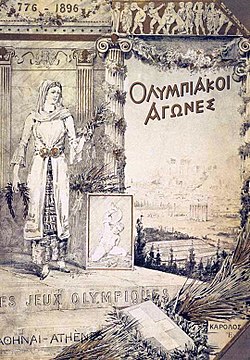
776 BC
The traditional date of the first recorded Olympic Games at Olympia marks a major milestone in the history of organized sport. Greek athletic festivals made physical skill a public, religious, and educational ideal.
Image source: Ancient Olympic Games

600 BC
The Greek gymnasium developed as an institution for exercise, athletic training, education, and civic life. Young men practiced running, wrestling, boxing, discus, and javelin while receiving instruction in areas that Greeks associated with balanced bodily and intellectual development.
Image source: Gymnasium (ancient Greece)

600 BC
Sparta organized the agoge, a state-controlled education system emphasizing endurance, combat skills, discipline, and communal loyalty. Physical training began in childhood and was intended to produce resilient citizens and soldiers.
Image source: Agoge

380 BC
In works including The Republic and Laws, Plato argued that musical and physical education should be integrated. He regarded exercise as essential to character formation, civic preparation, and the balanced development of body and mind.
Image source: Plato

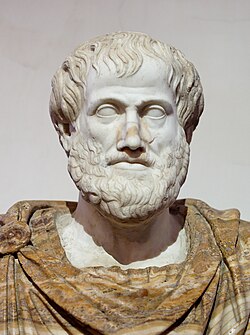
350 BC
Aristotle examined gymnastics, diet, and physical development in relation to age, health, and citizenship. His writing helped establish the idea that exercise should be adapted to human development rather than applied identically to everyone.
Image source: Aristotle
200 BC - 400 AD
Roman education and military life emphasized marching, swimming, weapons practice, wrestling, riding, and endurance. Public baths and exercise spaces also made physical activity a prominent part of urban culture.
900 - 1500
Medieval European aristocratic education included riding, hunting, archery, wrestling, swordsmanship, and tournament practice. Although not a universal school subject, this training preserved a formal tradition of physical preparation for warfare and courtly life.
Image source: Knight

This History of Physical Education timeline was generated with the help of AI, using information found on the internet.
We work hard to keep these timelines accurate, but mistakes do get through. If you spot one, email us at [email protected] and we'll fix it for future visitors.
Generate yours with AI or build it from scratch, for free.