-
Use Cases
-
Resources
-
Pricing
3766 BCE - 3647 BCE
Evidence of Early Neolithic salt pans dating from 3766–3647 BCE was discovered in Yorkshire, demonstrating the antiquity of organized salt production in Britain.
Image source: History of salt
2700 BCE
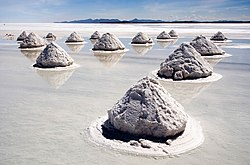
Around 2700 BCE, China produced the earliest systematic exposition of the different kinds of salts, their uses, and methods of extraction.
1400 BCE
Salt production dating to around 1400 BCE was identified in Somerset, providing evidence of early British salt-working traditions.
800 BCE
Iron Age salt production in Hampshire formed part of the long development of salt-working industries in Britain.
500 BCE
The ancient Greeks continued established traditions concerning salt, including its uses and importance in daily life.
1753
In 1753, English author and physician Richard Russell published The Uses of Sea Water, declaring salt a defense against bodily corruption and an important contributor to cures.
43
Roman rock salt production in Cheshire illustrates the continuation and expansion of British salt extraction under Roman rule.
221 BCE - 1900
Monopolies over salt production and trade became essential aspects of government revenue in imperial China and retained their significance until the 20th century.
100 - 1900
In Ethiopia, blocks of salt called amoleh were carved from the salt pans of the Afar Depression, especially around Lake Afrera, and transported by camel to the highlands for distribution.
100 - 900
During and likely before the Axumite period, Ethiopian salt workers produced amoleh blocks from the Afar salt pans.
This History of Salt timeline was generated with the help of AI, using information found on the internet.
We work hard to keep these timelines accurate, but mistakes do get through. If you spot one, email us at [email protected] and we'll fix it for future visitors.
Generate yours with AI or build it from scratch, for free.