-
Use Cases
-
Resources
-
Pricing
The history of Trinidad and Tobago traces the development of the twin-island Caribbean nation, beginning with Amerindian peoples such as the Arawak and Carib, followed by Spanish colonization in 1498 and British rule from 1797. The islands' sugar and cocoa plantation economies brought African slaves and later Indian indentured laborers, creating a diverse multicultural society. Trinidad and Tobago gained independence from Britain in 1962 and became a republic in 1976. More Less
Jul 31, 1498
% complete
On his third voyage, Christopher Columbus became the first European to sight the island of Trinidad, naming it after the Holy Trinity. He also observed the nearby coast of South America, marking the beginning of European involvement with the islands.
Image source: Christopher Columbus
1592
% complete
Antonio de Berrio founded San José de Oruña (near present-day St Joseph), making it the first permanent Spanish settlement in Trinidad and the island's colonial capital for over two centuries.
Image source: Port of Spain
Nov 4, 1783
% complete
The Spanish Crown issued the Cedula of Population, offering free land to Roman Catholic French colonists and their enslaved Africans from other Caribbean colonies. This transformed Trinidad's demography and economy, dramatically increasing its population.
Apr 15, 1793
% complete
During the wars following the French Revolution, British forces seized Tobago, which had changed hands among Dutch, French, Couronian and English powers since the seventeenth century before becoming a British colony.
Image source: History of Tobago
Feb 17, 1797
% complete
A British expedition under General Ralph Abercromby defeated Spanish forces at the Battle of Chacabuco Hill near Port of Spain, and Trinidad was formally ceded to Britain under the Treaty of Amiens in 1802.
Image source: History of Trinidad and Tobago
Jan 1, 1808
% complete
The British Parliament's abolition of the transatlantic slave trade ended the legal importation of enslaved Africans into Trinidad and Tobago, though slavery itself persisted for another generation.
Image source: Slave Trade Act 1807
Aug 1, 1834 - Aug 1, 1838
% complete
Enslaved Africans in Trinidad and Tobago gained full freedom following the Slavery Abolition Act of 1833, with a period of 'apprenticeship' ending on August 1, 1838. August 1 remains celebrated today as Emancipation Day.
Image source: Slavery Abolition Act 1833
May 30, 1845 - 1917
% complete
The ship Fatel Razack brought the first East Indian indentured workers to Trinidad, beginning a system that would bring over 140,000 Indians to work on sugar plantations until indentureship ended in 1917. Their descendants profoundly shaped the nation's culture.
Image source: Trinidad and Tobago
1850
% complete
Commercial exploitation began of the La Brea Pitch Lake, one of the world's largest natural asphalt deposits. Its asphalt paved streets worldwide and laid the foundation for Trinidad's petroleum industry.
Image source: Pitch Lake
1876
% complete
After economic decline following the collapse of its plantation economy, Tobago was made a crown colony and administered as part of the Windward Islands group, losing much of its separate political identity.
Image source: Tobago
1889
% complete
Tobago was administratively joined to Trinidad as a ward of the larger colony, creating the unified entity of Trinidad and Tobago under British rule, an association formalized fully in 1899.
Image source: History of Trinidad and Tobago
Mar 23, 1903
% complete
Public anger over a new water ordinance that restricted access to water while favoring businesses erupted into rioting at the Red House, where fire destroyed government records and several protesters were killed, highlighting growing popular discontent with colonial rule.
Image source: Port of Spain
1908
% complete
Commercial oil production commenced in southern Trinidad, transforming the economy. By World War I Trinidad had become one of the world's significant oil producers, diversifying away from dependence on cocoa and sugar.
Jun 19, 1937
% complete
Led by Tubal Uriah Butler, oilfield workers staged strikes and protests across southern Trinidad demanding better wages and conditions. The violent crackdown killed several workers but spurred major labor and constitutional reforms.
Image source: Tubal Uriah Butler
Sep 2, 1940
% complete
Under the Destroyers-for-Bases agreement between Britain and the United States, America leased sites in Trinidad including Waller Field and Chaguaramas, bringing American troops and cultural influences that reshaped island society during the war years.
Image source: Destroyers-for-bases deal
1946
% complete
Constitutional reforms gave all adults in Trinidad and Tobago the right to vote regardless of income or property, laying the democratic groundwork for self-government and eventual independence.
Jan 24, 1956
% complete
Historian Eric Williams, known as the 'Father of the Nation,' founded the People's National Movement, which won the general elections later that year and led Trinidad and Tobago through independence.
Jan 3, 1958 - May 31, 1962
% complete
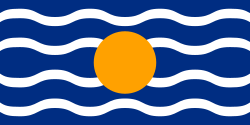
Trinidad and Tobago joined ten British Caribbean territories in the short-lived West Indies Federation, with Port of Spain designated the federal capital, until disagreements over taxation and leadership led to Jamaica's withdrawal and the Federation's collapse.
Image source: West Indies Federation
Aug 31, 1962
% complete
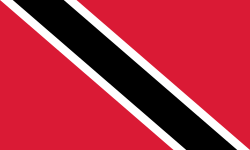
Trinidad and Tobago became an independent nation within the Commonwealth, with Eric Williams as its first Prime Minister. The national flag was raised for the first time and the anthem 'Forged From the Love of Liberty' adopted.
Image source: Trinidad and Tobago
Feb 26, 1970 - Apr 21, 1970
% complete
Inspired by the global Black Power movement, students and workers marched against racial inequality and unemployment. The unrest culminated in an army mutiny that was suppressed, prompting social and economic reforms.
1973 - 1983
% complete
OPEC-driven surges in world oil prices generated enormous revenues for Trinidad and Tobago, funding ambitious infrastructure projects, industrialization, and expanded social services during what is remembered as the oil boom decade.
Image source: Economy of Trinidad and Tobago
Aug 1, 1976
% complete
Trinidad and Tobago severed its last constitutional ties with the British monarchy, becoming a republic with a President as head of state, while remaining a member of the Commonwealth.
Jul 27, 1990 - Jul 28, 1990
% complete
Members of the Jamaat al-Muslimeen group stormed Parliament and took Prime Minister A.N.R. Robinson and government ministers hostage, holding them for six days. The coup attempt failed after violence left dozens dead and widespread looting in Port of Spain.
Image source: Jamaat al Muslimeen coup attempt
Nov 9, 1995
% complete
The United National Congress under Basdeo Panday won the general election, making him the country's first prime minister of Indian descent, reflecting the nation's multicultural political landscape.
Image source: Basdeo Panday
May 26, 1999
% complete
Trinidad and Tobago hosted the 48th Miss Universe pageant at the Chaguaramas Heliport, showcasing the twin-island republic on the international stage and boosting tourism and national pride.
Image source: Miss Universe 1999
Apr 17, 2009 - Apr 19, 2009
% complete
The Fifth Summit of the Americas brought together leaders across the hemisphere, including U.S. President Barack Obama, to Port of Spain for discussions on economic crisis, energy security, and regional cooperation.
Image source: 5th Summit of the Americas
Nov 27, 2009 - Nov 29, 2009
% complete
Port of Spain hosted the Commonwealth Heads of Government Meeting, welcoming leaders including Queen Elizabeth II, and coincided with the Commonwealth Youth Forum, underscoring the country's diplomatic profile.
Image source: Commonwealth Heads of Government Meeting
May 26, 2010
% complete
Kamla Persad-Bissessar led the People's Partnership coalition to victory, becoming the first woman to serve as Prime Minister of Trinidad and Tobago.
Image source: Kamla Persad-Bissessar
Sep 9, 2015
% complete
Dr. Keith Rowley led the People's National Movement back to power in the general election of September 2015, beginning a tenure focused on managing declining oil and gas revenues and economic diversification efforts.
Image source: Keith Rowley
Or browse the full history timeline directory, with more than 2,000 topics.
This History of Trinidad and Tobago timeline was generated with the help of AI, using information found on the internet.
We work hard to keep these timelines accurate, but mistakes do get through. If you spot one, email us at [email protected] and we'll fix it for future visitors.
Generate yours with AI or build it from scratch, for free.
Export your timeline, add your own events, edit or remove AI-generated events, and much more
No credit card required.
Cancel anytime.
Cancel anytime.
You can create an unlimited number of timelines with up to 10 events on each one, customize how they look, export them to PDF, PNG, PowerPoint, CSV, and Excel, and share them with a link. Paid plans raise the event limit and add features like spreadsheet imports and collaborators.
Yes. You can cancel your subscription from your account page at any time, and you will not be charged again. Your subscription stays active for the rest of the period you already paid for.
Yes. We will email you a reminder before the annual renewal, and we will also email you a receipt.
Yes. You can email us within 15 days of any payment, and we will issue you a full refund.
Check out our pricing docs or send us an email anytime: [email protected].