-
Use Cases
-
Resources
-
Pricing
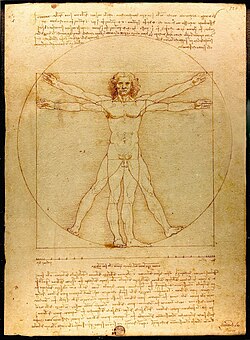
Humanism is an intellectual and philosophical movement that emerged during the Renaissance in 14th-century Italy, emphasizing the value of human beings, the study of classical Greek and Roman texts, individual potential, critical thinking, and reason. It transformed education, art, literature, and science, laying the groundwork for the Enlightenment and modern secular ethics. More Less
300 BCE
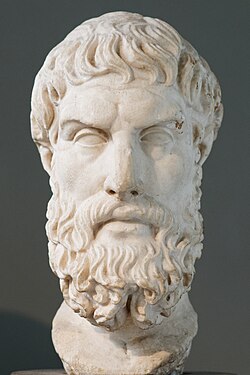
In the third century BCE, Epicurus developed an influential, human-centered philosophy that focused on achieving eudaimonia, laying early foundations for humanist thought in ancient Greece.
Image source: Epicurus
750 - 900
Arabic translations of Ancient Greek literature during the Abbasid Caliphate in the eighth and ninth centuries influenced Islamic philosophers, preserving and transmitting classical ideas that would later shape European humanism.
Image source: Transmission of the Greek Classics

1200
Renaissance humanism emerged in Italy with a renewed interest in literature and the arts occurring in 13th-century Italy, with Florence as a key center of activity.
Image source: Renaissance humanism
1300 - 1450
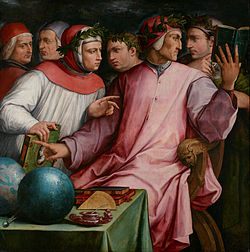
The term 'Renaissance humanism' was given to a tradition of cultural and educational reform engaged in by civic and ecclesiastical chancellors, book collectors, educators, and writers that developed during the 14th and early 15th centuries.
1390
At the end of the 14th century, humanists started using the phrase studia humanitatis to refer to a set of disciplines in which they specialized: rhetoric, grammar, poetry, history, and moral philosophy.
1400 - 1500
In the 15th century, humanist values spread from Italy across Europe, carrying renewed interest in classical literature, education, and the arts beyond the Italian peninsula.
1423
Vittorino da Feltre and Guarino Veronese created schools based on humanistic principles; their curriculum was widely adopted and by the 16th century, humanistic paideia was the dominant outlook of pre-university education.
Image source: Vittorino da Feltre

1490
By the end of the 15th century, the center of humanism had shifted from Italy to northern Europe, with Erasmus of Rotterdam being the leading humanist scholar of the era.
Image source: Erasmus

1400
The word 'humanism' reappeared during the Italian Renaissance as umanista, later entering the English language in the 16th century, specifically in 1589.
1480
By the late 15th century, these academics began to be referred to as umanisti (humanists), cementing the identity of scholars devoted to classical learning.
This Humanism timeline was generated with the help of AI, using information found on the internet.
We work hard to keep these timelines accurate, but mistakes do get through. If you spot one, email us at [email protected] and we'll fix it for future visitors.
Generate yours with AI or build it from scratch, for free.