-
Use Cases
-
Resources
-
Pricing
The Lost Generation refers to the cohort of writers and artists who came of age during World War I, characterized by disillusionment with traditional values. Centered largely in 1920s Paris, figures like Ernest Hemingway, F. Scott Fitzgerald, Gertrude Stein, and Ezra Pound produced landmark works that defined modernist literature and captured the era's sense of aimlessness and cultural upheaval. More Less
1800 - 1950
At around one in three in 1800, the early childhood mortality rate had declined overall throughout the next hundred years but would fall most sharply during the first half of the 20th century, reaching less than one in twenty by 1950.
Image source: Child mortality

1840 - 1900
Laws restricting child labour in factories had begun to appear from around 1840 onwards, and by the end of the 19th century compulsory education had been introduced throughout much of the Western world for at least a few years of childhood.
Image source: Compulsory education

1890 - 1900
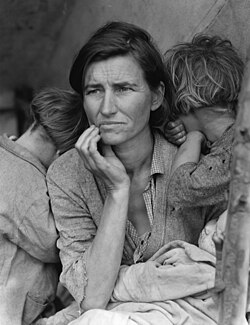
By the later 19th century, public concern for the welfare of children was intensifying, with laws being passed and societies formed to prevent their abuse, shaping the environment into which the Lost Generation was born.
Image source: Lost Generation

1890 - 1900
Sewer systems designed to remove human waste from urban areas had become widespread in industrial cities by the late 19th century, helping to reduce the spread of diseases such as cholera during the Lost Generation's childhood.
Image source: Sanitary sewer

1895 - 1900
It was not uncommon at the end of the 19th century for Canadian children to leave school at nine or ten years old, illustrating the limited formal education available to many members of the Lost Generation in their youth.
Image source: Education in Canada

1895 - 1900
Figures for the United Kingdom state that during the final years of the 19th century, mortality in the first five years of childhood was plateauing at a little under one in every four births.
1900 - 1910
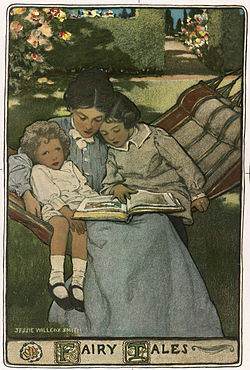
While elementary schooling was becoming increasingly accessible for Western children going into the 20th century, secondary education was still much more of a luxury for most families raising Lost Generation children.
Image source: Secondary education

1900 - 1910
Only 11% of American fourteen to seventeen-year-olds were enrolled in high school in 1900, a figure which had only marginally increased by 1910, showing how limited secondary education remained for the generation coming of age.
Image source: Secondary education in the United States

1900 - 1914
Though the school leaving age was officially meant to be 14 by 1900, until the First World War most British children could leave school through rules put in place by local authorities at 12 or 13 years old.
Image source: Education in England

1900
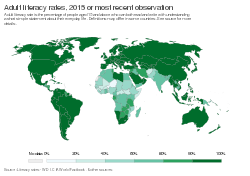
By 1900, levels of illiteracy had fallen to less than 11% in the United States, around 3% in Great Britain, and only 1% in Germany, reflecting expanding access to elementary schooling for Western children going into the 20th century.
Image source: Literacy
This Lost Generation timeline was generated with the help of AI, using information found on the internet.
We work hard to keep these timelines accurate, but mistakes do get through. If you spot one, email us at [email protected] and we'll fix it for future visitors.
Generate yours with AI or build it from scratch, for free.