-
Use Cases
-
Resources
-
Pricing
1750 - 1820
% complete
The Classical period emphasized balance, clarity, balanced phrases, and formal structures including the symphony, sonata, and string quartet. Joseph Haydn, Wolfgang Amadeus Mozart, and early Ludwig van Beethoven made these forms central to European concert music.
Image source: Classical period (music)
1815 - 1910
% complete
Romantic composers pursued emotional intensity, individual expression, literary subjects, expanded orchestras, and richer harmonic languages. The movement broadened the expressive possibilities of the symphony, art song, opera, and piano repertoire.
Image source: Romantic music
1896 - 1917
% complete
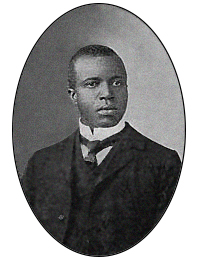
Ragtime combined syncopated melodies with a steady march-like accompaniment and became one of the first widely popular African American-derived styles in the United States. Scott Joplin's piano compositions helped define the genre and influenced early jazz.
Image source: Ragtime
1900 - 1930
% complete
Blues emerged from African American work songs, spirituals, field hollers, and other traditions in the American South. Its call-and-response patterns, blue notes, recurring harmonic forms, and personal storytelling became foundational to jazz, rhythm and blues, rock, and soul.
Image source: Blues
1900 - 1920
% complete
New Orleans became a crucial center for an ensemble-based music combining blues, ragtime, spirituals, brass-band traditions, and African rhythmic concepts. Collective improvisation and the prominence of cornet, clarinet, and trombone defined the emerging jazz sound.
1917
% complete
The Original Dixieland Jass Band's recording of Livery Stable Blues in 1917 is commonly identified as the first commercially released jazz record. Recording technology helped transform jazz from a regional performance practice into a nationally circulating genre.
1920 - 1935
% complete
During the Harlem Renaissance, jazz became a major artistic and social force in Black American cultural life. Clubs, theaters, radio, and recordings gave musicians such as Duke Ellington, Louis Armstrong, and Bessie Smith broader audiences and encouraged stylistic innovation.
Image source: Harlem Renaissance
1935 - 1946
% complete
Swing centered on large jazz bands, a strong rhythmic pulse, and arrangements designed for dancing. Bandleaders including Count Basie, Duke Ellington, and Benny Goodman popularized the style during the big-band era.
Image source: Swing music
1945 - 1955
% complete
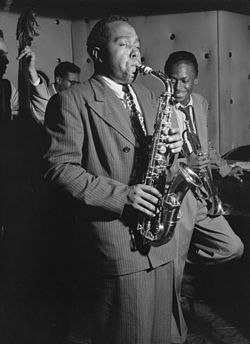
Bebop shifted jazz away from dance-oriented big-band arrangements toward fast tempos, intricate melodies, advanced harmonies, and extended improvisation. Charlie Parker, Dizzy Gillespie, Thelonious Monk, and their peers helped establish the modern jazz vocabulary.
Image source: Bebop
1947 - 1960
% complete
The term rhythm and blues came to describe postwar African American popular music combining blues, jazz, gospel, and energetic backbeats. Independent record labels, jukeboxes, and radio helped the style become a major precursor to rock and roll and soul.
Image source: Rhythm and blues
1957 - 1963
% complete
The Nashville sound modernized country music with smoother production, pop-influenced arrangements, backing vocal groups, and orchestral touches. It helped country artists reach broader markets while contributing to the later development of country-pop and contemporary country.
Image source: Nashville sound
1959 - 1970
% complete
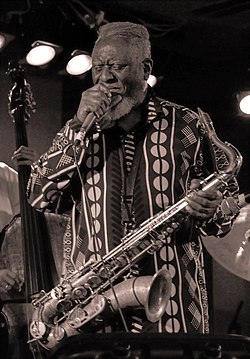
Free jazz rejected or loosened fixed chord progressions, regular meters, and conventional song structures in favor of collective improvisation and experimental sound. Ornette Coleman, Cecil Taylor, and John Coltrane were central figures in the movement.
Image source: Free jazz
1959 - 1972
% complete
Motown Records developed a polished form of soul built from gospel-influenced vocals, strong rhythm sections, memorable melodies, and tightly arranged productions. Artists such as The Supremes, Marvin Gaye, Stevie Wonder, and The Temptations made the sound internationally influential.
Image source: Motown
1970 - 1980
% complete
Funk placed syncopated bass and drum patterns, repeated grooves, and rhythmic interaction at the center of the composition. James Brown, Sly and the Family Stone, and Parliament-Funkadelic influenced disco, hip-hop, R&B, and electronic dance music.
Image source: Funk
1954 - 1959
% complete
Rock and roll fused rhythm and blues, country, gospel, and blues into a louder, guitar-centered popular style. Recordings by Chuck Berry, Little Richard, Fats Domino, and Elvis Presley brought its driving rhythm and youth-oriented performance style to mass audiences.
Image source: Rock and roll
1964 - 1966
% complete
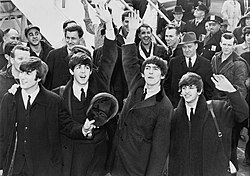
British groups led by The Beatles and The Rolling Stones achieved major success in the United States and worldwide. Their recordings and fashion helped redefine rock performance, songwriting, studio production, and the relationship between youth culture and popular music.
Image source: British Invasion
1966 - 1972
% complete
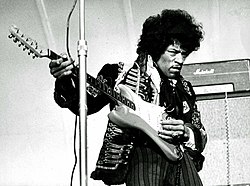
Psychedelic rock used distortion, extended improvisation, unusual song structures, non-Western influences, and studio effects to evoke altered states of consciousness. The genre influenced progressive rock, electronic music, heavy metal, and experimental pop.
Image source: Psychedelic rock
1969 - 1976
% complete
Progressive rock expanded the scale and complexity of rock through long compositions, conceptual albums, changing meters, virtuosic performances, and elements of classical and jazz music. Bands such as King Crimson, Yes, Genesis, and Pink Floyd made the album a major artistic format.
Image source: Progressive rock
1970 - 1980
% complete
Heavy metal intensified rock's volume, distortion, riff-based writing, and dramatic performance style. Black Sabbath, Deep Purple, and Led Zeppelin helped establish the genre, which later diversified into numerous subgenres.
1974 - 1979
% complete
Disco combined funk, soul, Latin rhythms, orchestral arrangements, steady four-on-the-floor beats, and club-oriented production. Its DJ culture, extended mixes, and emphasis on dance environments influenced house, techno, pop production, and club music.
Image source: Disco
1976 - 1980
% complete
Punk rock favored short songs, aggressive tempos, simple chord structures, direct lyrics, and a do-it-yourself attitude. The Ramones, Sex Pistols, The Clash, and other groups challenged the commercial and technical conventions of mainstream rock.
Image source: Punk rock
1978 - 1988
% complete
Affordable synthesizers, drum machines, sequencers, and multitrack production enabled new dance-oriented genres. The development of house and techno in Chicago and Detroit connected disco's club infrastructure with electronic experimentation.
Image source: Electronic dance music
1978 - 1985
% complete
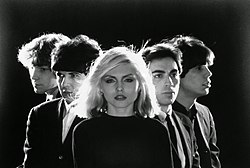
New wave combined punk's energy with synthesizers, drum machines, art-school experimentation, and polished pop songwriting. Artists including Talking Heads, Blondie, Depeche Mode, and Duran Duran helped electronic instruments enter mainstream rock and pop.
Image source: New wave music
Aug 1, 1981
% complete
MTV launched in the United States in 1981 and made the music video a major promotional and artistic medium. Its visual programming changed how artists were marketed, encouraged image-driven genres, and accelerated the international circulation of pop, rock, and hip-hop.
Image source: MTV
1984 - 1990
% complete
House music grew from Chicago clubs and DJ culture, using four-on-the-floor rhythms, drum machines, sampled vocals, and repetitive harmonic grooves. It spread through independent labels, dance clubs, and European scenes, becoming a foundation of global electronic music.
1985 - 1992
% complete
Detroit techno combined futuristic electronic sounds with funk, electro, European synthesizer music, and machine-driven rhythms. Juan Atkins, Derrick May, and Kevin Saunderson helped define a genre that became central to later rave and electronic dance cultures.
Image source: Techno
1988 - 1994
% complete
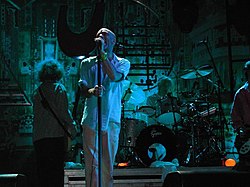
Alternative rock moved from independent scenes into the mainstream through college radio, independent labels, and changing audience tastes. Its broad umbrella included college rock, noise rock, post-punk, and grunge, with bands such as R.E.M., Nirvana, and Radiohead gaining major influence.
Image source: Alternative rock
1991 - 1994
% complete
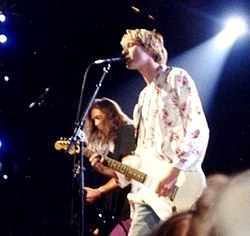
Grunge combined punk aggression, heavy-metal guitar textures, and introspective songwriting. Seattle bands including Nirvana, Pearl Jam, Soundgarden, and Alice in Chains brought the style to global prominence and displaced much of the polished hard rock of the 1980s.
Image source: Grunge
1993 - 1997
% complete
Britpop emphasized melodic guitar songwriting and a distinctly British cultural identity while drawing on earlier pop and rock traditions. Blur, Oasis, Pulp, and Suede became leading representatives of the movement and its highly publicized rivalry.
Image source: Britpop
2001 - 2012
% complete
Dubstep emerged in South London from UK garage, dub, jungle, and bass-heavy club music. Its spacious arrangements, syncopated rhythms, and emphasis on sub-bass later developed into more aggressive festival styles that reached mainstream audiences.
1968 - 1980
% complete
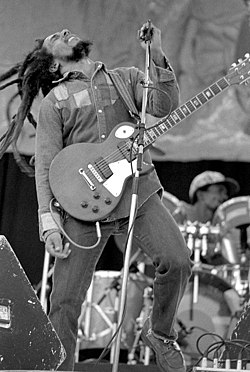
Reggae developed in Jamaica from ska and rocksteady, emphasizing offbeat guitar or keyboard accents, deep bass lines, and socially conscious or spiritual lyrics. Bob Marley and other artists carried the genre from the Caribbean into global popular culture.
Image source: Reggae
1970 - 1980
% complete
Salsa emerged as a commercially prominent form of Afro-Cuban and Caribbean dance music shaped in New York and Latin America. Its layered percussion, call-and-response vocals, brass arrangements, and son-based rhythms gave it broad international reach.
Image source: Salsa music
1973 - 1982
% complete
Hip-hop developed through DJing, breakbeats, rapping, graffiti, and breakdancing in Bronx communities. DJs such as Kool Herc pioneered breakbeat-based parties, while MCs developed rhythmic spoken delivery that became rap music.
1988 - 1995
% complete
Gangsta rap brought detailed, often confrontational accounts of urban life, policing, poverty, violence, and street economies into popular debate. Artists such as N.W.A., Ice-T, Dr. Dre, and later Tupac Shakur and The Notorious B.I.G. helped make regional rap a national force.
1997 - 2010
% complete
Antares Audio Technologies introduced Auto-Tune in 1997, initially as pitch-correction software. Producers soon used its conspicuous effects creatively, helping shape late-1990s and 2000s pop, R&B, hip-hop, and electronic vocal aesthetics.
Image source: Auto-Tune
1999 - 2007
% complete
The launch of Napster in 1999 made peer-to-peer digital file sharing a defining force in the music industry. Although legal disputes led to its shutdown as a major service, the episode accelerated the decline of physical formats and the transition toward digital distribution.
Image source: Napster
2000 - 2018
% complete
Reggaeton developed from Jamaican reggae and dancehall, Panamanian reggae en español, hip-hop, and Puerto Rican musical culture. Its dembow rhythm became increasingly prominent in international pop and Latin music during the 2000s and 2010s.
Image source: Reggaeton
2008 - 2020
% complete
Subscription and ad-supported platforms such as Spotify, Apple Music, and YouTube changed how listeners discovered, accessed, and paid for music. Streaming reduced the centrality of albums and physical ownership while enabling global distribution and data-driven promotion.
Image source: Music streaming service
2010 - 2020
% complete
Trap developed from Southern hip-hop through booming 808 bass, rapid hi-hat patterns, ominous synthesizers, and highly rhythmic vocal delivery. During the 2010s its production style spread across rap, pop, R&B, Latin music, and electronic music.
Image source: Trap music
2012 - 2020
% complete
South Korean pop expanded internationally through highly coordinated performance, genre-blending production, music videos, social media, and dedicated fan communities. Groups including BTS and BLACKPINK helped make Korean-language releases significant fixtures of the global pop market.
Image source: K-pop
2015 - 2020
% complete
Bedroom pop describes intimate, often self-produced music made with affordable recording technology and distributed through online platforms. Its lo-fi textures, personal lyrics, and direct artist-to-listener circulation challenged traditional barriers between amateur production and commercial success.
Or browse the full history timeline directory, with more than 2,000 topics.
This Evolution of Music Genres timeline was generated with the help of AI, using information found on the internet.
We work hard to keep these timelines accurate, but mistakes do get through. If you spot one, email us at [email protected] and we'll fix it for future visitors.
Generate yours with AI or build it from scratch, for free.
Export your timeline, add your own events, edit or remove AI-generated events, and much more
No credit card required.
Cancel anytime.
Cancel anytime.
You can create an unlimited number of timelines with up to 10 events on each one, customize how they look, export them to PDF, PNG, PowerPoint, CSV, and Excel, and share them with a link. Paid plans raise the event limit and add features like spreadsheet imports and collaborators.
Yes. You can cancel your subscription from your account page at any time, and you will not be charged again. Your subscription stays active for the rest of the period you already paid for.
Yes. We will email you a reminder before the annual renewal, and we will also email you a receipt.
Yes. You can email us within 15 days of any payment, and we will issue you a full refund.
Check out our pricing docs or send us an email anytime: [email protected].