-
Use Cases
-
Resources
-
Pricing
Greek Theater emerged in ancient Greece around the 6th century BCE as a form of performance honoring the god Dionysus. It evolved into a sophisticated art form featuring tragedy and comedy, with legendary playwrights like Aeschylus, Sophocles, Euripides, and Aristophanes shaping drama in open-air amphitheaters such as the Theater of Dionysus in Athens. More Less
1500 BC
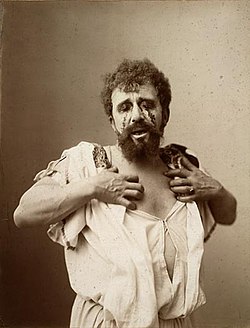
The worship of Dionysus, god of wine and fertility, involved ecstatic rituals, choral songs (dithyrambs), and processions. These religious celebrations are widely considered the seed from which Greek drama later grew, as performers began to impersonate mythological figures.
Image source: Dionysia

700 BC
Dithyrambs, hymns sung and danced by a chorus of fifty men in honor of Dionysus, became formalized competitive performances at festivals. The dithyramb is regarded as a direct precursor to tragedy, providing the choral structure that early playwrights expanded upon.
Image source: Dithyramb

534 BC
Thespis of Icaria is traditionally credited with stepping out of the chorus to become the first actor, delivering lines as a character rather than narrating them. He reportedly won the first competition for tragedy at the City Dionysia, giving rise to the term 'thespian' for actors.
Image source: Thespis

534 BC
Under the tyrant Peisistratus, Athens established the Great Dionysia, an annual spring festival featuring dramatic competitions. It became the premier venue for new tragedies and comedies, drawing citizens and foreign visitors and cementing theater's civic importance.
500 BC
Pratinas of Phlius is credited with developing the satyr play, a bawdy, comic performance featuring choruses of half-man, half-goat satyrs. These were staged after trilogies of tragedies to lighten the mood, becoming a standard part of dramatic competitions.
Image source: Satyr play

471 BC
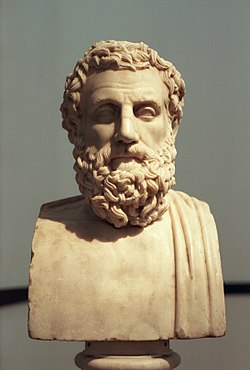
Aeschylus introduced a second actor, allowing genuine dialogue and dramatic conflict between characters rather than only exchanges between actor and chorus. His innovations transformed tragedy into true drama; his 'Oresteia' trilogy remains a cornerstone of Western literature.
Image source: Aeschylus
468 BC
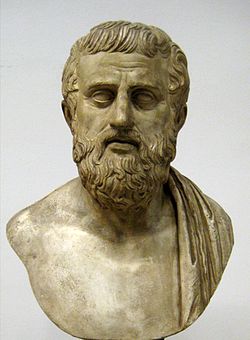
Sophocles defeated Aeschylus at the Dionysia around this time and added a third actor, enabling more complex plots and character interactions. He also increased the chorus size and refined scene painting, shaping classical tragedy into its mature form.
Image source: Sophocles
458 BC
The Oresteia, comprising Agamemnon, The Libation Bearers, and The Eumenides, won the tragic competition at the City Dionysia. It is the only surviving complete Greek tragic trilogy, exploring themes of justice, vengeance, and the transition from blood feud to civic law.
Image source: Oresteia

441 BC
Antigone dramatizes the conflict between divine law and state authority through its heroine's defiance of King Creon. Its exploration of moral duty versus political power made it one of the most influential tragedies ever written, still performed worldwide today.
Image source: Antigone (Sophocles play)

431 BC
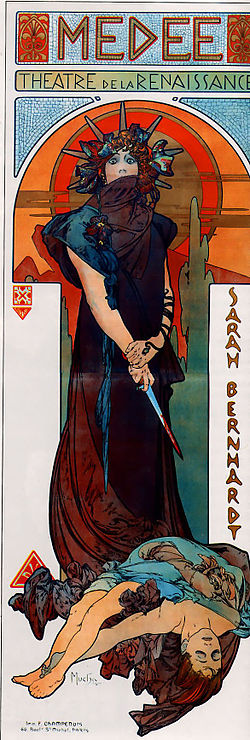
Euripides's Medea shocked audiences with its portrayal of a foreign woman who murders her own children in revenge against her husband Jason. Euripides's psychological realism and sympathetic treatment of marginalized figures marked a radical departure from tradition.
Image source: Medea (play)
This Greek Theater timeline was generated with the help of AI, using information found on the internet.
We work hard to keep these timelines accurate, but mistakes do get through. If you spot one, email us at [email protected] and we'll fix it for future visitors.
Generate yours with AI or build it from scratch, for free.