-
Use Cases
-
Resources
-
Pricing
The history of cancer treatment spans thousands of years, evolving from ancient surgical practices and early radiation therapy to modern breakthroughs like chemotherapy, immunotherapy, hormone therapy, and precision-targeted treatments that have dramatically improved survival rates. More Less
Build a timeline like this one in minutes, for free. Start Yours →
Part of our collection of science timelines.
1891
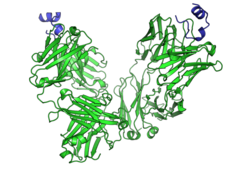
In 1891, an American doctor began pioneering work that would lay groundwork for the use of radiation in medicine, preceding the discovery of X-rays and the birth of radiation therapy for cancer.
Image source: Radiation therapy

1896
Following Wilhelm Röntgen's discovery of X-rays in 1895, American physicians in 1896 began experimenting with the new rays to treat cancerous lesions, marking the beginning of radiation oncology.
Image source: History of radiation therapy

1900
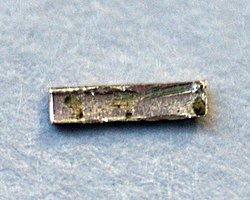
In 1900, a Swedish doctor advanced the medical application of radium, helping establish radium therapy as a mainstay of cancer treatment in the early twentieth century.
Image source: Radium
1896
Sir George Thomas Beatson invented hormonal treatment of breast cancer by performing bilateral ovary removal in women with inoperable breast cancer, founding the field of endocrine therapy for cancer.
Image source: George Beatson

1956
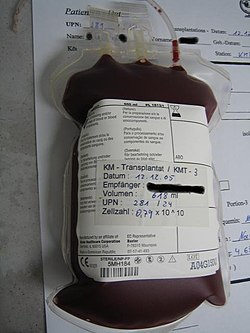
In 1956, E. Donnall Thomas performed the first bone marrow transplantation, demonstrating that donor marrow could restore blood-forming tissue after otherwise lethal treatment, opening the door to transplants for leukemia and other cancers.
Image source: Hematopoietic stem cell transplantation
1939
In 1939, an American doctor contributed to early chemical approaches against cancer, work that anticipated the modern era of chemotherapy that would follow World War II.
Image source: Chemotherapy

1947
In 1947, an American doctor administered aminopterin, an antifolate compound, to children with acute leukemia, achieving the first remissions and launching modern chemotherapy.
1962
In 1962, the US FDA disapproved of a doctor's unproven cancer treatment, highlighting the growing regulatory oversight of cancer therapies and the importance of evidence-based medicine.
Image source: Food and Drug Administration

1967
Camptothecin, an anti-cancer compound, was isolated from Camptotheca acuminata, the Chinese Happy Tree, which had been used as a cancer treatment in traditional Chinese medicine; it became the basis for topoisomerase inhibitor drugs.
Image source: Camptothecin

1968
In 1968, a Japanese doctor made significant contributions to the discovery of anticancer agents, expanding the international search for effective chemotherapeutic compounds.
Image source: Cancer research

Build a timeline like this one in minutes, for free. Start Yours →
This History of Cancer Treatment timeline was generated with the help of AI, using information found on the internet.
We work hard to keep these timelines accurate, but mistakes do get through. If you spot one, email us at [email protected] and we'll fix it for future visitors.
Generate yours with AI or build it from scratch, for free.