-
Use Cases
-
Resources
-
Pricing
960 CE - 1279 CE
During the Song dynasty, porcelain artistry and production reached new heights, establishing important standards for later Chinese ceramic traditions.
1270 CE - 1299 CE
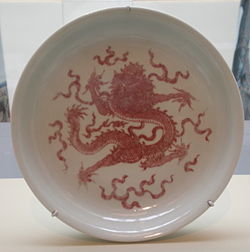
In the late 13th century, potters frequently used an inlay technique that expressed pigmented patterns by filling hollow parts of pottery with white and red clay.
Image source: Chinese ceramics

1290 CE - 1299 CE
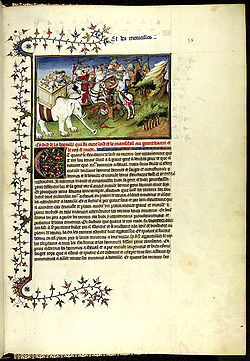
The first European mention of porcelain appears in Marco Polo's 13th-century work Il Milione.
Image source: The Travels of Marco Polo
1368 CE - 1644 CE
By the Ming dynasty, Chinese porcelain wares were being exported widely to both Asia and Europe.
1500 - 1599
Early in the 16th century, Portuguese traders returned home with kaolin samples discovered in China, where the mineral was understood to be essential for porcelain production.
1517
In 1517, Portuguese merchants began direct maritime trade with the Ming dynasty, helping connect Chinese porcelain production with European markets.
Image source: Ming dynasty

1592 - 1598
Japanese elites had long imported Chinese porcelain, but Japanese production began only after Korean potters were taken captive during the Japanese invasions of Korea and brought their skills to Japan.
1598 - 1900
Early Japanese porcelain resembled cheaper and cruder Chinese wares decorated with underglaze blue. The style continued in inexpensive everyday wares until the 20th century.
1598
Dutch merchants followed the Portuguese in 1598 and began direct maritime trade with the Ming dynasty.
Image source: Dutch East India Company

1600 - 1699
In some English-speaking countries, porcelain became known as china or fine china because it was first encountered through imports from China during the 17th century.
Image source: Porcelain

This History of Chinese Porcelain timeline was generated with the help of AI, using information found on the internet.
We work hard to keep these timelines accurate, but mistakes do get through. If you spot one, email us at [email protected] and we'll fix it for future visitors.
Generate yours with AI or build it from scratch, for free.