-
Use Cases
-
Resources
-
Pricing
The history of endangered species protection traces humanity's evolving efforts to safeguard plants and animals at risk of extinction. From the Lacey Act of 1900 to landmark legislation like the Endangered Species Act of 1973 and international agreements such as CITES, this timeline highlights key milestones in conservation law, science, and activism that have shaped wildlife protection worldwide. More Less
Jan 1, 1870 - Dec 31, 1889
% complete
Mass commercial hunting in the 1870s and 1880s reduced the American bison from tens of millions to just a few hundred animals, shocking the public and galvanizing early efforts to protect wildlife from overexploitation.
Image source: Bison hunting
Mar 1, 1872
% complete
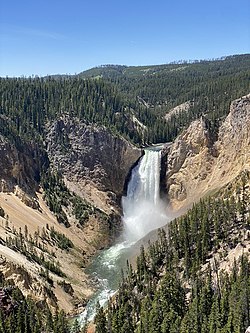
The establishment of Yellowstone as the world's first national park marked a landmark moment in conservation, preserving vast habitats for wildlife such as bison, elk, and wolves and inspiring the global national park movement.
Image source: Yellowstone National Park
Sep 1, 1914
% complete
The death of Martha, the last known passenger pigeon, at the Cincinnati Zoo on September 1, 1914, symbolized the devastating consequences of unchecked hunting and habitat loss, spurring stronger wildlife protection movements.
Image source: Passenger pigeon
Apr 15, 1925
% complete
Virunga National Park was established in the Belgian Congo primarily to protect mountain gorillas, becoming Africa's first national park and demonstrating that species-specific protection could drive large-scale habitat preservation.
Image source: Virunga National Park
Sep 7, 1936
% complete
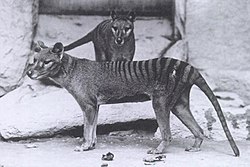
The death of the last known thylacine at Hobart Zoo underscored the failure of belated protection measures, as the species had been hunted to extinction with government bounties until just weeks before its final death.
Image source: Thylacine
Sep 27, 1962
% complete
Rachel Carson's Silent Spring exposed the dangers of pesticides like DDT to wildlife, particularly birds of prey, awakening public concern about environmental toxins and catalyzing the modern environmental movement.
Image source: Silent Spring
Apr 22, 1970
% complete
Millions of Americans participated in demonstrations on the first Earth Day, building political momentum for sweeping environmental legislation including the Clean Air Act, Clean Water Act, and strengthened endangered species protections.
Image source: Earth Day

May 25, 1900
% complete
The Lacey Act became the first federal law protecting wildlife in the United States, banning the illegal trade of illegally taken game animals and laying groundwork for later endangered species legislation.
Image source: Lacey Act of 1900
Jul 3, 1918
% complete
This pioneering treaty between the United States and Great Britain (on behalf of Canada) protected migratory birds across international borders, making it illegal to hunt or sell many bird species and setting a precedent for cross-border species protection.
Mar 16, 1934
% complete
The Migratory Bird Hunting Stamp Act required waterfowl hunters to purchase stamps whose proceeds funded wetland acquisition, creating one of the most successful conservation funding mechanisms in history.
Image source: Federal Duck Stamp
Sep 3, 1964
% complete
The Wilderness Act designated millions of acres of undeveloped federal land as wilderness areas, protecting critical habitat from development and providing enduring refuge for countless plant and animal species.
Image source: Wilderness Act
Oct 15, 1966
% complete
The Endangered Species Preservation Act authorized the US Secretary of the Interior to list native species as endangered and provided limited funds for their protection, marking America's first comprehensive attempt at federal endangered species law.
Image source: Endangered Species Act of 1973
Dec 5, 1969
% complete
This act expanded earlier legislation to protect species threatened with worldwide extinction and prohibited importing illegally obtained endangered animals, paving the way for the landmark 1973 Endangered Species Act.
Image source: Endangered Species Act of 1969
Oct 21, 1972
% complete
The Marine Mammal Protection Act prohibited the hunting, killing, and harassment of marine mammals such as whales, dolphins, seals, and sea otters in US waters, establishing a moratorium on their take regardless of population status.
Aug 28, 1973
% complete
Discovery of the tiny snail darter fish halted construction of the Tellico Dam in Tennessee under the new Endangered Species Act, sparking a famous legal battle that tested the law's strength and reached the Supreme Court in 1978.
Image source: Tellico Dam
Dec 28, 1973
% complete
Signed by President Nixon after passing Congress nearly unanimously, the Endangered Species Act provided comprehensive protection for imperiled plants and animals, prohibiting harm to listed species and requiring recovery plans and critical habitat designation.
Feb 1, 1964
% complete
The International Union for Conservation of Nature introduced its Red Data Book in 1964, creating the world's most comprehensive inventory of species at risk of extinction and providing a scientific foundation for conservation priorities worldwide.
Image source: IUCN Red List
Nov 16, 1972
% complete
The Convention Concerning the Protection of the World Cultural and Natural Heritage committed signatory nations to protecting sites of outstanding natural value, safeguarding critical habitats for endangered species across the globe.
Image source: World Heritage Convention
Mar 3, 1973
% complete
The Convention on International Trade in Endangered Species of Wild Fauna and Flora regulated international trade in thousands of plant and animal species, becoming one of the most powerful tools against wildlife trafficking.
Image source: CITES
May 20, 1980
% complete
CCAMLR established an ecosystem-based approach to managing Antarctic fisheries, protecting krill-dependent species including penguins and seals and creating a framework for marine protected areas around Antarctica.
Image source: Convention on the Conservation of Antarctic Marine Living Resources
Jul 23, 1982 - Jan 1, 1986
% complete
The IWC adopted a moratorium on commercial whaling that took effect in 1986, rescuing great whale populations decimated by centuries of hunting and remaining one of the most consequential wildlife protection decisions ever made.
Sep 16, 1987
% complete
The Montreal Protocol phased out ozone-depleting chemicals that harmed ecosystems and wildlife, demonstrating unprecedented international cooperation on an environmental threat and indirectly protecting UV-sensitive amphibians and plants.
Image source: Montreal Protocol
Jun 5, 1992
% complete
Opened at the Rio Earth Summit, the Convention on Biological Diversity established three goals: conserving biodiversity, sustainable use of its components, and equitable sharing of genetic resources, engaging nearly every nation on Earth.
Image source: Convention on Biological Diversity
Apr 1, 2012
% complete
The Intergovernmental Science-Policy Platform on Biodiversity and Ecosystem Services was founded to provide rigorous scientific assessments guiding global policy, later issuing stark warnings about accelerating extinction rates worldwide.
Image source: Intergovernmental Science-Policy Platform on Biodiversity and Ecosystem Services
Dec 31, 2017
% complete
China shut down its massive domestic ivory market, removing the largest demand center for elephant ivory and contributing to significant declines in poaching pressure on African elephants.
Image source: Ivory trade
Dec 19, 2020
% complete
Nations agreed at the Kunming-Montreal COP15 conference on a landmark framework committing countries to conserve 30 percent of Earth's land and seas by 2030, aiming to halt and reverse biodiversity loss and stem the sixth mass extinction.
Image source: Kunming-Montreal Global Biodiversity Framework
Apr 1, 1987
% complete
With only 27 individuals left, all wild California condors were captured for an emergency captive breeding program, a controversial intervention that successfully rebuilt the population through reintroduction efforts beginning in 1992.
Image source: California condor
Mar 24, 1989
% complete
The Exxon Valdez spilled roughly 11 million gallons of crude oil into Prince William Sound, killing hundreds of thousands of seabirds and marine mammals and prompting the Oil Pollution Act of 1990 to strengthen spill prevention and response.
Image source: Exxon Valdez oil spill
Jan 12, 1995
% complete
Gray wolves were released back into Yellowstone National Park after a 70-year absence, triggering trophic cascades that restored riparian vegetation and biodiversity and becoming an iconic example of successful species recovery.
Image source: History of wolves in Yellowstone
Aug 8, 2007
% complete
After recovering from just 417 nesting pairs in 1963 to more than 10,000, aided by the DDT ban and decades of ESA protections, the bald eagle was delisted, standing as the emblematic success story of endangered species law.
Image source: Bald eagle
Or browse the full history timeline directory, with more than 2,000 topics.
This History of Endangered Species Protection timeline was generated with the help of AI, using information found on the internet.
We work hard to keep these timelines accurate, but mistakes do get through. If you spot one, email us at [email protected] and we'll fix it for future visitors.
Generate yours with AI or build it from scratch, for free.
Export your timeline, add your own events, edit or remove AI-generated events, and much more
No credit card required.
Cancel anytime.
Cancel anytime.
You can create an unlimited number of timelines with up to 10 events on each one, customize how they look, export them to PDF, PNG, PowerPoint, CSV, and Excel, and share them with a link. Paid plans raise the event limit and add features like spreadsheet imports and collaborators.
Yes. You can cancel your subscription from your account page at any time, and you will not be charged again. Your subscription stays active for the rest of the period you already paid for.
Yes. We will email you a reminder before the annual renewal, and we will also email you a receipt.
Yes. You can email us within 15 days of any payment, and we will issue you a full refund.
Check out our pricing docs or send us an email anytime: [email protected].