-
Use Cases
-
Resources
-
Pricing
The history of Japanese cuisine (washoku) spans over two thousand years, evolving from ancient rice-based diets shaped by geography and seasonality. Influenced by Chinese culture, Buddhist vegetarian traditions, and later Western contact during the Meiji era, Japanese food developed distinctive techniques such as fermentation, umami-rich dashi broths, and meticulous presentation. Iconic dishes like sushi, tempura, ramen, and kaiseki haute cuisine reflect this evolution, and in 2013 UNESCO recognized traditional Japanese dietary culture as an Intangible Cultural Heritage of Humanity. More Less
300 BCE
% completado
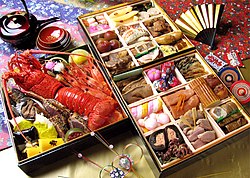
Rice cultivation was introduced to Japan by China around the third century BCE. This marked the beginning of rice farming in the Japanese archipelago, laying the foundation for rice to become the staple food of the Japanese diet and a central element of Japanese cuisine for millennia to come.
Image source: Japanese cuisine
250 CE - 538 CE
% completado
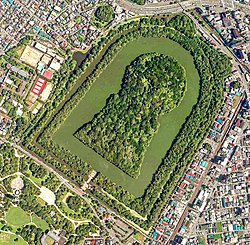
The Kofun period, spanning roughly the 3rd to 7th centuries, is shrouded in uncertainty with regard to Japan's early food culture. Limited written records from this era make it difficult for historians to reconstruct exactly what and how people ate during this formative time.
Image source: Kofun period
550 CE
% completado
After the 6th century, Japan directly pursued the imitation of Chinese culture, particularly that of the Tang dynasty (618 to 907). This cultural borrowing extended deeply into Japanese cuisine, influencing cooking techniques, ingredients, dining etiquette, and the ceremonial presentation of food at court.
850 CE - 900 CE
% completado
Upon the decline of the Tang dynasty in the 9th century, Japan made a decisive move toward individuality in its culture and cuisine. Freed from overwhelming foreign influence, Japan began developing distinctive native culinary traditions, techniques, and flavor profiles of its own.
Image source: Tang dynasty
900 CE - 1800 CE
% completado
Even after turning toward its own cultural identity, Japan continued trading with China and Korea. However, influence en masse from outside Japan would not be seen again until the 19th century, meaning Japanese cuisine evolved largely in isolation for nearly a thousand years.
Image source: History of Japan–Korea relations
794 CE - 1185 CE
% completado
The Heian Period in the 8th century saw many additional decrees made by emperors and empresses banning the killing of any animals. These edicts, influenced by Buddhist teachings, significantly shaped Japanese eating habits, encouraging a diet centered on rice, vegetables, and seafood rather than meat.
Image source: Heian period
800 CE - 900 CE
% completado
During the 8th and 9th centuries, metal spoons were used as eating utensils, but only by the nobility. For the vast majority of the population, such implements were inaccessible, highlighting the stark class distinctions in dining customs of early Japan.
850 CE
% completado
Pickled vegetables known as tsukemono were cured in salt to cause lactic fermentation after the 9th century. This preservation method allowed vegetables to be stored for long periods and produced the tangy, crunchy pickles that remain an essential accompaniment to Japanese meals.
Image source: Tsukemono
850 CE
% completado
Aemono dishes, consisting of vegetables, seaweed, or fish served in a strong dressing, were consumed after the 9th century. These boldly flavored dressed salads added variety and contrast to the Japanese meal, balancing milder simmered and steamed items.
Image source: Japanese cuisine
850 CE
% completado
Sliced raw fish served in a vinegar sauce, called namasu, was eaten after the 9th century. This dish represents an early ancestor of Japan's celebrated raw fish traditions and demonstrates the long history of combining fresh fish with acidic seasonings.
Image source: Namasu
850 CE
% completado
Jellied fish known as nikogori, simmered with seasonings, appeared among Japanese dishes after the 9th century. The natural gelatin from fish set into a delicate jelly, creating a unique textural experience characteristic of refined Japanese cuisine.
850 CE
% completado
After the 9th century, Japanese tables featured atsumono, hearty soups made from chopped vegetables, fish, or meat. These substantial soups provided warmth and nourishment and represented an important category of everyday Heian-era cooking.
850 CE
% completado
Steamed foods, known as mushimono, were consumed in Japan after the 9th century. Steaming preserved the texture and subtle taste of ingredients like fish and vegetables, becoming an important technique in traditional Japanese cuisine.
850 CE
% completado
Simmered foods called nimono were part of the Japanese diet after the 9th century. Ingredients were gently cooked in seasoned broth, allowing delicate flavors to develop, and nimono remains a beloved category of home-style Japanese cooking today.
Image source: Nimono
850 CE
% completado
Among the dishes consumed after the 9th century were grilled fish and meat, known as yakimono. Grilling over open flame became a fundamental Japanese cooking technique, prized for bringing out the natural flavors of fresh fish and other ingredients.
900 CE
% completado
The ban on eating meat originated in the 10th century AD. Rooted in Buddhist principles and reinforced by imperial decree, this prohibition profoundly influenced Japanese dietary habits, discouraging the consumption of animal flesh for centuries.
900 CE - 1100 CE
% completado
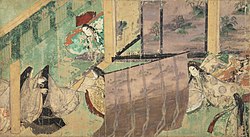
The 10th and 11th centuries marked a level of refinement of cooking and etiquette found in the culture of the Heian nobility. Elaborate formal meals, careful presentation, and codified manners became hallmarks of aristocratic dining during this sophisticated era.
794 CE - 1600 CE
% completado
Shintoism and Buddhism both contributed to the vegetarian diet of medieval Japan. Religious prohibitions on killing animals reinforced the meat ban, leading to a culinary tradition rich in plant-based dishes, tofu, grains, and vegetables throughout the medieval era.
Image source: Buddhist cuisine
1000 CE - 1900 CE
% completado
Despite the general ban on meat consumption, beef was eaten as medicine in both China and Japan as a special exemption before the 19th century. Consumed sparingly for perceived health benefits rather than pleasure, this loophole kept beef a rare presence on Japanese tables.
1192 CE
% completado
In time, the samurai co-opted their masters to usurp control of Japan's legal and political system, with a military dictatorship being established in 1192 in Kamakura. The rise of samurai rule shifted patronage in food culture from the imperial court to the warrior class, influencing the evolution of Japanese cuisine.
Image source: Kamakura shogunate
1585 CE
% completado
The book 'Comparison between European and Japanese Cultures' was written by Luís Fróis (1532–1597), a Jesuit Father, in 1585. His work documented striking differences between European and Japanese customs, including attitudes toward food, providing valuable insight into Japanese dietary life in the 16th century.
Image source: Luís Fróis
1700 CE - 1872 CE
% completado
In the 18th century, Japan started adopting meat-based diets from Europeans like the Dutch, who were notably taller than the Japanese. Exposure to Western traders and their eating habits gradually challenged centuries-old prohibitions on meat consumption.
Image source: Dog meat
1800 CE - 1899 CE
% completado
In the 19th century, animal milk such as cow milk was despised and abhorred, and meat eating continued to be avoided by many Japanese. Traditional attitudes rooted in Buddhist and Shinto beliefs persisted even as Japan began opening to the West.
Jan 24, 1872
% completado
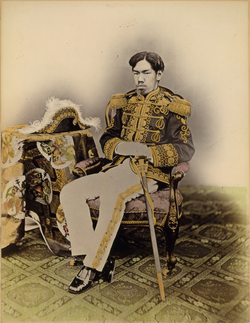
On January 24, 1872, the Meiji emperor ate meat in public, a landmark act that legitimized meat consumption in Japan. Following earlier adoption of European diets inspired by the tall Dutch, this symbolic gesture helped dismantle centuries of taboo and ushered in the modernization of the Japanese diet.
Image source: Meiji Restoration
Or browse the full history timeline directory, with more than 2,000 topics.
This History of Japanese Cuisine timeline was generated with the help of AI, using information found on the internet.
We work hard to keep these timelines accurate, but mistakes do get through. If you spot one, email us at [email protected] and we'll fix it for future visitors.
Generate yours with AI or build it from scratch, for free.
Export your timeline, add your own events, edit or remove AI-generated events, and much more
No credit card required.
Cancel anytime.
Cancel anytime.
You can create an unlimited number of timelines with up to 10 events on each one, customize how they look, export them to PDF, PNG, PowerPoint, CSV, and Excel, and share them with a link. Paid plans raise the event limit and add features like spreadsheet imports and collaborators.
Yes. You can cancel your subscription from your account page at any time, and you will not be charged again. Your subscription stays active for the rest of the period you already paid for.
Yes. We will email you a reminder before the annual renewal, and we will also email you a receipt.
Yes. You can email us within 15 days of any payment, and we will issue you a full refund.
Check out our pricing docs or send us an email anytime: [email protected].