-
Use Cases
-
Resources
-
Pricing
918 - 1392
Gache, large traditional hairpieces, were popular among women in Korea during the Goryeo dynasty. Their use continued until they were banned in the late eighteenth century.
1500
Wigs were revived in the sixteenth century as a way to compensate for hair loss or improve personal appearance.
Image source: Wig
1558 - 1603
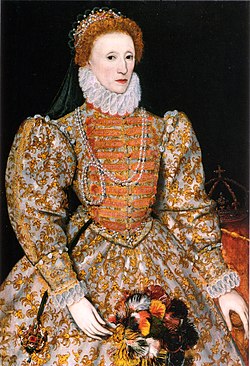
Queen Elizabeth I famously wore a tightly and elaborately curled red wig in a style described as Roman.
Image source: Elizabeth I
1624
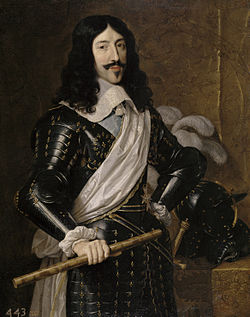
King Louis XIII helped pioneer male wig-wearing in 1624 after he began to bald prematurely.
Image source: Louis XIII
1660
Perukes, or periwigs, were introduced into the English-speaking world with French styles after Charles II was restored to the throne in 1660 following his exile in France.
1660 - 1715
Louis XIV strongly promoted wig-wearing. His influence helped spread the fashion across Europe and European-influenced countries during the 1660s.
Image source: Louis XIV
1700 - 1800
During the eighteenth century, men's wigs were powdered to produce their characteristic white or off-white appearance.
1730 - 1799
Eighteenth-century women generally did not wear full wigs. Instead, they used coiffures supplemented with artificial hair or hair obtained from other sources.
1730 - 1799
During the eighteenth century, men's wigs became smaller and more formal, and several professions adopted them as part of official costume.
1750 - 1789
Women at the French court of Versailles wore large, elaborate, and sometimes themed hairstyles and wigs, including the stereotypical boat-shaped poufs.
1761
The elaborate wigs worn at the coronation of George III in 1761 were satirized by William Hogarth in his engraving Five Orders of Periwigs.
1765
By 1765, wig-wearing had largely gone out of fashion except among some occupational groups, including coachmen and lawyers.
1770 - 1799
Powdered men's wigs and powdered natural hair with supplemental hairpieces for women remained essential for full-dress occasions until almost the end of the eighteenth century.
1789 - 1799
The large coiffures associated with Versailles became symbols of aristocratic decadence and rapidly fell out of fashion after the French Revolution began in 1789.
Image source: French Revolution
1790 - 1800
After 1790, wigs and powder were largely reserved for older, more conservative men and for ladies being presented at court.
1790
After 1790, English women seldom powdered their hair, marking a broader rejection of the older formal hairstyle.
1795
In 1795, British prime minister William Pitt the Younger introduced a tax of one guinea per year on hair powder.
1801 - 1831
Only four U.S. presidents from John Adams through James Monroe wore the old-fashioned curly powdered wig tied in a queue while in office. Thomas Jefferson wore one only rarely and stopped soon after becoming president.
1804
Formal court dress in European monarchies continued to require powdered wigs or long powdered hair tied in a queue until Napoleon became emperor in 1804.
Image source: Napoleon
1663
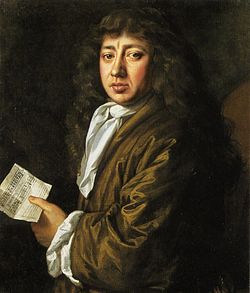
On March 27, 1663, Samuel Pepys recorded that a periwig supplied by his wigmaker was full of nits, illustrating the hygiene problems associated with wigs.
Image source: Samuel Pepys
1665
A wigmakers' guild was established in France in 1665, and similar professional organizations soon appeared elsewhere in Europe.
Sep 3, 1665
Samuel Pepys recorded shaving his head and trying on a new periwig on September 3, 1665. He was uneasy about wearing it because the plague was present in Westminster when he bought it.
1670 - 1700
Seventeenth-century wigs became extraordinarily elaborate, covering the back and shoulders and flowing down the chest. Their size made them heavy and often uncomfortable.
1680 - 1720
From the late seventeenth century, European military officers wore full-bottomed, natural-colored wigs that imitated contemporary civilian fashion while adapting it for military dress.
Image source: Military uniform
1700 - 1900
In the eighteenth and nineteenth centuries, wigmakers were commonly called perruquiers.
1700 - 1750
Eighteenth-century French wigmakers used an unusual technique of baking hair into dough to help it retain moisture.
1705
Taxes on the baking of hair dough were proposed in 1705, reflecting the regulation and economic importance of wigmaking practices.
1720 - 1790
As civilian wigs became shorter and powdered, military officers adopted similar styles. Later, false-hair pigtails were greased, powdered, placed in tubular queues, and tied with ribbons.
1720 - 1799
Wigmaking developed as a craft guild in multiple cities during the eighteenth century, formalizing the specialized labor behind fashionable wigs.
1789 - 1800
The French Revolution helped end wigs and powdered, greased hairstyles as standard features of modern Western military dress.
1801
In 1801, senior U.S. Army officer James Wilkinson ordered the removal of queues, which had been worn in the army since the Revolutionary War.
Image source: James Wilkinson
1823
Until 1823, bishops of the Church of England and Church of Ireland wore ceremonial wigs.
1850 - 2026
The wigs worn by barristers preserve the style favored in the late eighteenth century, even after wigs disappeared from everyday fashion.
Image source: Court dress
1800 - 1900
In some rural areas, people continued wearing wigs well into the nineteenth century, after the style had largely disappeared from fashionable urban dress.
1870 - 1920
During the late nineteenth and early twentieth centuries, English and French hairdressers supplied postiches, including small wiglets, curls, and false buns for incorporation into hairstyles.
1910 - 1920
The use of postiches continued even as women's hair became shorter between 1910 and 1920, but the fashion appears to have declined during the 1920s.
2000 - 2026
In the twenty-first century, the art and business of wigmaking grew into a billion-dollar industry, reflecting the continued commercial importance of wigs.
Jul 2007
In July 2007, judges in New South Wales, Australia, voted to discontinue wearing wigs in the state's Court of Appeal.
2011
Lawyers and judges in Ireland ceased wearing wigs in 2011.
Or browse the full history timeline directory, with more than 2,500 topics.
This History of Wigs timeline was generated with the help of AI, using information found on the internet.
We work hard to keep these timelines accurate, but mistakes do get through. If you spot one, email us at [email protected] and we'll fix it for future visitors.
Generate yours with AI or build it from scratch, for free.
Export your timeline, add your own events, edit or remove AI-generated events, and much more
No credit card required.
Cancel anytime.
Cancel anytime.
You can create an unlimited number of timelines with up to 10 events on each one, customize how they look, export them to PDF, PNG, PowerPoint, CSV, and Excel, and share them with a link. Paid plans raise the event limit and add features like spreadsheet imports and collaborators.
Yes. You can cancel your subscription from your account page at any time, and you will not be charged again. Your subscription stays active for the rest of the period you already paid for.
Yes. We will email you a reminder before the annual renewal, and we will also email you a receipt.
Yes. You can email us within 15 days of any payment, and we will issue you a full refund.
Check out our pricing docs or send us an email anytime: [email protected].